Hunting and Trapping Newsletter
The New York State Department of Environmental Conservation sent this bulletin on 05/27/2020 12:57 PM EDT |
| DEC Delivers - Information to keep you connected and informed from the NYS Department of Environmental Conservation |
| Share or view as a web page || Update preferences or unsubscribe |
Hunting and Trapping Newsletter |
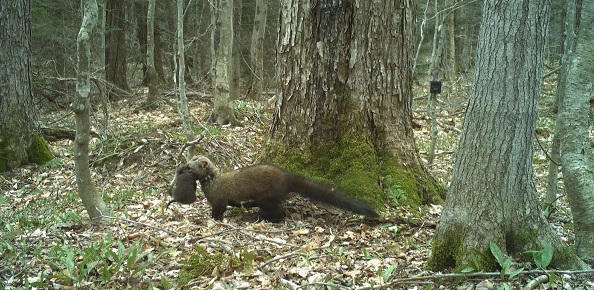
What Drives Changes in the Fisher Populations in the Northern Zone?DEC staff, in partnership with researchers from SUNY ESF, are conducting a study to better understand what drives changes in fisher populations in the Central Adirondacks specifically, and more widely across the Northern Zone. With the help of a number of trappers, fishers are live-captured during the winter and adult females fitted with GPS collars to locate and monitor dens and kit production. The combination of real-time GPS location data, as well as trail cameras deployed at maternal den sites, help estimate kit production and survival. Ultimately, DEC will use data on the reproductive potential of Northern Zone fisher populations and gain a better understanding of population dynamics to inform season setting and ensure sustainable harvest opportunities for this important furbearer resource. For more information on fisher and their management in New York, visit DEC’s website.
Proposed Trapping Season ChangesDEC is proposing changes to the current beaver, mink and muskrat trapping seasons. The proposed changes would expand beaver trapping opportunities in central and western New York and would align the start dates of mink and muskrat trapping seasons with beaver trapping seasons throughout the state. Specifically, this proposed rulemaking would modify 6 NYCRR Parts 6.1 and 6.2 to:
Modifying the season dates for these species will allow DEC to improve management of species like beaver and to better address our goal of meeting the public desire for sustainable use of these resources. With the number of nuisance beaver complaints received by DEC increasing steadily each year, particularly in central and western New York, the proposed changes will allow DEC to minimize the damage and other problems caused by beavers. In addition, the proposed changes will better align trapping seasons with preferred season dates as indicated by a survey of licensed trappers. To view the proposed rulemaking and/or provide comment, please visit DEC's website. DEC Announces 2020-2021 Waterfowl Hunting Season DatesWaterfowl News Due to a slow, but steady decline in mallards across the northeastern United States, the mallard daily bag limit remains two birds (one hen) per day. Please see the Declining Mallards in the Atlantic Flyway (PDF) brochure for more information. The Canada goose season length in the Northeast, West Central, East Central, Hudson Valley, and Lake Champlain zones remains 30 days with a limit of two per day. Please see the Status and Management of Atlantic Population Canada Geese (PDF) brochure for more information. The scaup bag limit will vary throughout the duck season this year. Due to declines in the scaup population, the bag limit will be one scaup per day for 40 days and two scaup per day for 20 days. DEC is considering the addition of veteran and active military hunting days. These would be two additional waterfowl hunting days outside of the regular seasons. Please look for future DEC Delivers newsletters on this topic, and check our website later this summer for more information. Youth Waterfowl Hunting Opportunities
During the youth hunt, the adult hunter may not possess a firearm or shoot any birds unless the respective regular season is open. Daily bag limits are the same as those allowed during the regular hunting season for all species (excludes September Canada goose bag limits). The youth hunts are held on weekends in each zone of the state, as follows:
Duck Hunting Season DatesEach year, DEC works with the United States Fish and Wildlife Service (USFWS) and the Atlantic Flyway Council to develop waterfowl hunting regulations and season dates. This year, DEC, with the assistance of Cornell University and the waterfowl hunter task forces, implemented a new process for selecting the 60-day duck season dates within the dates allowed by the USFWS. New York duck seasons offer opportunity to hunt from the first week of October through the last Sunday in January, depending on the waterfowl hunting zone. By having five waterfowl zones, it allows DEC to select dates that maximize duck abundance in each zone which varies based on habitat and latitude. Species: ducks, coots and mergansers Western Zone Northeast Zone Lake Champlain Southeast Long Island Canada Goose SeasonsCanada goose hunting regulations can often be confusing because of the number of zones, varied bag limits, and season lengths. Although some of the boundaries and bag limit differences appear to be random, they were designed using scientific data to maximize opportunity for resident Canada geese, but also to protect migratory populations that are much more sensitive to hunter harvest. Season lengths and bag limits are, again, developed in collaboration between the USFWS and the Atlantic Flyway Council. After the season frameworks are established (e.g., season length, bag limits, outside allowable dates), DEC gathers input from waterfowl hunters and the waterfowl hunter task forces to select dates that maximize opportunity for hunters in each zone.
Bag Limits for all Other SpeciesThere are no changes to season dates or bag limits for any of the other webless migratory game birds (rails, gallinules, snipe, and American woodcock). For more information and season dates for these species, please visit DEC's website.
|
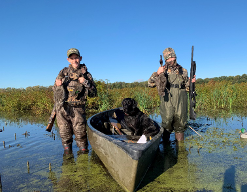 Duck hunting seasons begin with designated youth waterfowl hunts across the state. These hunts allow youth hunters to spend time afield with experienced adult hunters and gain necessary knowledge and skills to become safe and responsible members of the hunting community. Junior hunters (12 to 15 years of age) accompanied by a licensed adult hunter with up-to-date Harvest Information Program registration and a duck stamp may participate.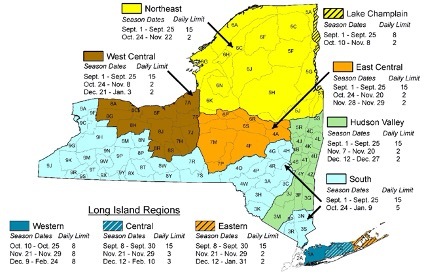
|
The New York State Department of Environmental Conservation respects your right to privacy and welcomes your feedback | Update preferences or unsubscribe | Learn more about DEC Delivers. |
|
Connect with DEC:     2020 Census: New York counts on you |
|
| Basil Seggos, Commissioner | |