Wildlife, Fish & Marine Life Newsletter
The New York State Department of Environmental Conservation sent this bulletin on 04/13/2020 03:28 PM EDT |
| DEC Delivers - Information to keep you connected and informed from the NYS Department of Environmental Conservation |
| Share or view as a web page || Update preferences or unsubscribe |
Wildlife, Fish, and Marine Life Newsletter |
April 17th is International Bat Appreciation Day
Some bat facts:
To view bats, check out your local park or forested area, especially near water and along trails. Even your own backyard can be a great place to view bats if you have trees near your home! Photo by Al Hicks. American Woodcock: The Harbingers of Spring
Getting outdoors and observing wildlife is a great way to stave off cabin fever in these tough times of social distancing. The coming weeks are also the perfect time to get outdoors and listen for the distinctive breeding calls and displays of the American woodcock. Visit the Cornell Lab of Ornithology website for audio recordings. Each spring, in an effort to attract a female, the male woodcock will periodically “peent” from the ground. Then he will fly 300-500 feet in the air and slowly fly in a circle while rubbing his outermost flight feathers together to make a “twinkling” sound. Once you’ve heard this distinctive calling display, you can’t miss it! The best time to hear woodcock is April through May during the final hour of light, often just after legal sunset. To improve your odds of finding these birds, look for old farm fields that are becoming overgrown or agricultural fields near dense cover. Finding places with less noise pollution will also greatly increase your odds of hearing woodcock – so skip the field with a babbling brook next to it. Online Hunter Education Course Available for NY Hunters
Now there is a new option for earning a hunter education certificate. For a limited time, first-time hunters in New York can complete the required hunter education course entirely online. The online course is available to anyone ages 11 and older and can be completed from a computer, tablet, or smart phone at any time. Students who complete the online course and virtual field day, and pass the final exam, will receive their hunter education certificate and can purchase a hunting license. Only those hunters ages 12 or older may purchase a license and head afield this spring. The cost of the course is $19.95. The online course will be available April 15 through June 30, 2020 on the Kalkomey website. |
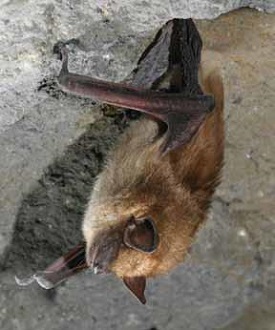 International Bat Day is a great time to appreciate New York’s nine bat species. When spring temperatures become warm enough, bats will leave their hibernation sites and may be seen flying in search of insects. Unfortunately, many species of bats, including
 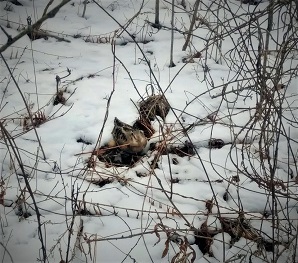 The arrival of American Woodcock back to New York is a telltale sign that spring is here to stay. Despite their diminutive size, woodcock are one of the earliest ground-nesting birds in the state. Just this week, DEC Biologist Jeremy Hurst found this female nesting in the snow on his property near Albany. If you’re curious where NY’s woodcock come from - DEC is currently part of a large cooperative research project to track both Fall and Spring migration of woodcock throughout their eastern range using tiny GPS transmitters. For weekly updates on their migration, please visit the
 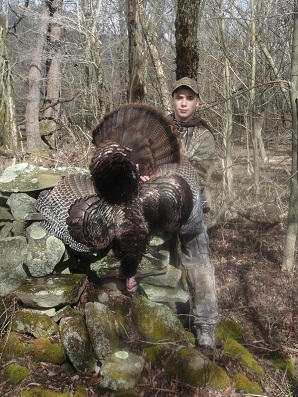 First-time hunters who want to hunt during New York’s turkey hunting seasons must first earn a hunter education certificate prior to purchasing their first hunting license. This applies to both the regular season, May 1-31, and the youth (ages 12-15) turkey hunting weekend April 25-26. Unfortunately, all traditional hunter education courses have been canceled due to the Covid-19 pandemic, leaving many new hunters unable to get a certificate before spring turkey season.
|
The New York State Department of Environmental Conservation respects your right to privacy and welcomes your feedback | Update preferences or unsubscribe | Learn more about DEC Delivers. |
|
Connect with DEC:    
|
|
| Basil Seggos, Commissioner | |