DEC Adirondack Outdoor Recreation Bulletin - March 12, 2020
The New York State Department of Environmental Conservation sent this bulletin on 03/12/2020 05:10 PM EDT |
| DEC Delivers - Information to keep you connected and informed from the NYS Department of Environmental Conservation |
| Share or view as a web page || Update preferences or unsubscribe |
DEC Adirondack Outdoor Recreation Bulletin
|
|
This bulletin provides only the most recent notices. Check the Adirondack Backcountry Information web pages for more detailed information on access, outdoor recreation infrastructure, and conditions. Emergency Situations: If you get lost or injured; keep calm and stay put. If you have cell service, call 911 or the DEC Forest Ranger Emergency Dispatch, 518-891-0235. Hike Smart by packing the proper gear. See our recommended packing list and safety tips. General Conditions
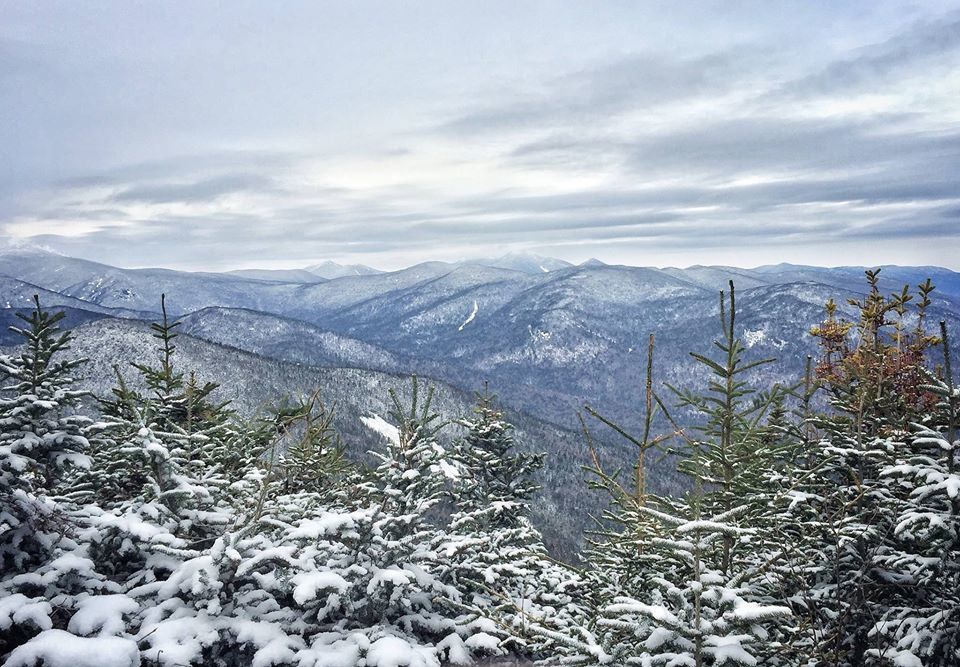
Hikers, Skiers, and Snowshoers
Snowmobilers
Recent NoticesNotices below reflect recent changes in conditions and recreation infrastructure work completed by DEC and its partners. Check the Adirondack Backcountry Information web pages for ongoing issues and more detailed information.
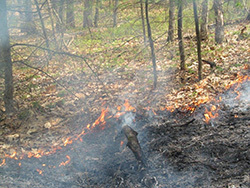
Highlighted Spot: Camp Santanoni Winter WeekendDon’t miss this year’s final Camp Santanoni Winter Weekend this weekend, March 14 and 15, in Newcomb. One of three Winter Weekends held annually at the historic Adirondack Great Camp, this event is an excellent opportunity to immerse yourself in nature and enjoy some final winter recreation before spring arrives. The event’s main attraction is a 9.8-mile round trip cross-country ski or snowshoe excursion that begins at Camp Santanoni’s Gate Lodge complex and extends to the remote lakeside Main Lodge complex. The trip requires moderate physical activity. SUNY ESF’s Adirondack Interpretive Center (AIC) will provide snowshoes at the Gate Lodge for any visitors without their own, and participants will have the opportunity to take tours of the Gate Lodge and Main Lodge with Adirondack Architectural Heritage staff. The weather this weekend is forecast to be partly sunny and in the low 30s on Saturday, and sunny and in the high 20s on Sunday. It is great weather for enjoying outdoor winter activities. Camp Santanoni Winter Weekends are open to all visitors at no cost. No reservations required. Find information about the camp at DEC's Camp Santanoni website. Santanoni is listed on the National Register of Historic Places. It is a National Historic Landmark. Location: Great Camp Santanoni is located on Newcomb Lake Rd off State Route 28N in Newcomb, NY. Parking is available across from the Gate Lodge Complex. (N 43.58’17.9°; W 74.09’49.7°) Practice Leave No TraceFollow the Seven Principles of Leave No Trace to maintain minimal impact on the environment and the natural resources of the Adirondacks. Use proper trail etiquette to ensure an enjoyable experience for yourself and others, and tread lightly! • Respect Wildlife – Give Critters a Thumbs Up In the coming weeks hibernation will end for many local animals, and one of the first things they need to do is find food. Don’t be the one standing between them and their breakfast. Help wildlife out by giving them lots of space to move around. If you’re not sure how much space is enough, try the thumbs up technique. Stick out your thumb, hold your arm straight in front of you, close one eye, and try to block the animal from view using your thumb. If you can’t, move back some more and try again. Brush Burning Prohibited in NYS March 16 through May 14DEC reminds residents that with spring approaching, conditions for wildfires will become heightened, and residential brush burning is prohibited March 16 through May 14 across New York State. Even though portions of the state are covered in snow, warming temperatures can quickly cause wildfire conditions to arise. DEC posts a fire danger rating map and forecast daily during fire season on its website and on the NY Fishing, Hunting & Wildlife App available on DEC's website. Currently, wildfire conditions in the state are low risk. Historically, open burning of debris is the largest single cause of spring wildfires in New York State. When temperatures are warmer and the past fall's debris, dead grass, and leaves dry out, wildfires can start and spread easily and be further fueled by winds and a lack of green vegetation. Violators of the state's open burning regulation are subject to both criminal and civil enforcement actions, with a minimum fine of $500 for a first offense. To report environmental law violations call, 1-800-TIPP DEC (1-800-847-7332), or report online on DEC's website. |
 and forecasts for the locations where you plan to travel and recreate.
 local trail before going. View the New York State Snowmobile Association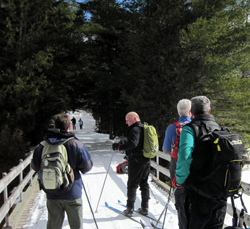

|
The New York State Department of Environmental Conservation respects your right to privacy and welcomes your feedback | Update preferences or unsubscribe | Learn more about DEC Delivers. |
|
Connect with DEC:    
|
|
| Basil Seggos, Commissioner | |