
DEC Adirondack Outdoor Recreation Bulletin - February 13, 2020
The New York State Department of Environmental Conservation sent this bulletin on 02/13/2020 05:06 PM EST |
| DEC Delivers - Information to keep you connected and informed from the NYS Department of Environmental Conservation |
| Share or view as a web page || Update preferences or unsubscribe |
DEC Adirondack Outdoor Recreation Bulletin
|
||||||||||||
|
This bulletin provides only the most recent notices. Check the Adirondacks Backcountry Information web pages for more detailed information on access, outdoor recreation infrastructure, and conditions for those planning to recreate in the Adirondacks. Emergency Situations: If you get lost or injured; keep calm and stay put. If you have cell service, call 911 or the DEC Forest Ranger Emergency Dispatch, 518-891-0235. Check mountain weather conditions before heading out this weekend. Hike Smart by packing the proper gear. See our recommended packing list and safety tips. Avalanche Safety: Know how to determine avalanche danger, avoid avalanches, and self-rescue if caught in an avalanche. General ConditionsLearn the conditions you will encounter from the Adirondack Backcountry Information web pages.
Hikers, Skiers & Snowshoers
Snowmobilers
Recent NoticesNotices below reflect recent changes in conditions and recreation infrastructure work completed by DEC and its partners. Check the Adirondack Backcountry Information web pages for ongoing issues and more detailed information.
Highlighted Spot: Ice Fishing on Chazy LakeChazy Lake is approximately 1,800 acres in size, runs 3.5 miles in length, and has a maximum depth of 72 feet. Chazy Lake is managed under the Chazy Highland’s State Forest and is set in the valley between Lyon and Ellenburg Mountain providing excellent mountain views and great fishing opportunities. Ice fishing is permitted on Chazy Lake which is abundant in lake trout and landlocked salmon. The best fishing is concentrated in the center of the lake over the deepest water. Ice anglers should exercise extreme caution when traveling out on ice by ensuring the ice is thick enough to carry the weight of a person and equipment. See more on ice fishing safety. Access the lake on the southeastern side from the Wilfred King Road Parking Area (44.730978, -73.811837) which has space for up to five vehicles. There is a launch site from an old camp that can be used to get on the ice. Practice Leave No Trace and Tread Lightly
Follow the Seven Principles of Leave No Trace to maintain minimal impact on the environment and the natural resources of the Adirondacks. Use proper trail etiquette to ensure an enjoyable experience for yourself and others, and tread lightly! Plan and Prepare Ahead by Knowing Ice Safety: Ice safety is the number one consideration before heading out on any frozen waterbody. Ice can be considered safe if its thickness is a minimum of three to four inches when completely solid, however, not all water bodies are the same! The guidelines presented here (based on Minnesota Department of Natural Resources) are based on new clear ice on non-running waters. Remember, your own good judgment is essential! Since ice thickness can vary on a lake, check the ice periodically to stay safe.
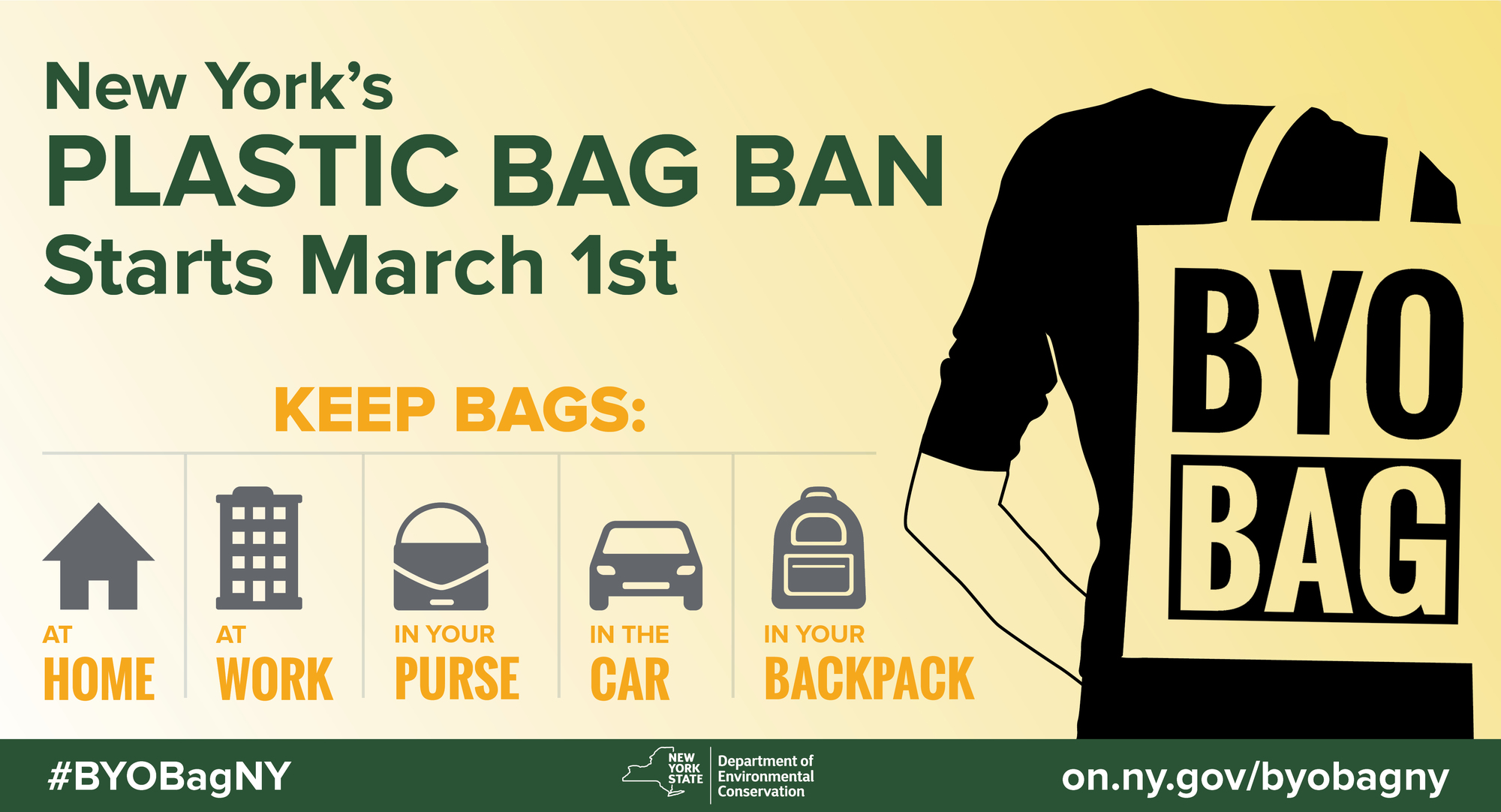
*Note: This guide is based on new, clear ice on non-running waters. Slush ice is about 50 percent weaker. Clear ice over running water is about 20 percent weaker. Double the recommendations for white ice. Many ice anglers do not like to fish on less than five inches of ice, and do not like to drive a pick-up truck on less than 15 inches of ice. Be cautious in areas where "bubblers" are used to protect docks. They can produce thin, unsafe ice some distance away. Be especially alert in areas near shore, over moving bodies of water and on lakes and ponds where streams enter or exit. Remember, use the buddy system while ice fishing - it saves lives! Have You Heard? New York's Plastic Bag Ban Starts March 1, 2020!Did you know that 50 million plastic bags end up as litter every year costing U.S Taxpayers $10 billion in clean up? Reusable shopping bags should become the go-to for shopping at markets, grocery stores, beverage centers, convenience stores, etc. but have you thought of reusable food storage options for the trail? Don’t just ditch the plastic bag at stores and markets, ditch single use plastic on the trail as well -no, we don’t mean littering. Pack food, snacks, and all litter in washable and reusable bags and containers. Repacking food and snacks before your hike can help eliminate the amount of waste you have with you on the trail. Remember to always carry out what you carry in so it's not your plastic waste contributing to the number above!
|

|
The New York State Department of Environmental Conservation respects your right to privacy and welcomes your feedback | Update preferences or unsubscribe | Learn more about DEC Delivers. |
|
Connect with DEC:    
|
|
| Basil Seggos, Commissioner | |