
Hunting and Trapping Newsletter
The New York State Department of Environmental Conservation sent this bulletin on 02/11/2020 09:12 AM EST |
| DEC Delivers - Information to keep you connected and informed from the NYS Department of Environmental Conservation |
| Share or view as a web page || Update preferences or unsubscribe |
Hunting and Trapping Newsletter |
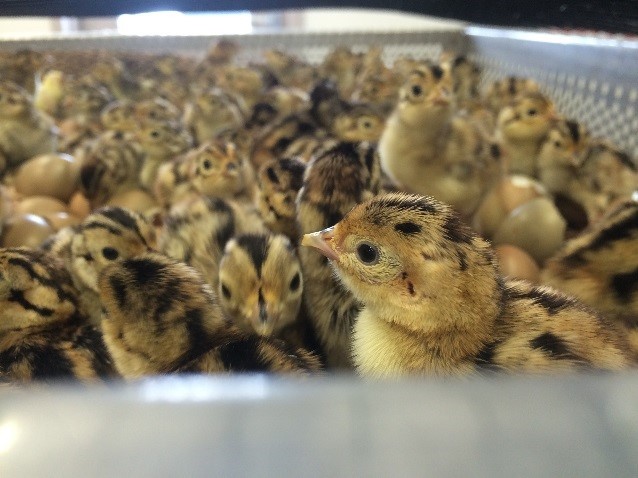
DEC Accepting Applications for Day-Old Pheasant Chick Program
Applications are now available for DEC’s cooperative Day-Old Pheasant Chick Program. The program provides pheasant hunting opportunities through a partnership among DEC, hunters, 4-H youth, and interested landowners. The program is funded through the State Conservation Fund from license fees paid by hunters, trappers, and anglers. In 2019, DEC distributed more than 31,500 day-old pheasant chicks to qualified applicants! Day-old chicks are available at no cost to participants who can provide a brooding facility, a covered outdoor rearing pen, and an adequate release site. Applicants must provide daily care to the rapidly growing chicks, monitor the birds’ health, and ensure they have adequate feed and water. The pheasants may be released beginning when they are eight weeks old and must be released no later than Dec. 1. All release sites must be approved in advance by DEC and must be open for public pheasant hunting opportunities. Approved applicants will receive the day-old chicks in April, May, or June. Individuals interested in these programs should contact their nearest DEC regional office for applications and additional information. A “Pheasant Rearing Guide” and applications are available on the DEC website. Applications must be filed with a DEC regional wildlife manager by March 25, 2020. DEC Seeks Assistance to Locate Black Bear Dens
Bears may den in a rock crevice, tree cavity, or under heavy brush or fallen trees. Since female bears generally give birth in January or early February, a high-pitched squeal from the cubs may be audible if near a den. New York hikers and hunters typically cover countless miles of wooded terrain each year. DEC urges anyone who finds a bear den to not approach or disturb it. Simply note the location and move away from the den site. DEC requests that anyone locating a bear den contact their local DEC Wildlife office with specifics about the den location, including GPS coordinates if possible. A list of regional wildlife offices is available on DEC's website. More information about black bears in New York is available at DEC's Black Bear web page. DEC Releases New York State Hunting Safety Statistics for 2019 -
|
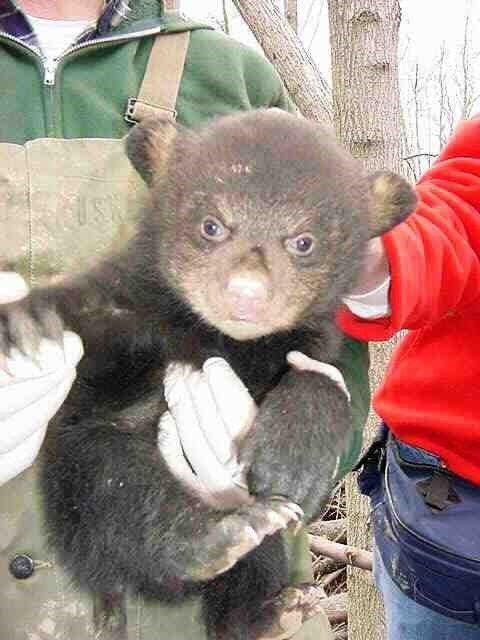 This winter, DEC wildlife biologists are seeking the public's help to learn about new black bear dens throughout New York. As part of DEC's ongoing monitoring of black bears in New York, wildlife biologists periodically check on black bears during the winter den season. The bears may be fitted with a radio collar to help biologists track the bears' activities throughout the rest of the year and to relocate dens in subsequent years for monitoring cub production, condition and survival.
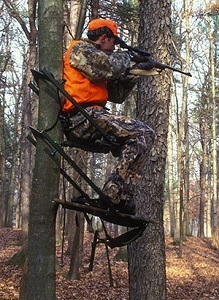 The 2019 hunting seasons in New York were the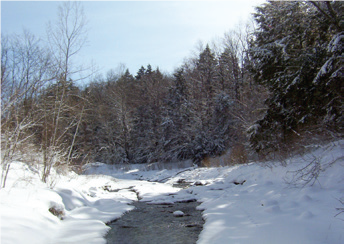

|
The New York State Department of Environmental Conservation respects your right to privacy and welcomes your feedback | Update preferences or unsubscribe | Learn more about DEC Delivers. |
|
Connect with DEC:    
|
|
| Basil Seggos, Commissioner | |