Wildlife, Fish & Marine Life Newsletter
The New York State Department of Environmental Conservation sent this bulletin on 01/29/2020 11:53 AM EST |
| DEC Delivers - Information to keep you connected and informed from the NYS Department of Environmental Conservation |
| Share or view as a web page || Update preferences or unsubscribe |
Wildlife, Fish, and Marine Life Newsletter |
View DEC’s Latest “On the Front Lines Video” with Wildlife Disease Biologist Kevin Hynes
Hynes is also part of the team that monitors Chronic Wasting Disease (CWD), a fatal disease that has killed or infected many captive and wild deer herds outside of New York. In 2005, CWD was discovered on two deer farms in Oneida County, New York. To date, New York is the only state to eradicate CWD, but it remains a serious threat, and DEC continues to monitor for the disease. Learn more about Kevin Hynes and other DEC employees by visiting "On the Front Lines," posted regularly on DEC's YouTube channel. 2020 Volunteer Training Workshops for Amphibian Migration & Road Crossings
You can help! Become a volunteer and participate in the Amphibian Migrations & Road Crossings (AM&RC) Project. AM&RC volunteers document the annual migrations and assist amphibians safely across roads. This year, DEC's Hudson River Estuary Program is collaborating with conservation and community organizations to offer our introductory training, which is designed for new volunteers and past participants who need a basic refresher. The workshops will cover data collection and project methods, amphibian identification, and tips for a safe volunteer experience. The workshops are free, but space is limited. Registration is required, and can be done at the links below:
Please note, this project is focused on the Hudson Valley. E-mail us if you have any questions. Photo by Sandy Van Vranken. Plastic Bag Ban Starts March 1: #BYOBagNYDid you know New Yorkers use more than 23 billion plastic bags a year? That’s around 1,000 bags per person annually. When we improperly dispose them, plastic bags create pollution, and are often seen stuck in trees or floating in our waterways. They pose threats to fish and wildlife, clog machinery at recycling facilities, and litter the pristine outdoor places we love and enjoy spending time in with our friends and family. Starting March 1, 2020, a new plastic bag waste reduction law will take effect in New York State, and your reusable bag should be in hand when going shopping. Whether you’re going to the grocery store, clothes shopping, or to a home improvement store, make sure to bring your reusable bags. You don’t need to wait until March 1st to take action! Start bringing your reusable bags to the store ahead of the ban to build a new habit. Remember, your reusable bag means conserving natural resources, creating less litter, and keeping New York beautiful for future generations. Additionally, stores covered under the NYS Plastic Bag Reduction, Reuse and Recycling Act will still be required to collect plastic bags and other film plastics from consumers for recycling. Film plastics include items such as bread bags and plastic wraps that come over cases of water, paper towels and other similar items. Consumers can help by continuing to recycle these items at participating retailers. Questions on the upcoming plastic bag ban? E-mail plasticbags@dec.ny.gov.
|
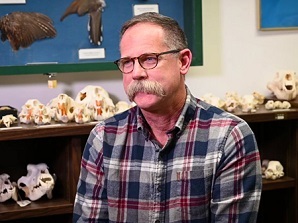 Wildlife Biologist Kevin Hynes of DEC’s Wildlife Pathology Unit is featured in the
 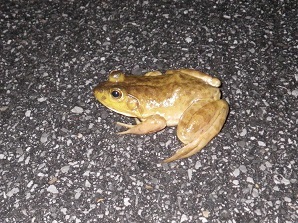 On rainy nights in late winter and early spring, many salamanders and frogs travel long distances from their forest habitats to breed in small wetlands called “woodland pools.” Unfortunately, many are killed by vehicles when their migration pathways cross roads.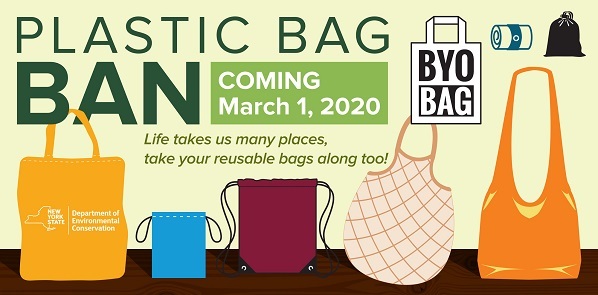
|
The New York State Department of Environmental Conservation respects your right to privacy and welcomes your feedback | Update preferences or unsubscribe | Learn more about DEC Delivers. |
|
Connect with DEC:    
|
|
| Basil Seggos, Commissioner | |