|
Have a safe and enjoyable outdoor recreational experience on the lands and waters of the Adirondacks. Properly plan and prepare for your outdoor adventure. Minimize the impact on the mountains and forests, rivers and brooks, ponds and lakes, and the wildlife of the Adirondacks.
Check the Backcountry Information for the Adirondacks web pages for more detailed information on access, outdoor recreation infrastructure, and conditions for those planning to recreate in the Adirondacks. This bulletin provides only the most recent notices.
Emergency Situations: If you get lost or injured, keep calm and stay put. If you have cell service, call 911 or the DEC Forest Ranger Emergency Dispatch, 518-891-0235.
Check mountain weather conditions before heading out this weekend.
Packing the proper gear for a hike is very important, and you should be prepared to encounter all conditions. See our recommended packing list and safety tips. Watch DEC's HikeSmartNY video for more information.
Parking restrictions along Route 73: Be safe, enjoy your hike, and avoid a parking ticket. Do not park on the shoulders of State Route 73 in the four-mile section of 73 between Chapel Pond and the Rooster Comb Trailhead. You are allowed to park at trailheads and other designated pull-offs. Hikers planning to use the AMR parking lots and hike any of the nearby trails should identify alternate hikes before arriving, as the lots fill quickly.
Plan Ahead
Check weather and trail conditions, regulations, and advisories before you travel. Have an alternative plan ready to ensure you can make the most of your time in the Adirondacks.
-
Wintry weather conditions: Late fall into early winter bring vastly changing weather conditions in the mountains. Warmer temperatures and possible rain at trailheads will quickly turn to freezing temperatures, hail, or snow as you gain elevation. Plan for below freezing wind chills and heavier winds on exposed areas and summits. Bring warm, wind protectant layers to help prevent hypothermia.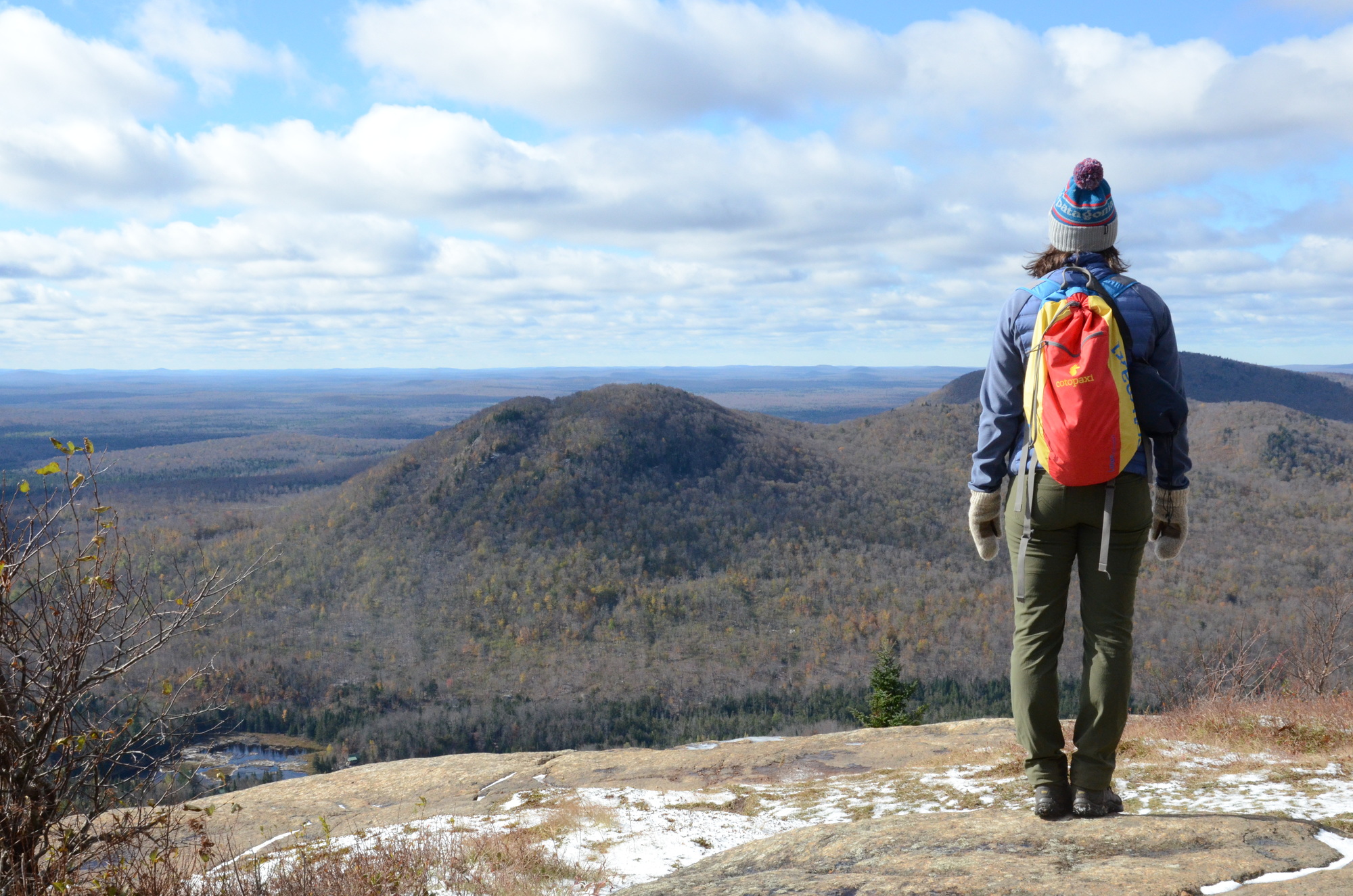
-
Varying trail conditions:
- Trails are very muddy in lower elevations. Always walk through the mud to avoid damage and erosion to trails and vegetation.
- Fallen wet leaves have made trails very slippery. Use caution on steeper slopes and exposed areas.
- Higher elevations in the High Peaks and exposed summits are experiencing early winter snow and ice. Bring traction devices on all high peaks.
-
Longer hiking time: With varying trail conditions and questionable weather conditions, plan to take extra time to complete hikes. Take care and caution on slippery rocks and trails, and always bring a head lamp.
Prepare
Properly prepare to better ensure a safe and enjoyable outdoor recreation experience. Weather forecasts and conditions can and do change quickly. Check the current National Weather Service Forecast, and be prepared for the forecasted conditions, or change your plans.
-
Gear list for late fall/early winter:
-
Head lamp: It can take longer to complete hikes this time of year with the varying trail conditions. A head lamp ensures your safety if you find yourself still on the trail after dark.
-
Traction devices: Higher elevations in the High Peaks may be covered in snow and ice.
-
Waterproof hiking boots: trails are a mix of mud, ice, and snow. Protect your 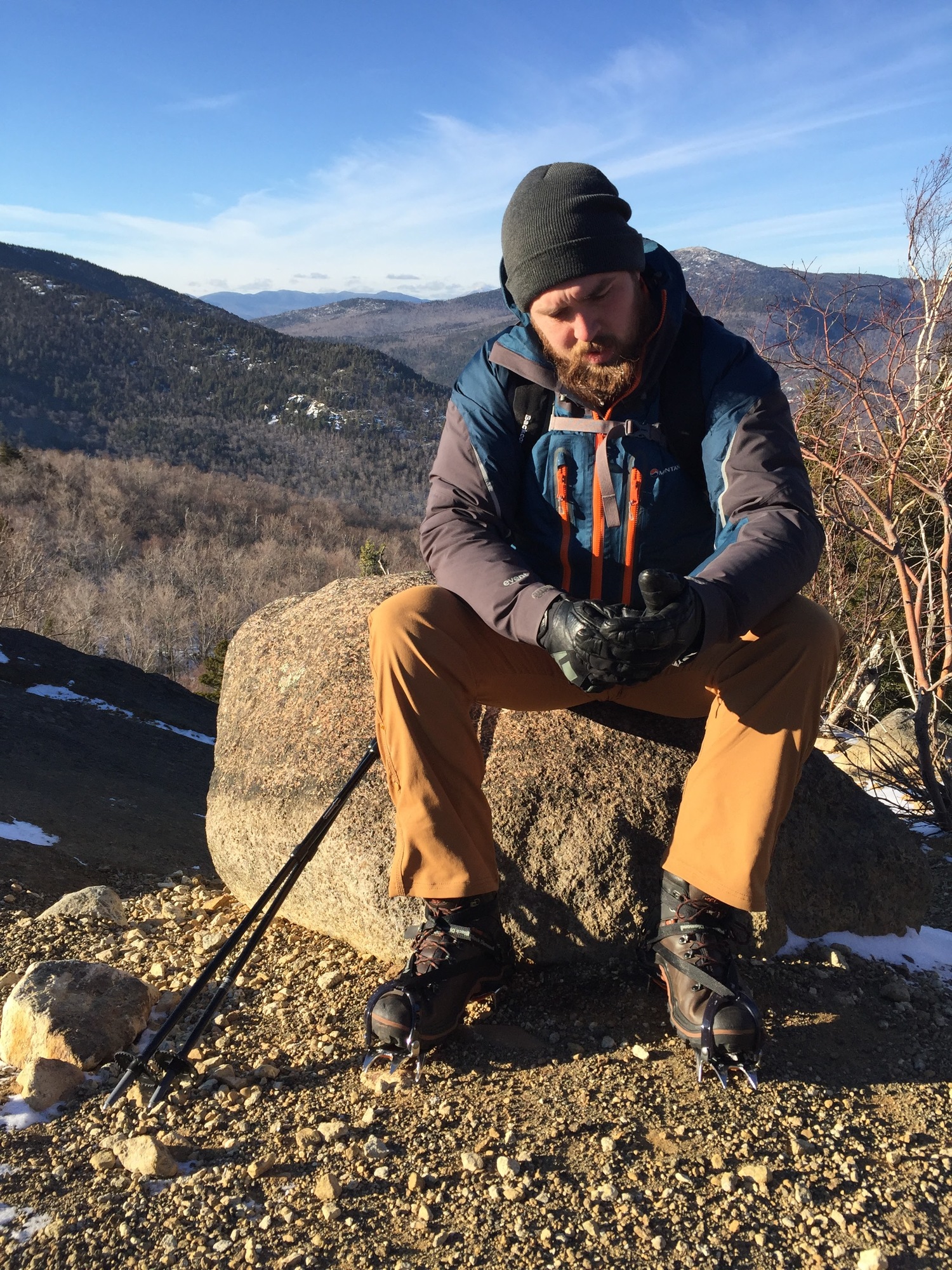 feet from the elements with proper hiking boots. This will also help as a prevention against hypothermia. feet from the elements with proper hiking boots. This will also help as a prevention against hypothermia.
-
Hat, gloves, wool socks, and wind protectant layers: summits and exposed areas will be colder and more windy. Protect yourself from hypothermia by wearing and packing the proper layers.
-
Plenty of water: the colder temperatures tend to make people feel less thirsty, but it is important to stay hydrated no matter the weather.
-
Food: You need to consume more calories in cold weather to help prevent hypothermia. See section below on how to keep food and water from freezing.
-
Map of route: trails are covered in leaves, ice or snow making them harder to follow. Knowing your route will help to stay on track. Always be on the lookout for trail markers and junctions so you don’t miss your turn or stray off trail.
-
Emergency essentials kit: Varying weather and trail conditions create a lot more opportunity for injuries or going off course. Carrying an emergency essentials kit will help you be prepared to handle unexpected situations.
Practice Leave No Trace
 Follow proper trail etiquette to maintain minimal impact on the environment and the natural resources of the Adirondacks, as well as ensure an enjoyable outdoor experience for all visitors by following the Seven Principles of Leave No Trace. Follow proper trail etiquette to maintain minimal impact on the environment and the natural resources of the Adirondacks, as well as ensure an enjoyable outdoor experience for all visitors by following the Seven Principles of Leave No Trace.
Plan and prepare ahead: How to keep food and water from freezing during the colder months:
-
Water- Store your water upside down in your pack. Wrap bottles in wool socks, clothing, or use insulated carriers. Bladders will usually not freeze deep in your pack, however, the tubing will. Blow water back into the bladder after every drink. Use a hydration bladder tube insulator to keep water from freezing.
-
Food- Store small snacks close to your body. Choose food that is less likely to freeze like nuts, granola, etc. and break it into small pieces. You can also wrap your food in newspaper or extra clothing to help insulate it within your pack.
- It is beneficial on very cold hikes to pack extra weight in calories. Bring a thermos of soup, coffee, hot chocolate etc. for a quick warm up. A cookstove, cookware and non-perishable food like soup, oatmeal, or freeze-dried meals will help pack more calories and offer a warm meal on long hikes.
General Conditions/Notices
Learn the conditions you will encounter from Adirondack Backcountry Information.
All
-
Travel: Check NY511 for road closures and conditions.
-
Fall Foliage: See the Fall Foliage Report to learn the location and the extent of the colors across the Adirondacks.
-
Weather: Check the National Weather Service or NY Mesonow for updated hazardous weather notices and for current conditions and forecasts for the location where you plan to recreate.
- Autumn Conditions in the Adirondacks – Be Prepared:
-
Snow and ice are present in the highest elevations.
-
Ice will likely be present in the morning throughout the Adirondacks.
- The sun sets earlier – always pack or carry a flashlight or headlamp.
- Those hiking to the higher summits should also pack a winter hat, gloves, and trail crampons (foot traction devices).
- Always carry the following items on any hike or paddle:
- Water
- Working headlamp or flashlight and extra batteries
- Map of the area
- Food or snack
-
Trail crampons (foot traction devices)
-
Drones: Drones are motorized equipment, and operating drones on lands classified as wilderness, primitive, or canoe is prohibited.
-
Watch for Moose and Deer:
- Motorist should be alert for moose and deer on and along roads.
- Moose and deer actively seek mates in autumn.
- Moose-vehicle collisions are troublesome – two have occurred already this fall.
- Moose are much larger and taller than deer.
- Their large body causes greater damage, and, when struck, their height often causes them to impact the windshield of a car or pickup truck, not just the front of the vehicle.
- Moose are especially difficult to see at night because of their dark brown to black coloring and their height - which puts their head and much of their body above vehicle headlights.
- Use the moose sighting form to report all moose sightings.
-
Ticks: Follow these steps to protect against ticks and prevent disease:
- Wear light-colored, long sleeve shirts and long pants.
- Tuck shirts into pants, button or rubber band sleeves at the wrist, and tuck the bottom of pant legs into your socks.
- Use an insect repellent, and follow label directions.
- View these additional tips for tick prevention.
-
Hunting Seasons: Big game, small game, and waterfowl hunting seasons are open or will open soon.
- Hikers should be aware that they may meet hunters bearing firearms or archery equipment while hiking on trails.
- Please recognize that these are fellow outdoor recreationists with the legal right to participate in these activities on forest preserve and conservation easement lands.
- Hunting accidents involving non-hunters are extremely rare.
- Hikers should wear bright colors if it makes them feel safer.
- Seasonal Access Roads:
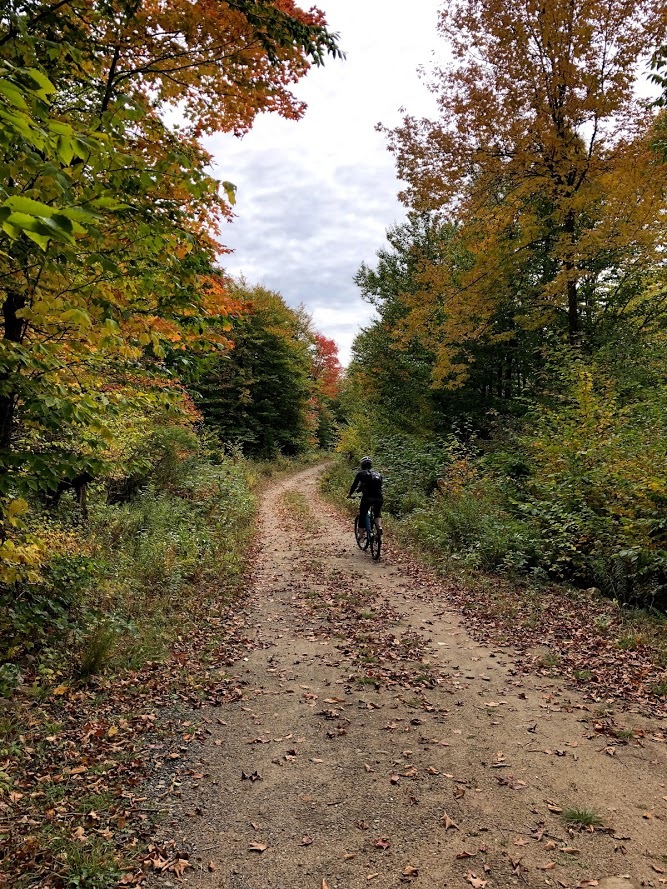
- Seasonal access roads typically remain open until the end of the northern zone regular big game hunting season unless snow or other conditions warrant an early closure.
- Seasonal access roads are dirt and gravel which can be rough.
- Four-wheel drive SUVs, pick-up trucks, and other high clearance vehicles are recommended for driving on these roads.
- Roads may be narrow – use caution, drive slowly, and watch for oncoming vehicles.
-
Fire Danger:
- Fire Danger Rating is Low throughout the Adirondacks.
- Check the Fire Danger Rating Map to view Fire Danger Rating Areas, Fire Danger Rating definitions, and the current Fire Danger Ratings.
Hikers & Campers
-
General Information:
-
Trail Conditions:
- Due to recent heavy rains, low elevation trails are wet and muddy.
- Due to high water levels, low water crossings may be difficult to cross.
- Trailheads and trails in the northern Adirondacks may be icy – especially in the morning.
- Snow and ice likely present on trails above 3,000 feet elevation.
- A mix of water, mud, and slush will likely be present on trails between 2,500 and 3,000 feet elevation.
-
Wear Proper Footwear:
- Wear footwear suitable for hiking in these conditions, stay in the center of the trail and walk through mud and water - not around it - to protect trails and trailside vegetation.
-
Trail crampons (foot traction devices) should be carried on all hikes and used when warranted.
-
Mountain Summits:
Bikers
-
General Information: Biking
- Trail Conditions:
- Due to recent rains, trails may be wet and muddy in low areas and along water.
- Please don’t ride on muddy trails. They are easily rutted and damaged through use - if you are leaving tracks, turn back.
- The Barkeaters Trail Alliance provides information on the status of mountain bike trails in the Tri-lakes region of the Adirondacks.
-
E-bikes: Electric-powered bikes are prohibited on all bike trails on the Forest Preserve.
Boaters, Paddlers, and Anglers
-
General Information
-
Boat Launches: Until the end of October, gates will be closed overnight at the Mossy Point and Rogers Rock Boat Launches on Lake George as part of a pilot program to increase protection from aquatic invasive species on the lake.
-
Conditions:
- Due to recent heavy rains, water levels in rivers and streams are high.
- Check the USGS Current Water Data for New York for stream flow of selected waters.
- Water temperatures continue to cool.
- DEC strongly recommends anglers, boaters and paddlers wear personal flotation devices (PFDs aka lifejackets).
Climbers
-
Rock Climbing Route Closures: All rock climbing routes are open. DEC appreciates the cooperation and understanding of the climbing community during the closure period. Rock climbers also volunteer to identify nesting pairs, nest sites, and observe nest sites until the young fledge.
Recent Notices
Notices below reflect recent changes in conditions and recreation infrastructure work completed by DEC and its partners. Check the Adirondack Backcountry Information web pages for ongoing issues and more detailed information.
-
High Peaks Wilderness:
- The Clear Pond Gate on the Elk Lake Road will be closed on Monday 10/21.
- This will add four miles round trip to hikes in the Dix Mountain Range or Panther Gorge from the southern trailhead.
- On Saturday 10/26 the trails through the Elk Lake Conservation Easement to the Dix Mountain Range and Panther Gorge will be closed to public use. The trails will open Monday 12/9 at the end of the Northern Zone Regular Big Game Season.
- The Garden Trailhead Parking Lot is open. The Town of Keene’s Garden Hiker Shuttle has ceased operation for the season.
-
Boreas Ponds Tract:
-
Note: The inner universally accessible parking lot will not open until 2020. The Boreas Ponds Dam is one mile from the Four Corners parking lot.
- A new ADA accessible lean-to has been constructed on a site overlooking Boreas Ponds. This was a combined effort of DEC staff, NYS Department of Corrections and Community Supervision Moriah Shock Camp Crew, and members of Lean2Rescue.
Highlighted Trip - Fivemile Mountain, Lake George, NY

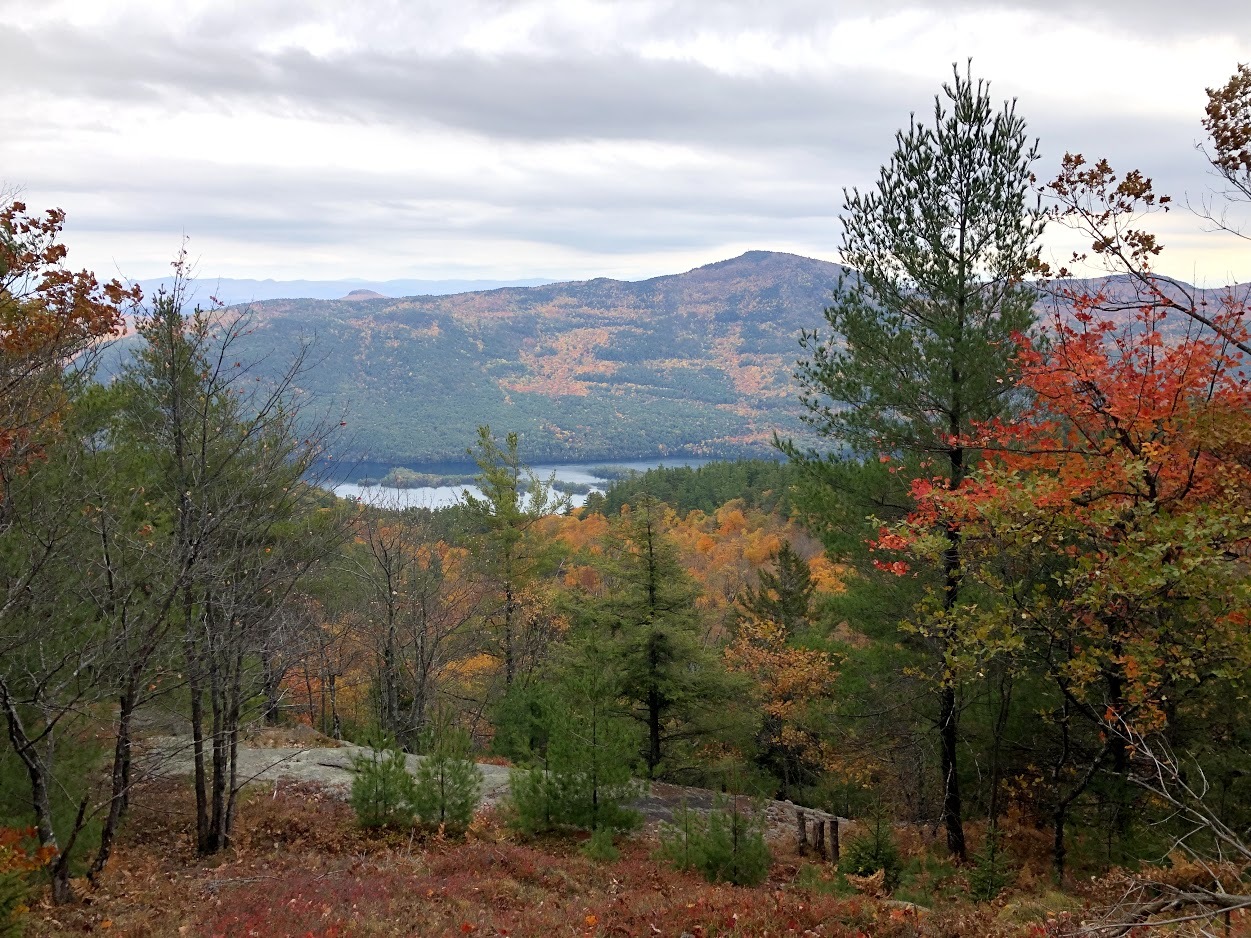
Fivemile Mountain is located within the Lake George Wild Forest and is part of the 10.8-mile Tongue Mountain Range Trail. There are two trailheads to begin this hike, both of which are moderate out-and-back hikes.
Trail One:
From the Five Mile Point trailhead at the Clay Meadow Parking Area, follow the Five Mile Point Trail to mile 2.0, then turn north at the intersection onto the Tongue Mountain Range Trail. Continue 1.7 miles and 685 feet elevation to the top of Fivemile Mountain. At 0.9 miles past the Fivemile Mountain summit is the Fivemile Mountain lean-to.
Clay Meadows Parking Area is located on State Route 9N near the Northwest Bay parking area and provides access to the Northwest Bay Trail. (43.629378°N, 73.608408°W)
Trail Two:
From the Deer Leap Parking Area, follow the trail to the intersection with the Tongue Mountain Range Trail at mile 0.6. Turn south at the intersection. The trail ascends 826 feet and 2.9 miles to the summit of Fivemile Mountain. At 0.9 miles before the Fivemile Mountain summit is the Fivemile Mountain lean-to.
Deer Leap Parking Area is located on State Route 9N and provides access to the Deer Leap Trail. (43.661326°N, 73.544811°W)
View Map
|