Hunting and Fishing Newsletter
The New York State Department of Environmental Conservation sent this bulletin on 10/24/2019 10:00 AM EDT |
| DEC Delivers - Information to keep you connected and informed from the NYS Department of Environmental Conservation |
| Share or view as a web page || Update preferences or unsubscribe |
Hunting and Fishing Newsletter |
How to Obtain Trapping PermitsOctober marks the beginning of many trapping and furbearer hunting seasons throughout New York State. Coyote hunting has been open across the state since October 1. Trapping and hunting seasons for several other furbearers such as bobcat, raccoon and fox, as well as trapping seasons for fisher, mink and muskrat begin in some regions of the state on October 25. Be sure to check your Hunting and Trapping Regulations Guide for the season dates and regulations for your area. Trappers should note special permit requirements for fisher and marten trapping seasons. Fisher and marten trappers must obtain a special free permit. To obtain a free fisher or fisher/marten permit, trappers should contact their regional wildlife office or apply by e-mail at wildlife@dec.ny.gov. Fisher and marten trappers must also complete a trapping activity log and submit the skull or lower jaw of all harvested fisher and the entire carcass of all harvested marten at the time of pelt sealing. Wildlife managers at DEC rely on this information supplied by trappers to help manage populations of these furbearers. Check out DEC’s trapping web page for more information on research that DEC biologists are conducting on these species. Chronic Wasting Disease Survey Now Underway
CWD is a fatal disease of deer, elk, and moose and has not been found in New York since 2005. However, CWD is present in captive and wild deer and elk in many other states and provinces and would pose a serious threat to our deer and moose populations and deer hunting tradition if the disease gets established in New York. DEC is working to minimize the risk of CWD introduction and spread in New York, and hunters have a critical role in preventing CWD. Understanding hunter attitudes and behaviors will help DEC as we pursue the best disease prevention strategies. Participation Needed for Black Bear Hunter Survey
DEC is partnering with the Center for Conservation Social Sciences (CCSS) at Cornell University on a survey of roughly 1,800 randomly-selected black bear hunters to learn more about their activities, interests, and opinions related to black bear hunting in New York. Hunters who receive the survey are encouraged to respond. Collecting information from hunters will help DEC understand how current regulations affect hunter satisfaction and management capacity. This survey follows a broader survey of landowners across New York, in which DEC sought input about public attitudes and experiences with black bears, as well as public desires for future bear population change. A final report of that survey is now available (Understanding Local Resident’s Bear Population Preferences). Together, these two surveys will help DEC biologists appropriately manage black bears for the benefit and enjoyment of all New Yorkers. Please direct all questions about the survey to CCSS at 607-255-2828 or wfs1@cornell.edu. Please direct all questions about the black bear management program to 518-402-8883 or: wildlife@dec.ny.gov. For more information, visit the DEC website on Black Bear and read the “New York State Black Bear Management Plan”. Preserving the Memory of a Great Hunt – Photography TipsDuring and after a memorable hunt, most hunters want that perfect picture to remember it by. With the increased quality of cell phone cameras and the usage of social media, it is easier than ever to capture and share that special moment! However, it is important to remember that photographs in poor taste can negatively impact the public’s view of hunting. Here are a few tips to keep in mind:
Remember, you represent all New York hunters when you share photographs of the hunt. The majority of the non-hunting public supports hunting overall – help keep it that way by taking respectful photographs that capture your success and the reasons why you hunt! |
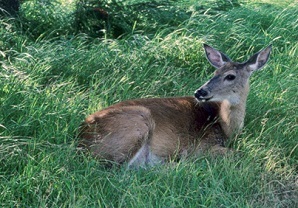 DEC is partnering with the Center for Conservation Social Sciences (CCSS) at Cornell University on a survey of 2,000 randomly-selected deer hunters across New York State to learn more about their opinions and hunting activities related to chronic wasting disease (CWD) and CWD risks. Hunters who receive the survey are encouraged to respond.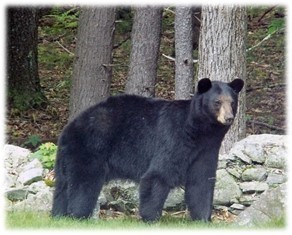
|
The New York State Department of Environmental Conservation respects your right to privacy and welcomes your feedback | Update preferences or unsubscribe | Learn more about DEC Delivers. | |
Connect with DEC:    
|
|
| Basil Seggos, Commissioner | |