Community Spotlight: Fifth Street Farm
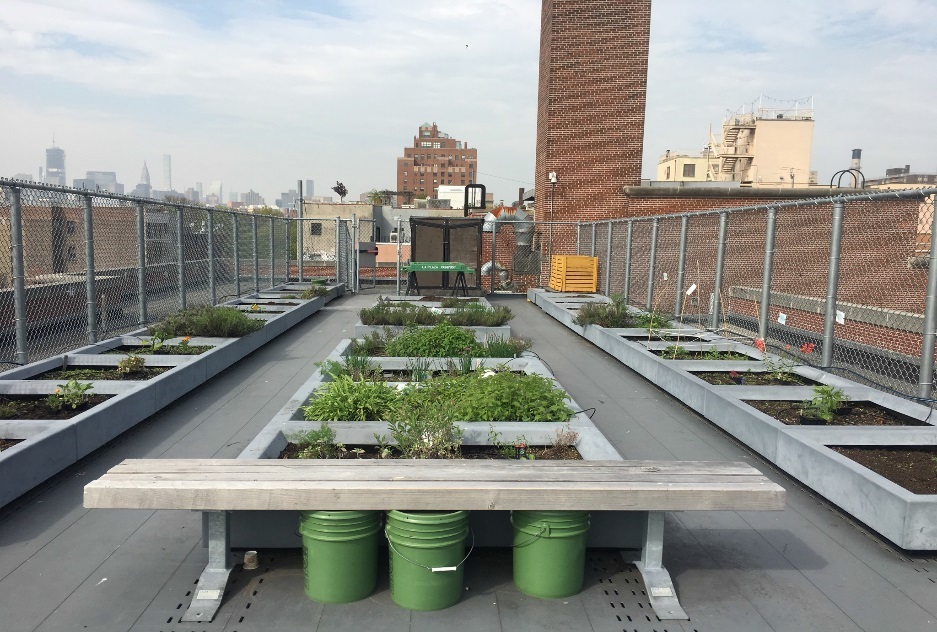 What better way to learn about the outdoors than being outdoors? A University of Illinois study found that third graders who attended classes in a natural setting were more engaged and less distracted than students in traditional classroom settings. What better way to learn about the outdoors than being outdoors? A University of Illinois study found that third graders who attended classes in a natural setting were more engaged and less distracted than students in traditional classroom settings.
In 2012, DEC awarded Fifth Street Farm, a collaborative educational project, a $10,000 Community Impact Grant to establish a Green Roof Project that will enhance environmental learning for students from three New York City schools. The 2,400-square-foot rooftop school garden serves as a living, outdoor classroom, with 65 raised beds, a timed irrigation system, cedar benches, a rain barrel, and an open two-bin compost system.
Read this article in its entirety on our website.
Learn more about the Green Roof Project and other Fifth Street Farm initiatives.
Read about outdoor classrooms.
How Does Your Laundry Routine Affect the Environment?
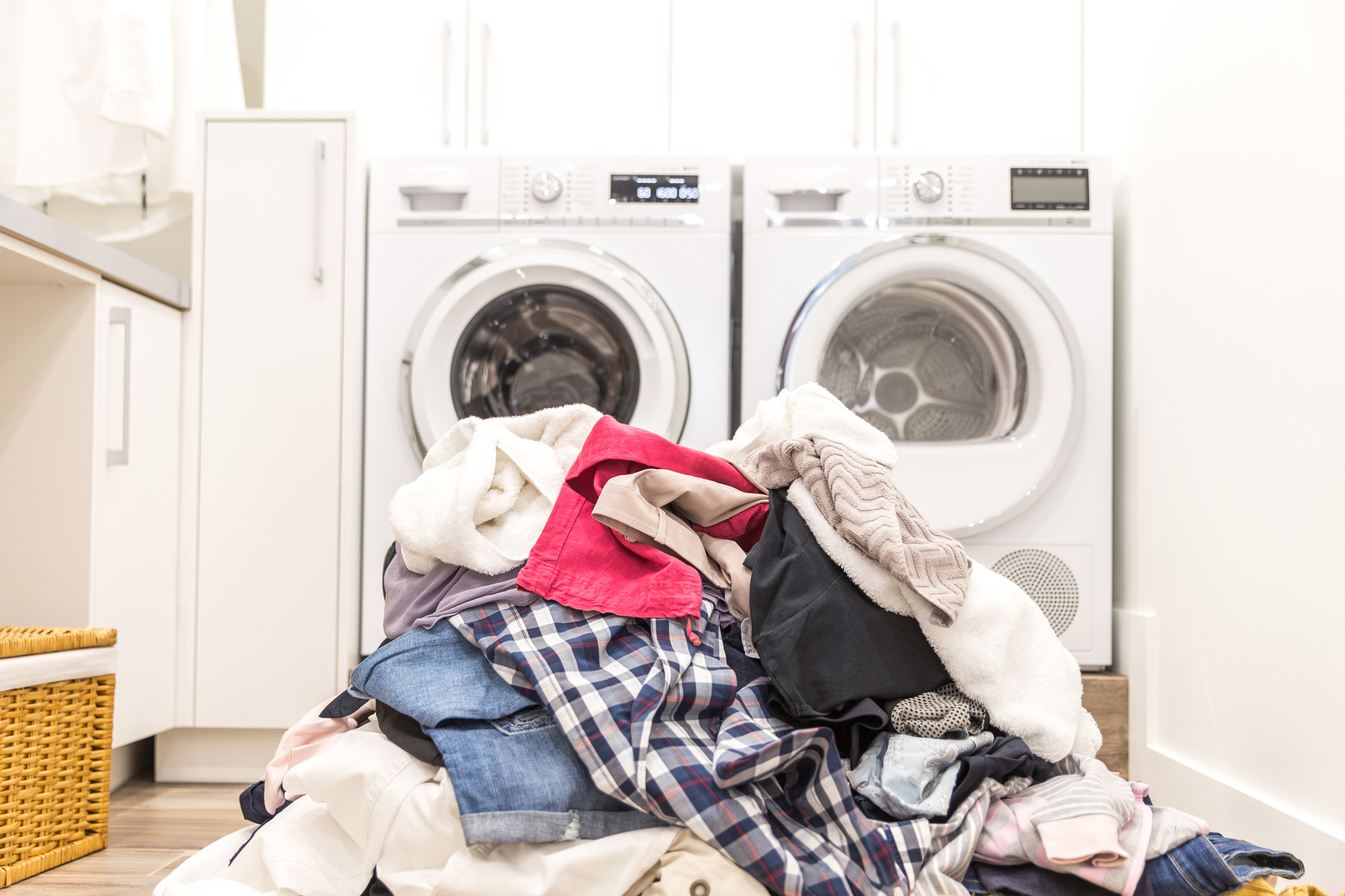 In the United States, more than 660 million loads of laundry are washed per week, with each household responsible for 50 pounds of laundry. The average residential washing machine uses 41 gallons of water per load. Even high-efficiency washers use 15–30 gallons. Combine that with scented laundry detergents, fabric softeners, and scent boosters, and you’re adding at least 15 gallons of water mixed with chemicals being washed down your pipes. In the United States, more than 660 million loads of laundry are washed per week, with each household responsible for 50 pounds of laundry. The average residential washing machine uses 41 gallons of water per load. Even high-efficiency washers use 15–30 gallons. Combine that with scented laundry detergents, fabric softeners, and scent boosters, and you’re adding at least 15 gallons of water mixed with chemicals being washed down your pipes.
Read more about greening your laundry day experience.
On the Front Lines: The Hudson River Estuary Program
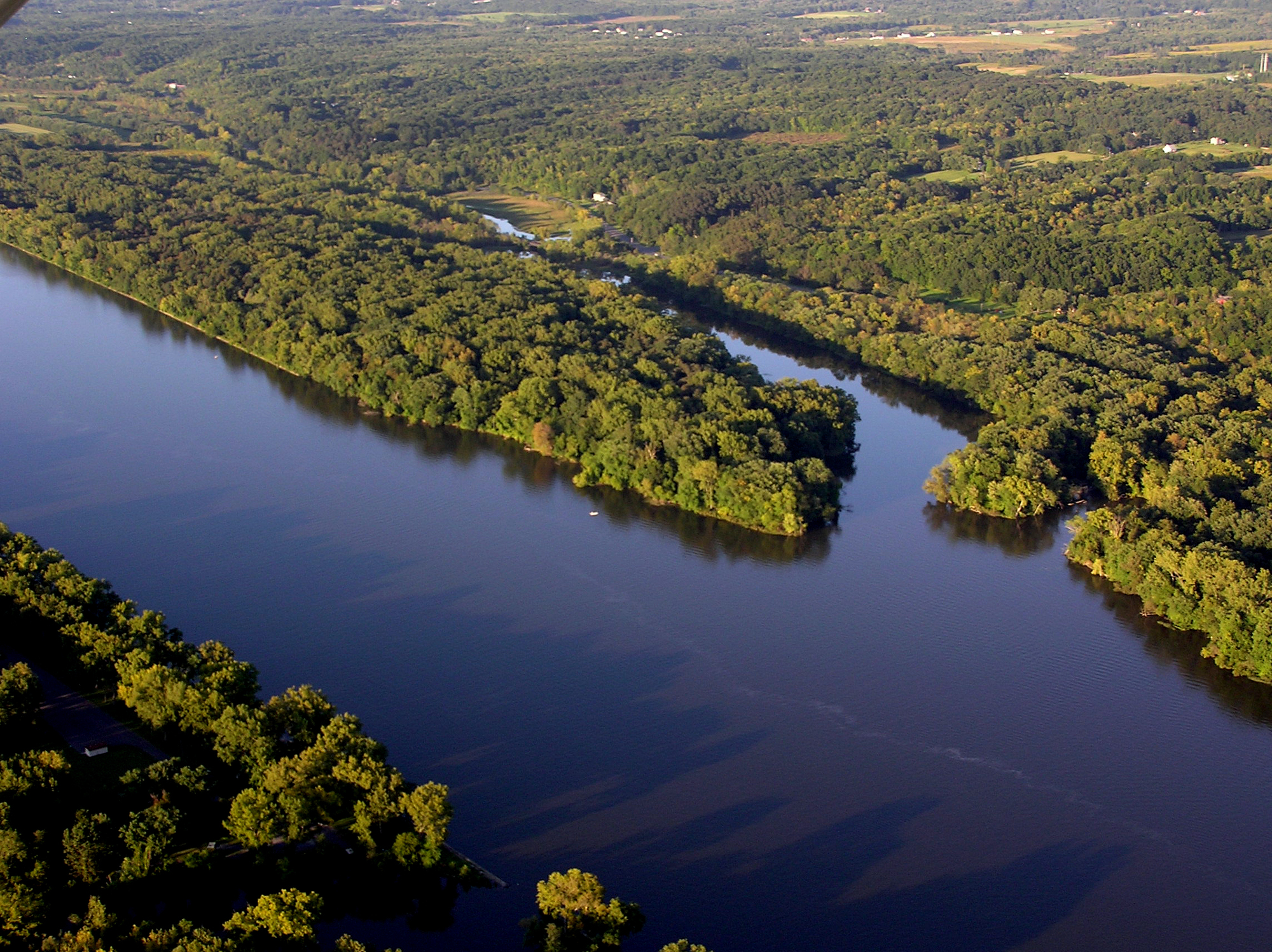 New York is home to estuaries, or partially enclosed coastal bodies of water, where freshwater from rivers or streams mix with salt water. Estuaries are among the most productive ecosystems on the planet and provide a host of ecological and economic benefits. Established in 1987, DEC's Hudson River Estuary Program utilizes knowledgeable estuary stewards, with a strong understanding of ecology, as a foundation for its work. It is guided by an action agenda that includes approaches such as helping shoreline communities clean up contaminated areas and improve environmental justice areas. New York is home to estuaries, or partially enclosed coastal bodies of water, where freshwater from rivers or streams mix with salt water. Estuaries are among the most productive ecosystems on the planet and provide a host of ecological and economic benefits. Established in 1987, DEC's Hudson River Estuary Program utilizes knowledgeable estuary stewards, with a strong understanding of ecology, as a foundation for its work. It is guided by an action agenda that includes approaches such as helping shoreline communities clean up contaminated areas and improve environmental justice areas.
Chris Bowser, the education coordinator for the estuary program and National Estuarine Research Reserve, works to engage and educate watershed residents about resource management. Chris works with students of all ages, from children to adults, teaching them about the estuary and encouraging them to help conserve the valuable habitats found in them. Read this article
Learn more about the Hudson River Estuary Program.
Check out our YouTube page.
Rethinking Our Travel Habits: Promoting Sustainable Tourism & Protecting the Environment
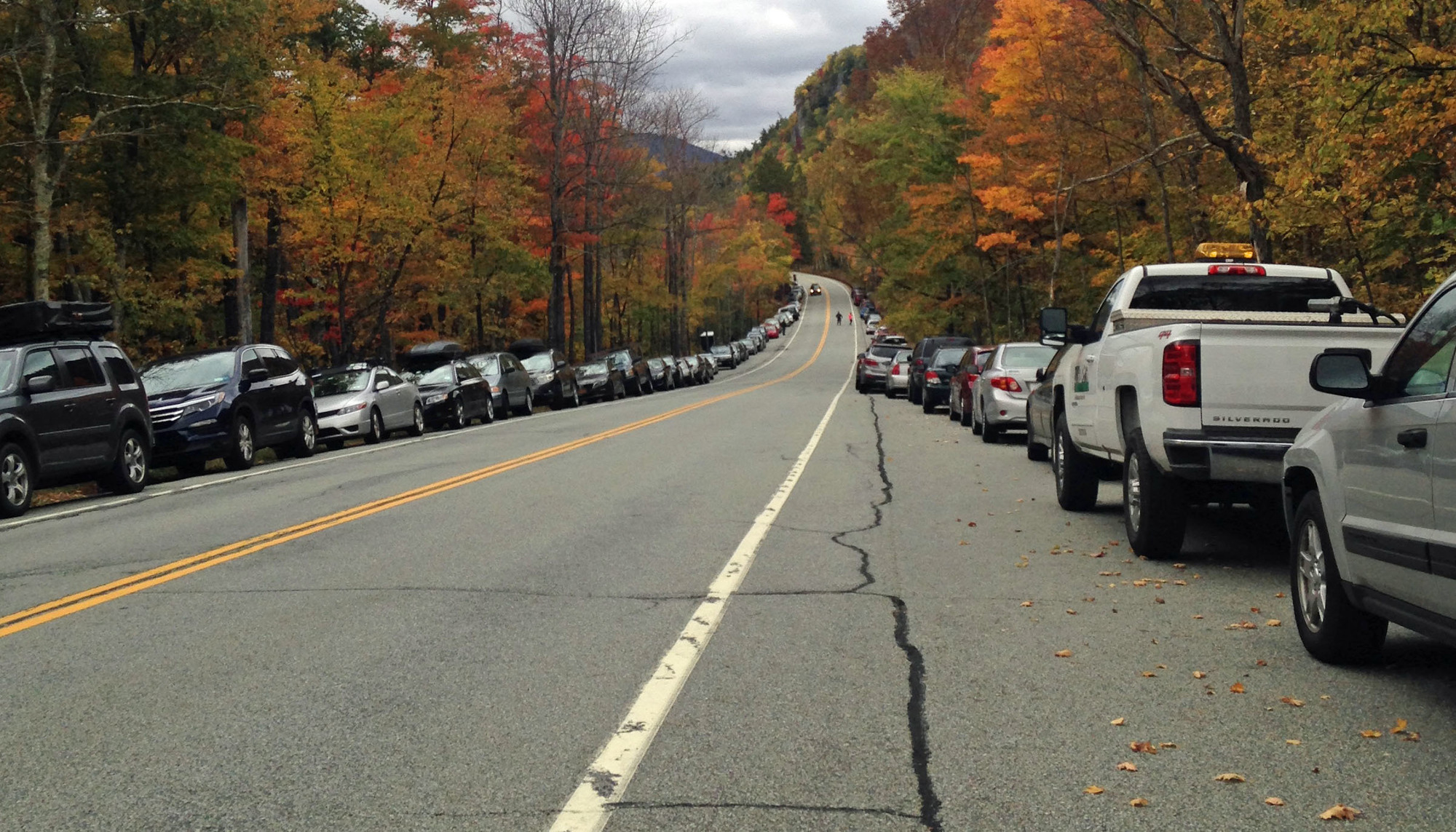 Tourism across New York State generated an estimated $108.7 billion in revenue in 2017, with a record 243.8 million visitors spending time in the state, according to a State Tourism Economic report. These numbers reflect the many spectacular sites and attractions in New York, from the Hamptons on Long Island to the Adirondacks’ High Peaks. People love New York and want to experience all there is to see and do. Tourism across New York State generated an estimated $108.7 billion in revenue in 2017, with a record 243.8 million visitors spending time in the state, according to a State Tourism Economic report. These numbers reflect the many spectacular sites and attractions in New York, from the Hamptons on Long Island to the Adirondacks’ High Peaks. People love New York and want to experience all there is to see and do.
However, the increased number of visitors can put a strain on the environment. There are steps we can take to ensure that a boost in tourism does not lead to more pollution, wastewater system overloads, destruction of natural habitats, and overcrowding.
Many of our state facilities and resources are designed to encourage visitors, while ensuring public safety and protecting natural resources. Permitting systems, designated parking, and trailheads with designated capacity limits are some of the ways DEC promotes sustainable use of these unique areas.
Read this article for tips on visiting our natural treasures sustainably.
DEC’s Pilot Pharmaceutical Take Back Program
By Laura Kipper
 New York is home to abundant fresh water sources in the form of rivers, lakes, and streams. From fishing and agriculture to recreation and tourism, our waters are a vital part of our economy and our daily lives. As water users, we also need to be aware that contaminants and pollutants, including pharmaceutical waste, threaten these valuable resources. New York is home to abundant fresh water sources in the form of rivers, lakes, and streams. From fishing and agriculture to recreation and tourism, our waters are a vital part of our economy and our daily lives. As water users, we also need to be aware that contaminants and pollutants, including pharmaceutical waste, threaten these valuable resources.
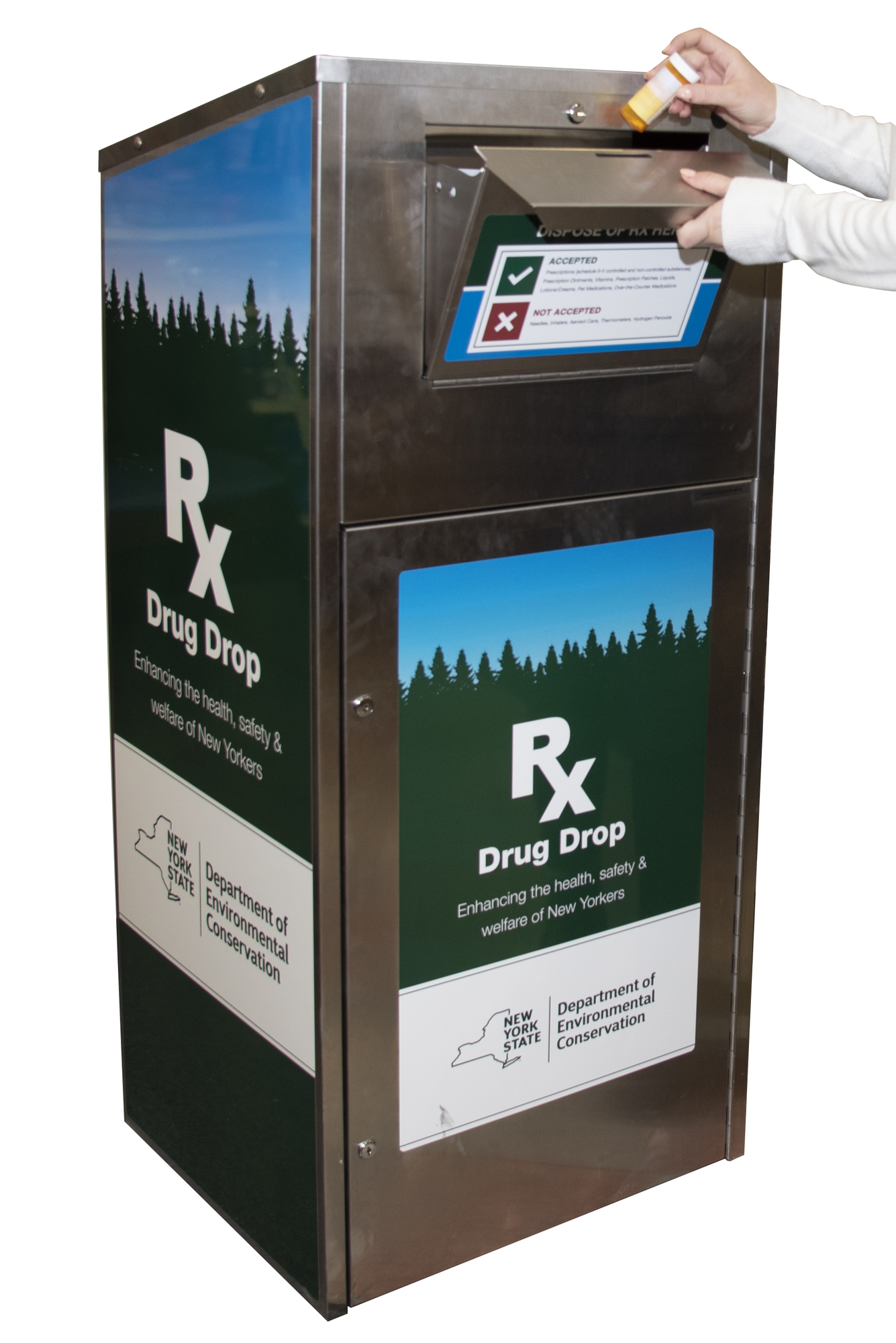
One way DEC promotes proper disposal is through a statewide Pilot Pharmaceutical Program that makes it easy for households to safely dispose of unused and expired medications in any one of 262 Prescription (Rx) collection boxes located in participating retail pharmacies, hospitals, and select police stations. Read this entire article.
Learn more about this program.
Find an Rx collection box near you.
|