Wildlife, Fish & Marine Life Newsletter
The New York State Department of Environmental Conservation sent this bulletin on 09/11/2019 10:35 AM EDT |
| DEC Delivers - Information to keep you connected and informed from the NYS Department of Environmental Conservation |
| Share or view as a web page || Update preferences or unsubscribe |
Wildlife, Fish, and Marine Life Newsletter |
View DEC’s Latest “On the Front Lines” Video: Peregrine Falcon Banding
For more information on peregrine falcons, visit the DEC website. Photo by Barbara Loucks. Help Monitor Seedlings with the AVID Method
State Lands to Visit: Bear Spring Mountain Wildlife Management Area
Hunters can find white-tailed deer, black bear, wild turkey, grouse, and pheasants. Anglers can fish for brook and brown trout in the property’s two streams and largemouth bass, sunfish, and bullheads at Russ Grey Pond. Hikers will see multiple bird species, interesting plants, and woodland wildflowers along the trails. There is also an area to ride horses. Winter activities include snowmobiling, snowshoeing, and cross-country skiing. A unique feature of the area is a state-operated campground within the WMA boundary. There is a swimming beach and easy access to the WMA’s trail system. Read more about Bear Spring Mountain WMA in the August issue of the Conservationist (PDF). National Days Celebrate Outdoor Activities on September 28National Public Lands Day (NPLD) is the nation's largest single-day volunteer effort for America's public lands. For those who enjoy hiking, fishing, hunting, and exploring America's public lands, it's a great opportunity to give back by helping to build trails, clean campgrounds, restore riparian areas, and otherwise serve as stewards at thousands of sites across the country. In May 1972, President Richard Nixon signed the first proclamation for National Hunting and Fishing Day, urging “…all citizens to join with outdoor sportsmen in the wise use of our natural resources and in insuring their proper management for the benefit of future generations.” |
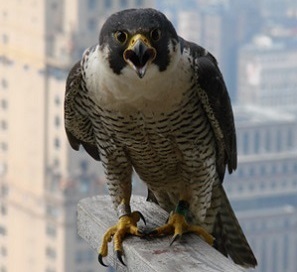 Each spring and summer, DEC staff monitor peregrine falcons across New York State. Peregrines are endangered in New York State, although thanks to conservation efforts, their populations are growing. They nest on bridges and tall buildings in many New York cities. Join DEC biologist Connie Adams as she bands two nestling peregrine falcons at an urban nest in Buffalo—
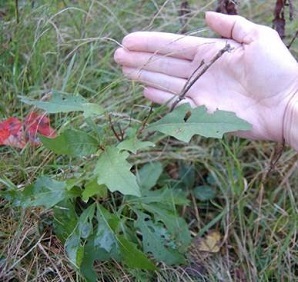 If you like to spend time in the woods in the fall and are interested in keeping those woods healthy, consider monitoring tree seedling growth to find out whether deer grazing is threatening the ability of the forest to sustain itself. Deer populations in parts of the state are high enough to
 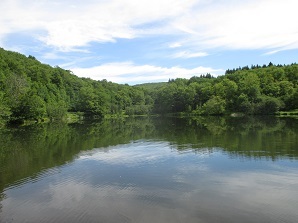 Located in the Catskills in Delaware County,
|
The New York State Department of Environmental Conservation respects your right to privacy and welcomes your feedback | Update preferences or unsubscribe | Learn more about DEC Delivers. |
|
Connect with DEC:    
|
|
| Basil Seggos, Commissioner | |