One of the easiest ways to protect NY's forests...
The New York State Department of Environmental Conservation sent this bulletin on 08/13/2019 11:09 AM EDT |
| DEC Delivers - Information to keep you connected and informed from the NYS Department of Environmental Conservation |
| Share or view as a web page || Update preferences or unsubscribe |
Invasive Species News |
This Month's Topics:
Pool Owners (and Anyone!) Can Help DEC Find Invasive Beetle
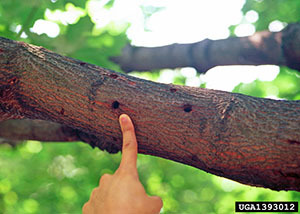
DEC is requesting that people with swimming pools keep an eye out for any insects that resemble ALB when checking their pool filters. If a suspicious insect is found, e-mail photos to foresthealth@dec.ny.gov or mail the insect to the Division of Lands and Forests' Forest Health Diagnostic Lab for identification, Attn: Jessica Cancelliere, 108 Game Farm Road, Delmar, NY 12054. You don't have to have a pool to help stop ALB! Anyone can learn how to recognize and report the beetle, as well as the signs it leaves behind - view photos of the insect and the examples below on DEC's website:
ALB is a wood boring beetle native to Asia that was accidentally introduced to the United States through wood packing materials. These pests attack a variety of hardwoods, including maples, birches, and willows, among others, and have caused the death of hundreds of thousands of trees across the country. The New York State Department of Agriculture and Markets (DAM), in cooperation with the animal and Plant Health Inspection Service (APHIS), has worked diligently to manage the ALB infestations in our state and has succeeded in eradicating the invasive beetle from Staten Island, Manhattan, Islip and Eastern Queens. Top photo: Adult Asian longhorned beetle in a pool Protect Our Trees by Following the NYS Firewood Regulation
Ever wonder about the science behind this regulation? Take this research from the state of Michigan as one example: Firewood taken at enforcement stops in emerald ash borer quarantine areas was analyzed and found to have both live wood-boring insects and signs of previous infestations – meaning some insects had already escaped. You can read the full study online. NAISMA Conference Registration Now OpenThe 2019 North American Invasive Species Management Association (NAISMA) conference will be held September 30 - October 3, 2019 in Saratoga Springs, NY. Conference sessions, presentations, and workshops will bridge the geographic divide between West to East and North to South, connecting terrestrial and aquatic invasive species management, research, policy, and outreach initiatives and opportunities across North America. Check out the conference schedule and agenda details on their website. Early registration is open now through August 15th, with regular registration available starting August 16th. NAISMA is a network of professionals such as land managers, water resource managers, state, regional, and federal agency staff, and nonprofit organizations. NAISMA's members are a diverse group of individuals who are involved in implementing invasive species management programs at all scales. Read more about the association on their website. DEC Launches New 'DECinfo Locator' to Increase Transparency and Access to Data and Reports
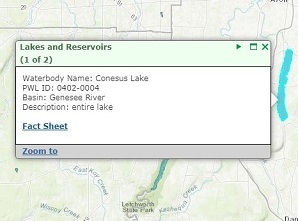
Among other uses, the public can:
To access the mapping application, visit the DECinfo Locator web page. Learn more about its features from the DECinfo Locator Tutorial on YouTube. |
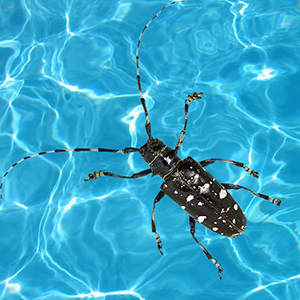 DEC encourages New York pool owners to participate in the Division of Lands and Forests' annual
  ALB are about 1.5 inches long, black with white spots, and have long black and white antennae.
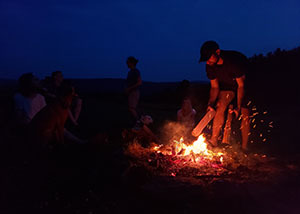 Did you know you can help protect New York State's forests with every campfire you build this summer (and always!)? Stop invasive pests and diseases by following the New York State Firewood Regulation. Stick to these quick tips, and
  DEC
DEC
|
The New York State Department of Environmental Conservation respects your right to privacy and welcomes your feedback | Update preferences or unsubscribe | Learn more about DEC Delivers. |
|
Connect with DEC:    
|
|
| Basil Seggos, Commissioner | |