Wildlife, Fish & Marine Life Newsletter
The New York State Department of Environmental Conservation sent this bulletin on 07/02/2019 12:23 PM EDT |
| DEC Delivers - Information to keep you connected and informed from the NYS Department of Environmental Conservation |
| Share or view as a web page || Update preferences or unsubscribe |
Wildlife, Fish, and Marine Life Newsletter |
DEC Hosts 29th Annual Hale Creek Field Day
The Hale Creek Field Station was established in 1978 by DEC, and the environmental chemistry lab at Hale Creek analyzes fish and wildlife for contaminants. The property is open to the public and has fish ponds and raceways stocked with trout and several miles of hiking trails. Fawn Rescue in Chenango County
It is illegal to possess wildlife. DEC would like to remind the public to let wildlife remain wild and observe from a distance. If you encounter a young wild animal that is injured or orphaned, call an ECO, a wildlife rehabilitator, or a Regional DEC Wildlife Office. State Lands to Visit: Bashakill Wildlife Management Area
Fishing, paddling, birding, and nature photography are all popular activities at the WMA. Trapping and waterfowl hunting are allowed but require a special permit, which can be obtained from the Region 3 DEC Office. The WMA has 15 miles of walking trails and several observation towers. There are two trailered boat launches and three hand launch sites. The site has several wheelchair-accessible features, including a fishing platform on South Road and a waterfowl hunting and wildlife observation blind on Haven Road. Read more about Bashakill WMA in the June issue of the Conservationist (PDF).
|
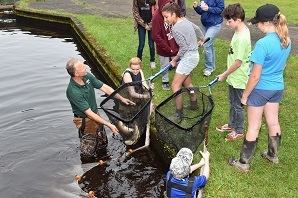 On June 20th, DEC hosted nearly 110 7th grade students from the Fonda-Fultonville Middle School and the Wheelerville School at the Hale Creek Field Station located in Gloversville, NY. The Hale Creek Field Day provides a hands-on experience for students to learn about environmental science, natural history, and what it means to live “green.” Participating students got their hands and feet wet and muddy as they learned about stream ecology, pollutants in fish and wildlife, and the impacts invasive species have on New York’s natural environment; identified fish, invertebrates, and amphibians; explored the local forest habitats; and just had some fun outdoors. Funding for student transportation to the event was provided by New York’s Office of Parks, Recreation, and Historic Preservation through the “Connect Kids to Parks Program.”
 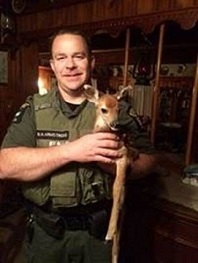 On June 7, Environmental Conservation Officer (ECO) Brett Armstrong received an anonymous complaint in the town of Otselic about the illegal possession of a white-tailed deer fawn. Using information on social media, ECO Armstrong confirmed the claim and visited the residence in question. The people at the home initially denied having the young deer but changed their story when confronted with photos posted online. The owner had found the fawn and brought it home to his family. The fawn was seized and transported to a wildlife rehabilitator for care and eventual release. Charges are pending for possessing the deer and could result in a fine of up to $250 and the possibility of up to 15 days in jail.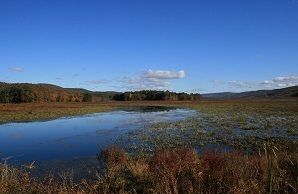
|
The New York State Department of Environmental Conservation respects your right to privacy and welcomes your feedback | Update preferences or unsubscribe | Learn more about DEC Delivers. |
|
Connect with DEC:    
|
|
| Basil Seggos, Commissioner | |