DEC's Office of Environmental Justice - 2018: A Year in Review
The New York State Department of Environmental Conservation sent this bulletin on 03/20/2019 09:00 AM EDT |
| DEC Delivers - Information to keep you connected and informed from the NYS Department of Environmental Conservation |
| Share or view as a web page || Update preferences or unsubscribe |
DEC's Office of Environmental Justice- 2018: A Year in Review |
Strengthening DEC’s Relationships with New York’s Indigenous Communities
Investing in Communities
Go to our website to learn more about our grants and recipients. Project UpdatesOperation ECO Quality: Canarsie
Facilities with instances of non-compliance received a minimum 30-day period to correct noted deficiencies and regulatory assistance to achieve that end. Two dry cleaning facilities chose to shut down based on the deficiencies DEC discovered. Both facilities have reopened under new ownership and are now in compliance. In some instances, additional time was needed to achieve compliance. Read the full article (PDF). South End Air Monitoring Program As of August 2018, DEC’s South End Air Monitoring Program collected a full year’s worth of data for the studied pollutants at the three fixed monitoring stations. DEC’s Division of Air Resources is currently analyzing the data to complete a final report and prepare for public presentations in the community. Next steps include working with partners to identify and implement strategies to reduce traffic impacts on air quality issues identified by the study. To learn more about this and other DEC air quality studies, visit our website. Action ItemsTonawanda Coke Closure Looking ForwardEnvironmental Justice and Just Transition Working Group The Environmental Justice & Just Transition Working Group was established by Governor Cuomo in 2017 to provide independent advice and recommendations to the state on matters relating to environmental justice and the transition of the state’s economy from fossil-fuel dependency, including the integration of environmental justice principles into state programs, policies, regulations, legislative proposals, and activities. Members of the Working Group include environmental justice and labor representatives. OEJ helps to facilitate and engage with the Working Group along with the Governor’s office and other state agencies. The Working Group is currently drafting recommendations for a statewide environmental justice policy, a climate justice roadmap, and an environmental justice mapping tool. |
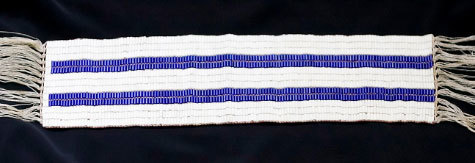 DEC meets with the governments of indigenous peoples to discuss issues of mutual concern, such as the quality of air and water resources, and impacts to cultural resources such as historic and archaeological sites. DEC conducts this outreach in accordance with Commissioner Policy 42 (CP-42): Contact, Cooperation, and Consultation with Indian Nations. DEC hosted its 4th Annual Meeting with the Indian Nations on November 14 and 15, at White Eagle Conference Center in Hamilton, New York. This meeting provided an opportunity for DEC and the nations to meet and learn from each other.
 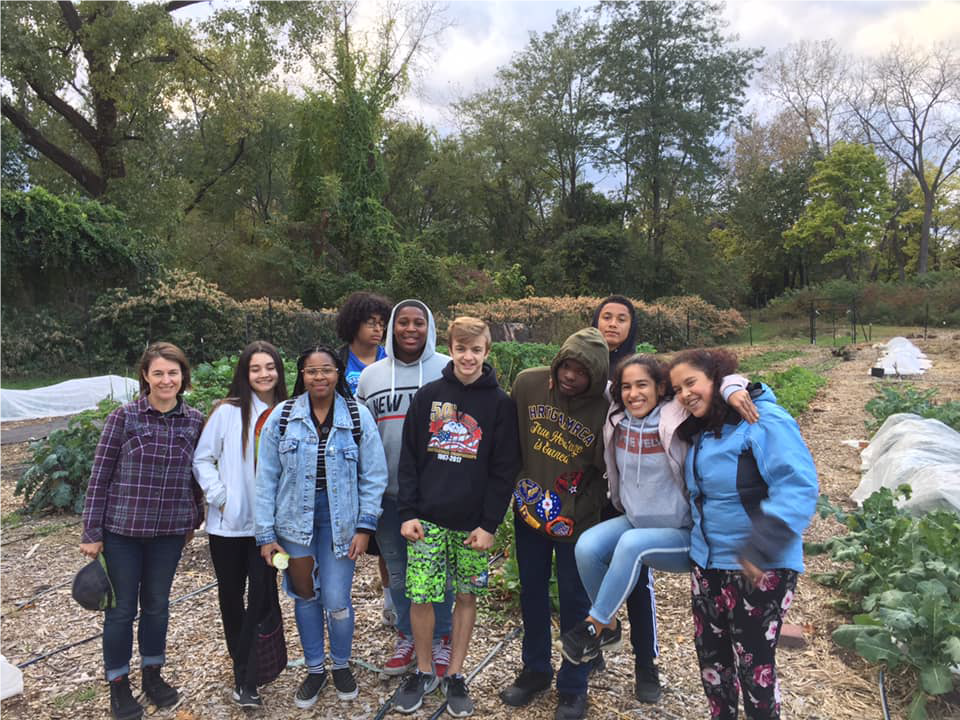 In 2018, DEC's Office of Environmental Justice (OEJ) further expanded its grants program to include Urban Environmental Education Centers, a funding opportunity that will support community-based organizations’ efforts to create new environmental education centers to provide education on environmental justice, urban environments, and sustainability.
|
The New York State Department of Environmental Conservation respects your right to privacy and welcomes your feedback | Update preferences or unsubscribe | Learn more about DEC Delivers. |
|
Connect with DEC:    
|
|
| Basil Seggos, Commissioner | |