
DEC Catskills Outdoor Recreation Bulletin - February 2019
The New York State Department of Environmental Conservation sent this bulletin on 02/01/2019 10:40 AM EST |
| DEC Delivers - Information to keep you connected and informed from the NYS Department of Environmental Conservation |
| Share or view as a web page || Update preferences or unsubscribe |
DEC Catskills Outdoor Recreation Bulletin - February 2019 |
|
This is a monthly newsletter providing information about a variety of outdoor recreational opportunities in the Catskills, including events, trail updates and advisories. Enjoy! Have a safe and enjoyable outdoor recreational experience on the lands and waters of the Catskills. Do your part to properly plan and prepare for your outdoor adventure. Minimize the impact on the mountains and forests, rivers and streams, ponds and lakes, and the wildlife of the Catskills. Together we can preserve these lands for future generations to come. Emergency Situations: If you get lost or injured; keep calm and stay put. If you have cell service, call the DEC Forest Ranger Emergency Dispatch; (518)-408-5850. Check the Catskills Backcountry Information for more detailed information on access, outdoor recreation infrastructure, and conditions for those planning to recreate in the Catskills. Check snow amounts and mountain weather conditions before heading out this weekend. This bulletin provides only the most recent notices. More information on hiking safety and what to pack. Weather forecasts and conditions can and do change quickly. Check the current National Weather Service Forecast, and be prepared for the forecasted conditions, or change your plans. Watch this video about winter hiking safety tips. Do you want to share your Catskill mountain story?We want to hear from you! Submit your Catskill winter photos for a chance to be featured in our Catskill Bulletin! Submissions should can be sent to stephanie.mossey@dec.ny.gov Catskill Interpretive CenterVisit The Catskill Interpretive Center on State Route 28 in the Town of Shandaken, Ulster County. This Catskill Mountain visitors center is operated by the Catskill Center for Conservation and Development, an Arkville, NY-based nonprofit, in partnership with the New York State Department of Environmental Conservation. Whether you're just passing through or here to stay for the summer, make us your first stop when you arrive in the Catskills. Our friendly staff is here every day with all the information, maps, and advice you need to plan your best Catskill adventure! From exhibits to nature trails and community events - there's something for everyone at the Catskill Interpretive Center! Visitors and residents alike will find new ways to connect with the nature, history and culture that makes this region so unique. Events:Discovery Walk at the CIC: Birding & Identification Join us for the first in a new series of winter Discovery Walks - all about birding! We’ll practice birding basics, use binoculars to get the best views, and keep a record of sighted bird species on our property. We'll introduce visitors to identification with field guides, as well as utilize eBird and iNaturalist. If you have your own set of binoculars, please bring them, otherwise we’ll have a small number of pairs to share. Since we’ll be outside for about an hour depending on weather conditions, don’t forget extra layers, hat, gloves, and scarf! Sunday, February 3, 2019
Catskill Mountain Kids is a year-round weekly daytime program series that celebrates the nature, history and culture of the Catskills. Each session will include some focused learning time, hands-on activities, and outdoor exploration. The program is geared for ages 4-7 but all are welcome. Please dress for the weather/being outside and the possibility of getting messy. Thursday, February 7, 2019 Highlighted Hike - Giant Ledge
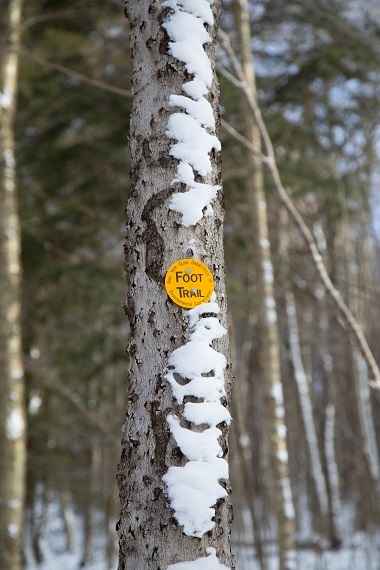
1.6 miles, 3.2 miles round trip, elevation gain: 1,100 feet The shortest and easiest route up Giant Ledge is from the Oliverea Road North (Giant Ledge Trailhead) Parking Area. Begin by crossing the road and following the yellow marked Phoenicia East Branch Trail east .75 miles until its juncture with the blue marked Giant Ledge-Panther Trail. Turn left, heading north .85 miles to the summit and excellent views to both the east and west. General Conditions/Notices
Practice Leave No TraceFollow proper trail etiquette to maintain minimal impact on the Plan Ahead and Prepare:
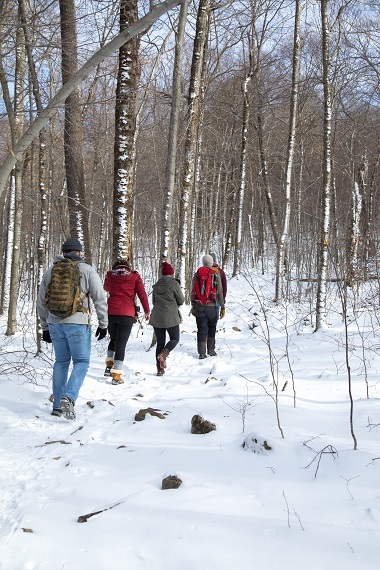
Snow does not contribute to the decomposition of human waste. If the snow is too deep to dig a cat hole, prepare to carry out your waste using a wag bag. A couple options include, biffy bags, and the rest stop II. Respect Wildlife: Winter is a vulnerable time for wildlife. It is crucial to keep a safe distance away and to respect the space of wild animals. Plan to store your food properly and always be sure to carry out all trash and food waste, including scraps. Keep pets on leashes to avoid negative wildlife encounters. Recent NoticesNotices below reflect recent changes in conditions and recreation infrastructure work completed by DEC and its partners. Check the Backcountry Information for the Catskills web pages for ongoing issues and more detailed information.
|

 environment and the natural resources of the Adirondacks, as well as ensure an enjoyable outdoor experience for all visitors by following the
  Dispose of Waste Properly:
|
The New York State Department of Environmental Conservation respects your right to privacy and welcomes your feedback | Update preferences or unsubscribe | Learn more about DEC Delivers. |
|
Connect with DEC:    
|
|
| Basil Seggos, Commissioner | |