Air Mail: Wildfire Smoke Monitoring
The New York State Department of Environmental Conservation sent this bulletin on 12/20/2018 03:19 PM EST |
| DEC Delivers - Information to keep you connected and informed from the NYS Department of Environmental Conservation |
| Share or view as a web page || Update preferences or unsubscribe |
|
|
This Month’s Topics:
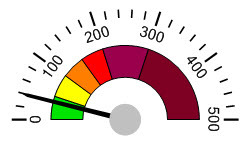
Banner photo credit: CathyJo Rogers, “Adirondack High Peaks, North Elba, NY.” Monitoring Air Quality for Your HealthNew York has your back by protecting citizens from harmful air pollutants. With year-round During the summer of 2002, wildfire smoke from Quebec caused very poor air quality throughout the state and much of the east coast. Even This year, California has seen some of the deadliest and most destructive wildfires on record. Thick smoke covered large areas of that state, including big cities like San Francisco and Sacramento. Air quality levels in these areas were among the worst in the world as the smoke plumes lingered close to the ground. With the California AQI readings exceeding 300 at times, residents in surrounding areas were advised to wear protective gear, like masks and respirators, and to stay indoors. Continuous air monitoring is essential for ensuring the public’s safety during poor air quality events like these. To learn more about the air quality in your area, check out ways to “stay informed about your air quality” below. Photo credit: Camnet hazecams George H.W. Bush’s Environmental LegacyMuch is written about Bush 41’s masterful foreign relations policies and actions but, in New The 1970 Clean Air Act was important but weak, as evidenced by the continuing poor air quality lingering decades after it was enacted. With New York governors and policy makers in the lead, the federal government began to accept the demands of the states and ultimately crafted and passed the Amendments. Air toxics and ozone depletion became genuine concerns. Acid deposition landed squarely in its own major subchapter in the Act: Title IV-A Acid Deposition Control.
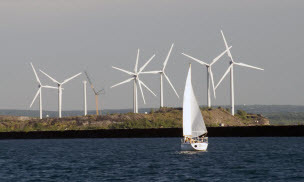
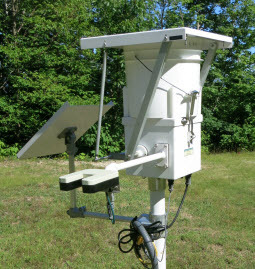
New York’s longstanding environmental leadership continues today as we face enormous challenges in climate change and its impacts, as well as the constant struggle to protect citizens from daily airborne contaminants. We will benefit from President Bush’s influential support for years to come, but will need to remain vigilant and proactive in addressing the threat and impacts of air pollution. Photo credit: Mark Webster, “Steel Winds, Lackawanna, NY.” Celebrating 40 Years of Acid Rain ResearchThe National Atmospheric Deposition Program (NADP), is celebrating its 40th anniversary this year. NADP is a collective that brings together government organizations, universities and other researchers who measure air pollution and wet deposition DEC staff from the Divisions of Air Resources (DAR) and Fish & Wildlife attended NADP’s Annual Scientific Symposium held in Albany this November. At the symposium, attendees enjoyed talks about cutting edge sampling techniques, air pollution trends and acid rain research, as well as a lively poster session at which DAR staff displayed research posters. Through organizations like NADP, DEC is able to collaborate across state and national borders to work on complex air pollution issues. Places like the Adirondack Park are seeing vast improvements in air and water quality, enabling fish and wildlife to return to previously acidified waters. Habitat improvements like this are thanks, in part, to NADP because of its ability to facilitate collaboration among researchers, policy makers and governmental organizations to effect large scale change. Congratulations on 40 years of great work improving our air quality NADP! DAR Rulemaking:
Dates to Remember:
Stay Informed about Your Air QualityNew York's ozone season runs from April through September. DEC publishes ground-level ozone forecasts during ozone season, and particulate matter pollution forecasts year-round using the Air Quality Index (AQI). DEC sends out an air quality alert when there is a high AQI value, which indicates polluted air. Individuals with pre-existing respiratory or cardiovascular conditions and people who exercise outdoors should take caution during an air quality alert. Find out if an Air Quality Alert is in effect by calling the toll-free Ozone Hotline: 1-800-535-1345. The AQI can be accessed in 3 ways:
On behalf of the Air Mail! team, we wish our readers a happy holiday season and a clean air 2019!We would like to know what you think. Please send your Air Mail! questions or comments to us at DAR.web@dec.ny.gov.
|
 monitoring of
 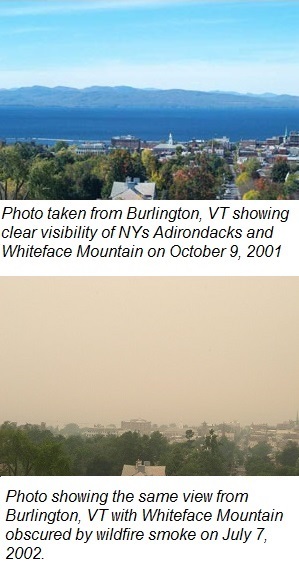 Whiteface Mountain experienced an AQI level of 240, making the air “very unhealthy” (in the purple range by today’s
  York and many other states, his support for protecting the environment was substantial and notable for its enduring effectiveness. The
  New York had already taken a leadership role in addressing acid rain. In 1984, Governor Mario M. Cuomo signed the
  (
(|
The New York State Department of Environmental Conservation respects your right to privacy and welcomes your feedback | Update preferences or unsubscribe | Learn more about DEC Delivers. |
|
Connect with DEC:    
|
|
| Basil Seggos, Commissioner | |