Hunting & Trapping Newsletter
The New York State Department of Environmental Conservation sent this bulletin on 11/01/2018 01:36 PM EDT |
| DEC Delivers - Information to keep you connected and informed from the NYS Department of Environmental Conservation |
| Share or view as a web page || Update preferences or unsubscribe |
Hunting & Trapping Newsletter |
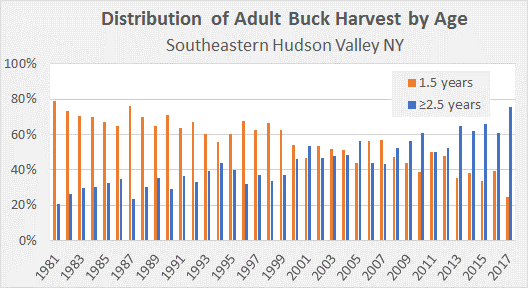
Deer Management Permits (DMPs) Still AvailableDEC reminds hunters that remaining Deer Management Permits (DMPs) are available in several Wildlife Management Units (WMUs) beginning Nov. 1. DMPs allow hunters to harvest extra antlerless deer and are issued for specific WMUs to control deer populations. In some WMUs, all applicants received permits during the initial application process, and we did not reach the DMP target. In these units, DEC has reopened the DMP application process on a first-come, first-served basis. Hunters may apply for up to two additional DMPs in these WMUs at any DEC license sales outlet starting today. Leftover DMPs are not available by phone, mail or internet. Hunters must apply at license issuing outlets. Applicants that previously paid the $10 DMP application fee during the initial application period, or who are exempt from the application fee, will not be charged for this additional application. Hunters that did not previously apply for a deer management permit are required to pay the $10 application fee. DEC will accept applications for leftover DMPs for the following WMUs: 1C, 3M, 3R, 3S (bowhunting-only), 7F, 7H, 7J, 7R, 8A, 8C (bowhunting-only), 8F, 8G, 8H, 8J, 8N, 8R, 9A, 9F, and 9G. For more information, visit the Deer Management Permits website. Small Game Seasons UnderwayHunting seasons for many small game species, like ruffed grouse, pheasant, rabbit, squirrel, and wild turkey, are currently underway. Hunting and trapping seasons for bobcat, raccoon and fox, and trapping seasons for fisher and mink began in some regions of the state on October 25th. Be sure to check your Hunting and Trapping Regulations Guide for the season dates and regulations for your area. Wild turkey hunting in the Southern Zone began October 20th and runs through Nov. 2nd. Hunters are required to have a turkey permit, and the statewide season bag limit is one bird of either sex. Remember, harvest reporting is critical to wildlife management, and by regulation, hunters must report their harvest of a turkey within seven days of taking the animal. DEC encourages hunters to, "Take it, tag it, and then report it." Trappers should note special permit requirements are required for fisher and marten trapping seasons. Fisher season began on October 25th in many WMUs and fisher and marten season began today in the Adirondacks. All fisher and marten trappers must obtain a special, free permit from their regional wildlife office, submit a trapping activity log, and submit the skull or jaw from harvested fishers and martens. DEC’s wildlife managers rely on the information supplied by trappers to help manage populations of these popular furbearers. To obtain a free fisher or fisher/marten permit, trappers should contact their regional wildlife office or apply by e-mail at wildlife@dec.ny.gov. Only one fisher or fisher/marten permit is needed to trap these species anywhere in New York where the season is open. For more information, see page 54 in the Hunting and Trapping Regulations Guide. As always, please follow the basic rules of hunter safety to protect yourself and other hunters this season. Hunters Voluntarily Choosing to Pass Up Young Bucks Pays DividendsIn the southeastern Hudson Valley (Wildlife Management Units 3F, 3G, 3N, and 4Z), the proportion of older bucks in the deer harvest has never been higher. In 2017, three out of every four antlered bucks were 2.5 years old or older, and this remarkable accomplishment happened with hunters freely able to choose what type of buck they want to harvest.
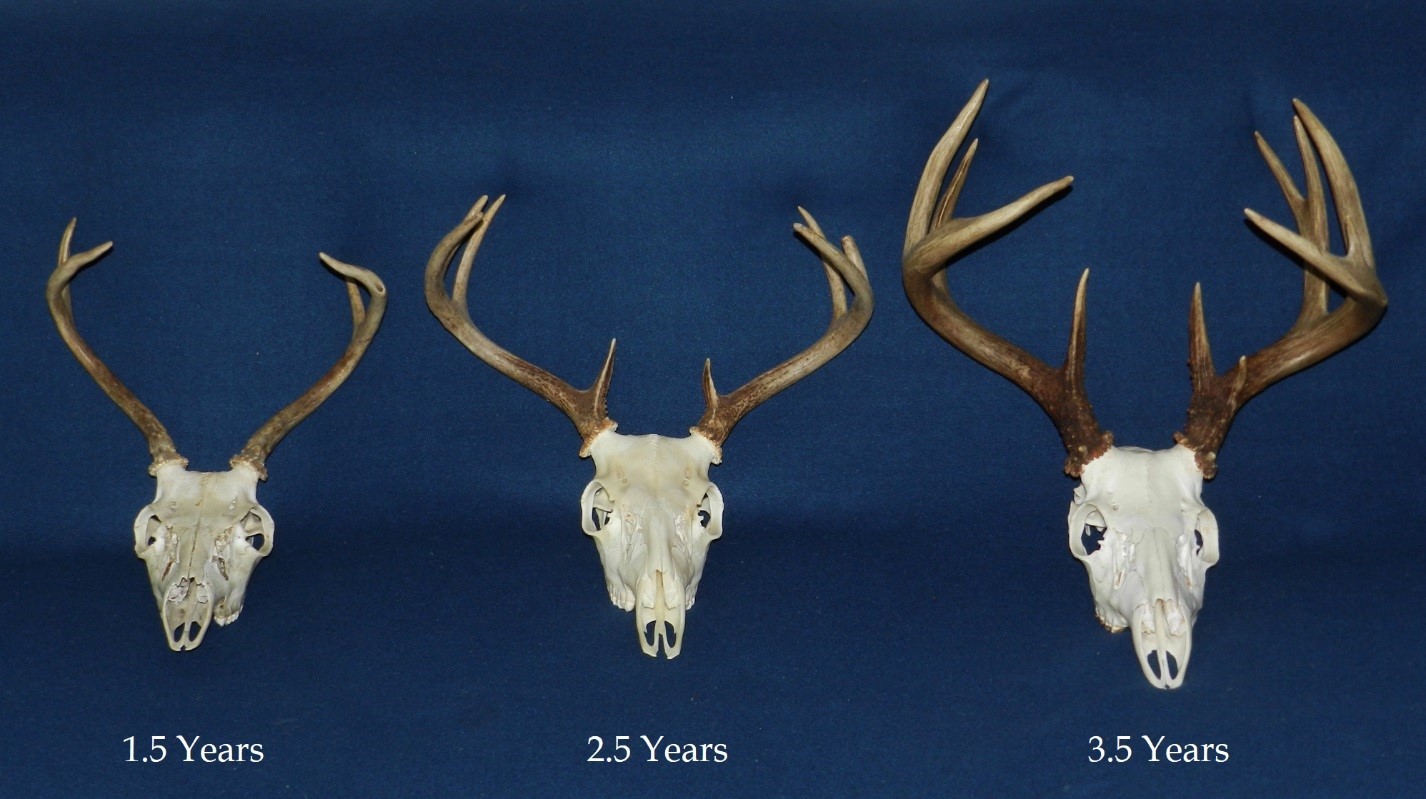
For decades, hunters in this area were accustomed to taking mostly small-bodied, small-antlered yearling bucks, and these 1.5-year-old bucks comprised 65-75 percent of the buck take each year. Around 2000, that tradition really began to change. By 2008, the balance had solidly tipped towards older bucks with more than 50 percent of the annual buck take being 2.5-years or older with larger bodies and larger antlers. In recent years, the ratio has fully flipped with 65-75 percent of bucks being older-aged bucks.
To be sure, other things have happened with this deer population. Overall, there are fewer deer in this area than 20 years ago, and as a result, hunters are seeing and taking fewer deer than they did previously. However, the smaller population size doesn’t explain the shift towards older bucks in the harvest. Some might suggest the shift towards older bucks is due to fewer hunters or reduced harvest rate which could result in greater survival of young bucks. While we don’t have data specific to these variables for the southeastern Hudson Valley, we know the number of deer hunters statewide has been fairly stable for the past decade. Too, we can reasonably assume that if shifts in hunting pressure and harvest rate were the primary driver affecting buck age structure, the same would be true for the adult does. However, the proportion of older does in the female deer harvest has stayed virtually unchanged for the past 40 years. We know many hunters in New York are voluntarily opting to pass up shots at young, small-antlered bucks. The effects of hunter choice in the southeastern Hudson Valley are dramatic and a great example for hunters everywhere of what can be accomplished when hunters choose to Let Young Bucks Go and Watch Them Grow!
|

|
The New York State Department of Environmental Conservation respects your right to privacy and welcomes your feedback | Update preferences or unsubscribe | Learn more about DEC Delivers. |
|
Connect with DEC:    
|
|
| Basil Seggos, Commissioner | |