Saltwater Fishing & Boating Newsletter
The New York State Department of Environmental Conservation sent this bulletin on 10/11/2018 05:58 PM EDT |
| DEC Delivers - Information to keep you connected and informed from the NYS Department of Environmental Conservation |
| Share or view as a web page || Update preferences or unsubscribe |
Saltwater Fishing & Boating Newsletter |
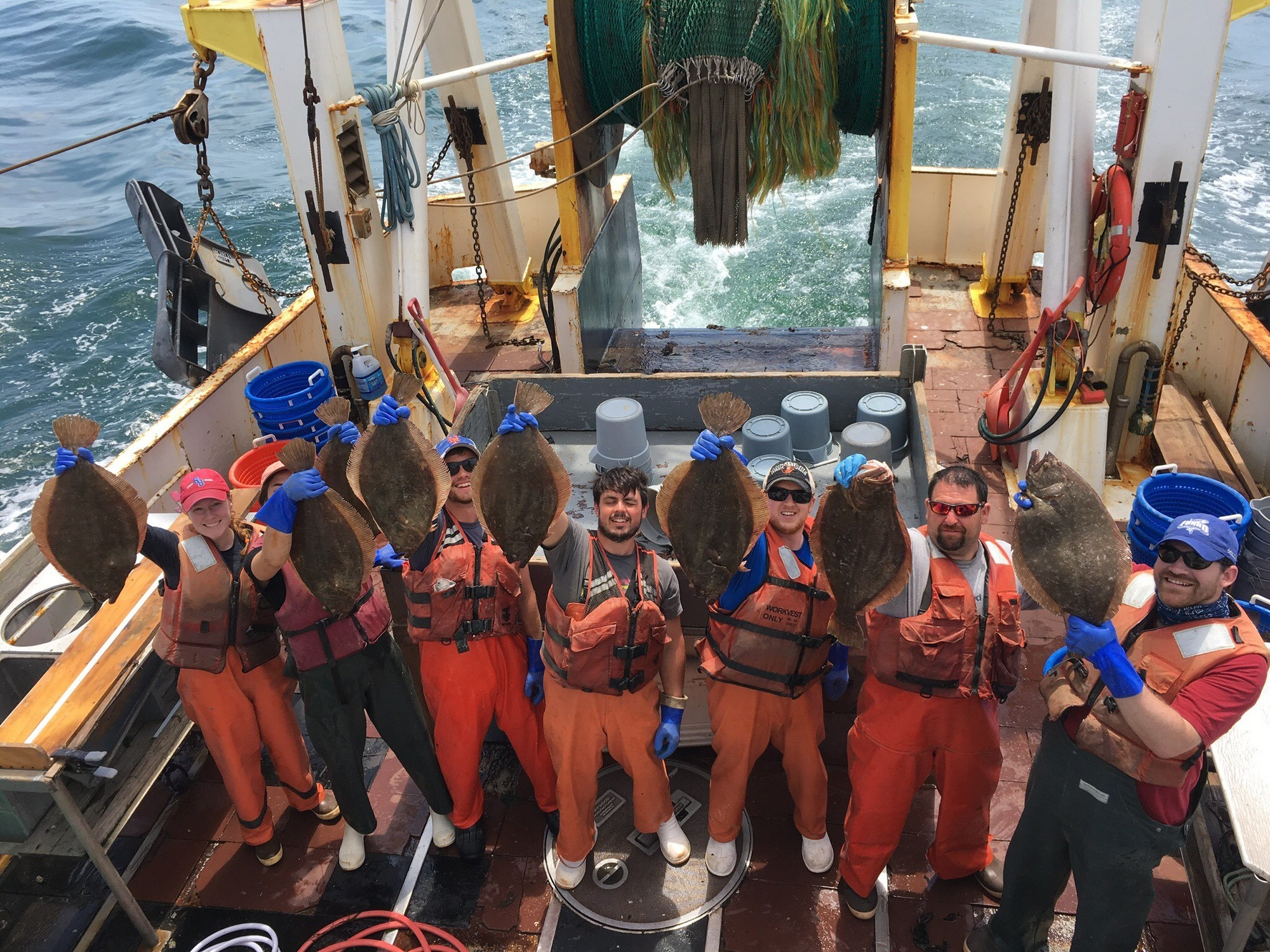
Atlantic Ocean Trawl SurveyThe NYSDEC Ocean Trawl Survey has been ongoing since October 30, 2017, and studies the diverse fish populations in the nearshore waters of the Atlantic Ocean, from Breezy Point to Block Island Sound. This survey is conducted year-round to collect biological information focusing on adult and sub-adult marine life stages, as well as tagging adult striped bass in the fall when they migrate through our marine waters.
A trawl is a cone-shaped net that is pulled behind a boat and positioned to move parallel to the seafloor. A trawl survey allows researchers to take a ‘snapshot’ of marine life that exists near the sea floor, deep below the ocean’s surface. Species that are encountered near the ocean floor include commercially important species such as fluke (summer flounder), winter flounder, scup, and Atlantic cod. Additionally, a variety of skate, ray and shark species have also been observed during the survey. Throughout 2018, little skate (Leucoraja erinacea) and winter skate (Leucoraja ocellata) have been the most abundant species collected in the trawl by weight (also referred to as biomass). Other commonly caught species are windowpane flounder, northern sea robins, Atlantic herring, and smooth dogfish. Some species such as fluke and winter flounder undergo migrations resulting in higher abundances during certain times of the year. For example, fluke is seen in large numbers in the summer and rarely seen in the winter months of our survey.
All fish that are caught during the survey are counted, weighed, and returned to the water with minimal handing and disturbance. This biological data, along with additional physical and chemical data, provides researchers and managers a better understanding of long-term trends and indicators of the health of our ocean, and will help support future monitoring programs. For more research relating to ocean indicators, visit Ocean Monitoring Projects. Celebrate National Seafood MonthOctober is National Seafood Month and an opportunity to recognize the importance of sustainable and science-based fisheries and aquaculture management. Whether you chose to get your seafood from the market or by rod-and-reel, be sure to dive in to locally-sourced seafood this month! Visit NOAA’s FishWatch, to learn more about the current status of local and national fisheries, and ensure you’re making sustainable seafood choices. Some local favorite fish selections include the New York State saltwater fish, the striped bass, and other local species such as fluke, bluefish, black sea bass, or scup! If you prefer to celebrate National Seafood Month with shellfish, Long Island’s well-known scallops, clams or oysters are worth a trip to a local seafood market. Visit Cornell Cooperative Extension’s website, Choose Local F.I.S.H., to learn more about New York’s seafood options and where to find local, fresh fish and shellfish! FLUPSYs Installed in the South Shore Estuary Reserve
NYS Seafood Industry Roundtable MeetingsThe commercial fishing industry has been an institution in New York since before the state was founded, particularly on Long Island and in New York City. Today, the seafood industry in New York State continues to play a critical role in our State's economy, and is especially important in our local coastal communities. Acknowledging the importance of the seafood industry, DEC along with the Department of Agriculture and Markets, Empire State Development, and the Department of State, will conduct a series of roundtable meetings to discuss and consider all relevant seafood industry issues in New York. Below is a list of upcoming roundtable meetings: Wednesday, October 17, 2018, 6 p.m. - 8 p.m. Tuesday, October 23, 2018, 6 p.m. - 8 p.m. For more information about these meetings and how to submit stakeholder feedback, visit New York Seafood Industry Roundtable Meetings. Ocean Acidification Task Force MeetingThe New York Ocean Acidification Task Force will hold its first meeting to work toward assessing impacts of acidification on the ecological, economic, and recreational health of New York's coastal waters, identifying contributing factors, and recommending actions to reduce and address negative impacts. The Task Force’s meeting will take place on Thursday, November 1st, at Stony Brook University's South Campus, 120 Endeavour Hall, from 6:30 p.m. to 8:30 p.m. (Google Maps). Ocean acidification occurs when increased levels of atmospheric carbon dioxide, runoff, and/or nutrient influx from land cause the formation of carbonic acid, making the ocean increasingly acidic. This acidity can adversely affect many of the marine animals that call this environment home and on which an important part of our economy relies. Unfortunately, the current rate of change of ocean acidification is faster than any time on record, and New York’s ocean and coastal water environment has the potential to be particularly vulnerable.
All are welcome to observe as the Task Force introduces its members, reviews the purpose of the ocean acidification legislation, and hears from ocean acidification experts. The public will also have an opportunity to comment on the proceedings. For more information about the Task Force Meeting, visit Ocean Acidification Task Force. Important DatesSustainable Shorelines Designs WebinarThe Hudson River National Estuarine Research Reserve (HRNERR) will be hosting a webinar about the ecological function of shorelines on Friday, October 19 at 2 p.m.This talk will review general principles for improving ecological values of shorelines, and discuss challenges in scientific understanding. It will also review some of our attempts to inform and influence the practice of shoreline management, including brochures, fact sheets, and decision-support tools. To learn more about shorelines of the Hudson River and in New York City, watch this short video on Sustainable Shorelines. To register for the webinar, visit Sustainable Shorelines Designs Webinar Series. Atlantic States Marine Fisheries Commission (ASMFC) 2018 Annual Meeting New York State is hosting ASMFC’s 77th Annual Meeting at The Roosevelt Hotel in New York City (Google Maps). The meeting kicks-off on October 21st and continues through October 25th. All of the business meetings scheduled during this week (with the exception of closed sessions) are open to the public, free of charge. If you plan on attending any of the annual meeting social events, please submit a registration form (PDF). For more information and a preliminary agenda of meetings, visit ASMFC 2018 Annual Meeting. The State of the Science Workshop on Wildlife and Offshore Wind Energy Development The first State of the Science Workshop, hosted by the New York State Energy Research and Development Authority (NYSERDA), is bringing together stakeholders engaged with environmental and wildlife research relevant to offshore wind energy development. When:
Where: Registration for the workshop is $95, which includes attendance and lunches on both days of the workshop, and attendance at the evening poster session. Registration closes on November 5th. For the meeting agenda, registration information, and travel/lodging information, visit the workshop website at: www.briloon.org/offshorewindny/workshop. |
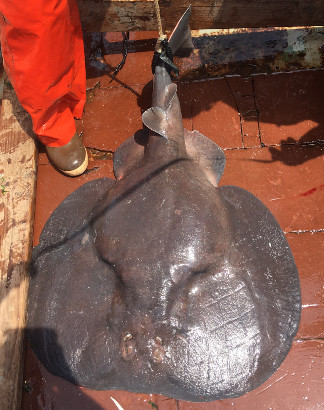 Skates are flat-bodied cartilaginous fish with large pectoral fins, and are closely related to rays and sharks. Rays, which are less common in our waters compared to skates, have also been collected during our survey including an Atlantic torpedo ray (Torpedo nobiliana). Torpedo rays are a species of electric ray, which are equipped with organs capable of producing an electric shock. Like other electric fish, electric rays use this ability to attack prey and as a defense mechanism against predators. The electric shock can be dangerous to humans due to its ability to disorient or possibly cause loss of consciousness. Always remember to be aware and stay alert when handling rays.
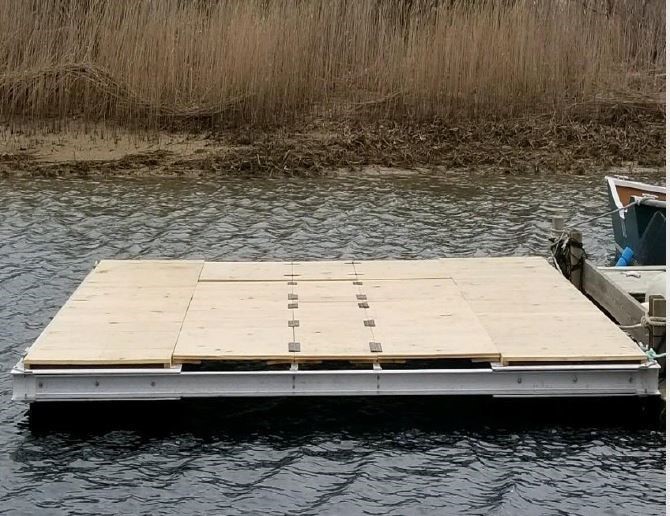 Four Floating Upwelling Systems (FLUPSYs) were installed in the South Shore Estuary ReserveFLUPSYs2 as part of the
 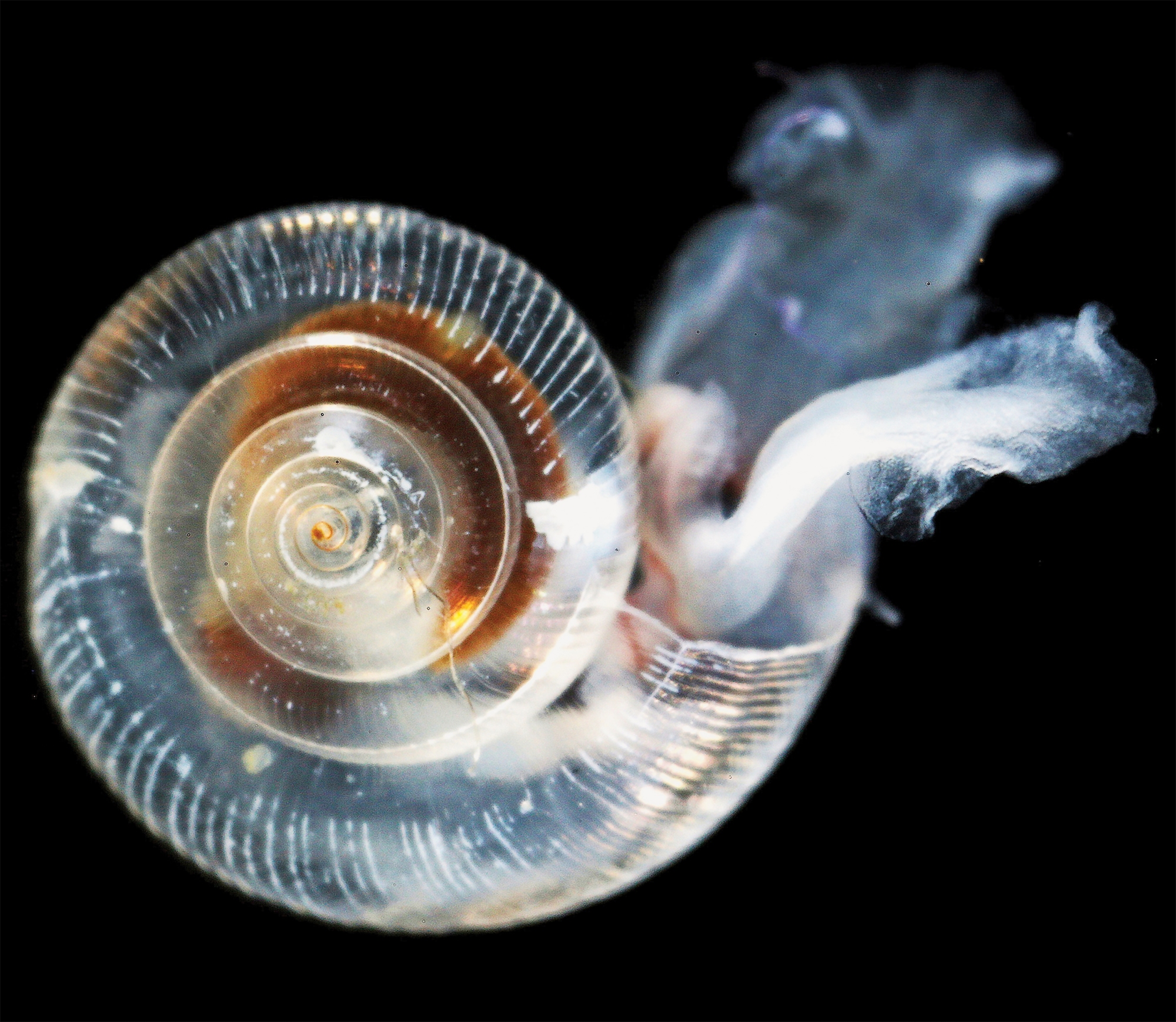 The Ocean Acidification Task Force has been established to ensure that the best available science is used to assess and respond to this emerging threat to New York’s marine waters and fisheries. The Task Force is comprised of 11 appointed members, including experts in climatology, hydrology, economics, marine fisheries, aquaculture, oceanography and ecology. As per the legislation that created the task force, these members have been appointed by Governor Andrew M. Cuomo, the State Senate, the State Assembly, New York City, and Nassau and Suffolk counties, as well as representatives of the New York State Department of State and the Office of General Services. As the lead agency, DEC’s appointee, James F. Gennaro, will chair the Task Force. Additionally, the
|
The New York State Department of Environmental Conservation respects your right to privacy and welcomes your feedback | Update preferences or unsubscribe | Learn more about DEC Delivers. |
|
Connect with DEC:    
|
|
| Basil Seggos, Commissioner | |