Wildlife, Fish and Marine Life Newsletter
The New York State Department of Environmental Conservation sent this bulletin on 08/15/2018 10:40 AM EDT |
| DEC Delivers - Information to keep you connected and informed from the NYS Department of Environmental Conservation |
| Share or view as a web page || Update preferences or unsubscribe |
Wildlife, Fish and Marine Life Newsletter |
180 acres Added to Washington County Grasslands Wildlife Management Area
The WMA is home to more than 100 bird and animal species, including wintering snowy owls and state endangered short-eared owls. The area also provides critical habitat to 10 of the 11 grassland bird “species of greatest conservation need,” including northern harriers, upland sandpipers, eastern meadowlarks, horned larks, and American kestrels. DEC plans to construct two parking areas and a half-mile trail, as well as install directional and educational signage on the parcel. In addition, an ADA-accessible viewing blind will be constructed on another part of the WMA. The newly acquired lands will be open to hunting during open hunting seasons. Read more about Washington County Grasslands WMA in the February issue (PDF, 13.2 MB) of the Conservationist. Management of Double-crested Cormorants in New York
Photo by Marcelo del Puerto. DEC to Discuss Managing Wildlife on Doodletown Wildlife Management Area
Tuesday, August 28, 6 p.m. - 7:30 p.m. DEC staff will be available for questions from 6 p.m. to 6:30 p.m., followed by a formal presentation at 6:30 p.m. Stop by and learn how DEC plans to manage habitat for wildlife at this property. The meeting facility is wheelchair accessible. Please contact Selinda Brandon at 607-652-2302 with any specific requests for accommodations. View what activities you can do at this property by clicking on the link above. Hunting and Trapping Education CoursesIf you are a first time hunter and are planning to hunt this season on State lands and other areas throughout New York, sign up for mandatory hunting and trapping education courses now. Check out DEC's Hunting and Trapping Newsletter published yesterday for more information, or sign up to receive regular issues of this newsletter. New Marine Habitat at Hempstead Reef
A map, site coordinates and additional information on New York's artificial reefs are available (PDF) to plan trips to a New York State reef site. Before visiting one of New York's artificial reefs, please be familiar with the current NYS Recreational Saltwater Fishing Regulations. View DEC's artificial reef building video on YouTube, or learn more about our volunteer observation program.
|
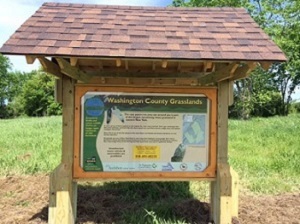 New York State has purchased 180 acres of land
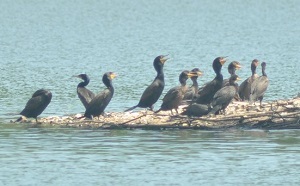 Double-crested cormorants
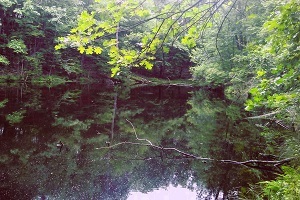 DEC will host an open house to share details about a recently completed management plan for
  Governor Cuomo recently announced
|
The New York State Department of Environmental Conservation respects your right to privacy and welcomes your feedback | Update preferences or unsubscribe | Learn more about DEC Delivers. |
|
Connect with DEC:    
|
|
| Are you registered to vote? Register to vote or update your information online today or search your voter registration status.. | |
| Andrew M. Cuomo, Governor * Basil Seggos, Commissioner | |