|
Have a safe and enjoyable outdoor recreational experience on the lands and waters of the Adirondacks. Properly plan and prepare for your outdoor adventure. Minimize the impact on the mountains and forests, rivers and brooks, ponds and lakes, and the wildlife of the Adirondacks.
Check the Backcountry Information for the Adirondacks web pages for more detailed information on access, outdoor recreation infrastructure, and conditions for those planning to recreate in the Adirondacks. This bulletin provides only the most recent notices.
Emergency Situations: If you get lost or injured, keep calm and stay put. If you have cell service, call the DEC Forest Ranger Emergency Dispatch (518-891-0235). Stay warm and dry by separating yourself from the wet ground with a thicker layer such as your pack. Protect yourself from the elements by building a shelter with items around you and in your pack. Use a space blanket for extra warmth.
Muddy Trail Advisory: Help avoid damage to hiking trails and sensitive high elevation vegetation by avoiding trails above 2,500 feet, particularly high elevation trails in the Dix, Giant, High Peaks, McKenzie Mountain, and Sentinel Range Wilderness areas in the northern Adirondacks. Avoiding these trails during the Muddy Trail Advisory helps to alleviate impacts to the trail tread and adjacent areas. Saturated, thin soils and steep grades combined with hikers trying to get traction lead to increased impacts to the trail corridors during the shoulder seasons. Snow and ice “monorails” are difficult to hike on, resulting in users widening trails.
Would you like your photo shared in our weekly bulletin? Send us your photos that represent current backcountry conditions in the Adirondacks. Send in your photos with your name and photo location/brief description to Info.R5@dec.ny.gov.
Plan
Weather forecasts and conditions can and do change quickly. Check the current National Weather Service Forecast and be prepared for the forecasted conditions or change your plans.
-
June 8-10 Adirondack events: Early June kicks off a very busy summer full of great events throughout the Adirondack Park. Here are a few to be aware of this coming weekend;
-
23rd Annual Black Fly Challenge, Inlet, NY: Saturday, June 9th - 10:30 a.m. to 4 p.m. at Arrowhead Park. The route of this bike race includes the full length of the Limekiln Lake-Cedar River Road (aka Moose River Plains Road). Visitors to the Moose River Plains are advised to avoid the road (pdf file) between 10:30 a.m. and noon, and to be alert for bicyclist on the road after noon.
-
14th Annual Lake Placid Half Marathon & Marathon, Lake Placid, NY: Sunday, June 10th – 8 a.m. to 2 p.m. at the Olympic Oval. The course route includes Mirror Lake Drive and Main Street in the village of Lake Placid and State Route 73 and River Road. Be aware of road closures and traffic delays along the route.
-
Americade, Lake George, NY: June 4-June 9. Watch for groups and individual motorcyclists traveling throughout the Adirondacks this weekend. Expect traffic delays in and around Lake George.
-
Watch out for cyclists: Adirondack roadways are shared by all. Cyclists training for the annual Lake Placid Ironman in late July are utilizing Route 86 between Jay and Lake Placid, Route 73 between Lake Placid and Keene, and Route 9N between Keene and Jay as part of their training course. Please use caution and drive slowly, especially through the Cascade Lakes area and the Wilmington Notch where the road becomes very narrow and there is little to no shoulder. Vehicles should always be aware and keep an eye out for cyclists on all roads in the Adirondacks. Parking along the side of the road removes access to safe shoulders for cyclists who are sharing the roadways. Please park ONLY in designated parking areas along roadsides and at trail heads.
-
Black Flies: The transition from spring to summer means black fly season. Wear clothing that fully covers your body, use bug spray where you are not protected, and bring/wear a bug net to protect yourself from black flies. Wear light-colored clothing. Flies are attracted to dark colors.
Prepare
Properly prepare to better ensure a safe and enjoyable spring recreation experience.
-
Parking along the side of the road removes access to safe shoulders for cyclists who are sharing the roadways. Please park ONLY in designated parking areas
 along roadsides and at trailheads: Plan for busy trailheads and limited parking from now until the end of the fall months. Parking areas fill up quickly and early. Please avoid parking on the shoulder of busy highway roads for safety purposes. Be aware of visitors crossing roads. Do not block driveways, roadways, or roads from emergency vehicles or local residents. along roadsides and at trailheads: Plan for busy trailheads and limited parking from now until the end of the fall months. Parking areas fill up quickly and early. Please avoid parking on the shoulder of busy highway roads for safety purposes. Be aware of visitors crossing roads. Do not block driveways, roadways, or roads from emergency vehicles or local residents.
-
Longer, Hotter Days: As summer approaches and longer hotter days are more frequent, plan for hydration along your adventures. Bring at least one liter of water on any trip, and plan to bring more depending on length and temperature. Plan out water sources along your trip where you can refill your container using a water filter. Hydrating properly will allow for a more enjoyable experience and will help you avoid overheating or heat sickness on your adventure. Always bring UV protectant clothing, sunglasses, and ChapStick, as well as plenty of sunscreen.
-
Bear Canisters: Bear resistant canisters are the most effective means for preventing bears from obtaining food while you are camping. Black Bears in the Eastern High Peaks Wilderness have regularly defeated bear resistant canisters made of clear plastic. Choose a dark coated bear canister where food is not visible inside. The use of bear-resistant canisters is required for overnight users in the Eastern High Peaks Wilderness between April 1 and November 30. All food, toiletries and garbage must be stored in bear-resistant canisters. (6 NYCRR Section 190.13). Vist DEC's website to learn how to use a bear resistant canister.
Practice Leave No Trace
 Follow proper trail etiquette to maintain minimal impact on the environment and the natural resources of the Adirondacks, as well as ensure an enjoyable outdoor experience for all visitors by following the Seven Principles of Leave No Trace. Follow proper trail etiquette to maintain minimal impact on the environment and the natural resources of the Adirondacks, as well as ensure an enjoyable outdoor experience for all visitors by following the Seven Principles of Leave No Trace.
- Plan Ahead and Prepare (Principle #1):
- Become a more environmentally friendly camper by using these packing and preparation tips;
- Bring reusable containers for storing leftovers to ensure no food goes to waste.
- Prior to your trip, re-pack any food you are bringing along in reusable containers.
- Reusable cooking utensils and reusable or recyclable dishes cut down on the amount of trash generated.
- Reusable mugs, cups, or bottles that can easily be rinsed or washed cut down on plastic waste. If it's necessary to use plastic, remember to recycle those items.
- Consider using biodegradable/earth-friendly dish soap, sponges, and water basins. Do your dishes at least 150 feet away from any body of water.
- Bring non-toxic sunscreen and bug spray that won't harm waters, plants and wildlife.
- Travel on Durable Surfaces (Principle #2)
- Avoid damaging hiking trails and sensitive trail side vegetation and habitats. Wear waterproof hiking boots and clothing that can withstand mud and water. Walk through - not around - mud and water on trails. Walk single file directly down the center of the muddy trail to protect the integrity of the trail.
- Be Considerate of Other Visitors (Principle #7)
- Be courteous of others while recreating regardless of their activity, speed, or skill level. Hike in single file, especially when approaching other hikers. Stay to the right and pass on the left when safe and appropriate. Allow faster hikers to pass. When approaching other hikers from behind, politely let them know of your presence and desire to pass.
General Conditions/Notices
Learn the conditions you will encounter from Adirondack Backcountry Information.
Hikers and Campers
- Trail Conditions
- Trails are muddy from melting ice and snow above 2,500 feet elevation.
- DEC’s Muddy Trail Advisory remains in effect. DEC advises hikers to avoid trails above 2,500 feet elevation in the High Peaks Region.
- Trails below 2,500 feet elevation are mainly dry except in low areas, drainages, and along water bodies.
- Avoid damaging hiking trails and sensitive trail side vegetation and habitats.
- Wear waterproof hiking boots and let them get dirty.
- Stay in the center of trails.
- Walk through mud and water.
-
Mountain Summits: Avoid trails above 2,500 feet in the High Peaks Region. Elsewhere, remember temperatures will be colder and winds will be stronger. Check the National Weather Service Mountain Point Forecasts for selected summits.
-
Bear Resistant Canisters: The use of bear-resistant canisters is required for overnight users in the Eastern High Peaks Wilderness between April 1 and November 30. All food, toiletries and garbage must be stored in bear-resistant canisters. DEC encourages the use of bear-resistant canisters and other practices to avoid negative encounters with bears throughout the Adirondacks.
Boaters, Paddlers, and Anglers
-
Water Levels: Water levels are within the average range or are below average levels
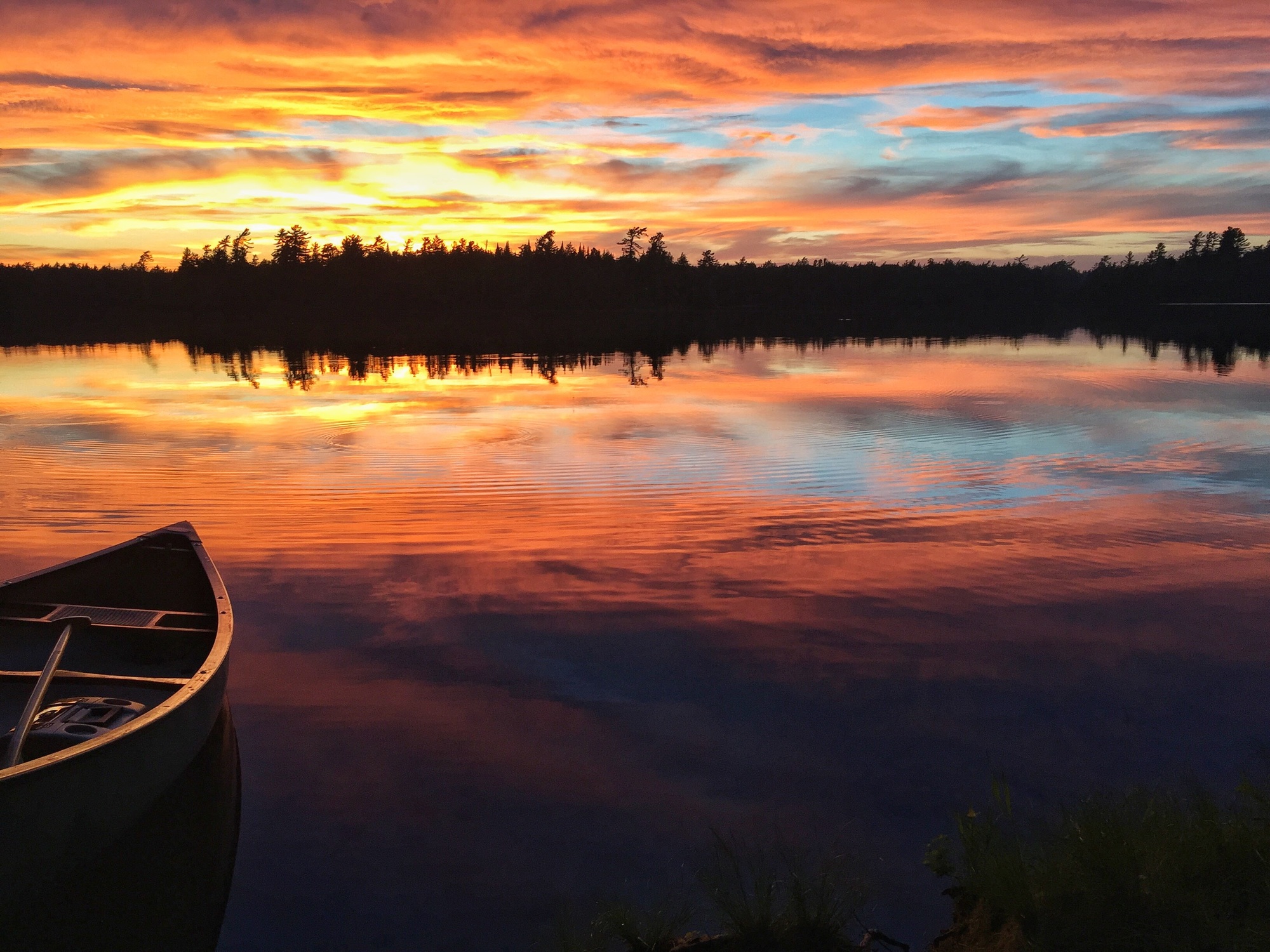 for this time of year. See the USGS Current Water Data for New York for stream flow of selected waters. for this time of year. See the USGS Current Water Data for New York for stream flow of selected waters.
-
Water Temperatures: While water temperatures are warmer in shallow bays and shallow, small lakes and ponds, water temperatures remain cold in large, deep lakes, rivers and streams – even on warm days. Paddlers and boaters should wear a Personal Flotation Device (PFD, aka Life Jacket)! People immersed in cold waters can quickly become hypothermic and lose the ability to swim and keep their head above water. Anglers fishing from shore or wading in fast flowing streams should wear a PFD.
Rock Climbers
All
-
Fire Danger Rating: Low. Check the current fire danger map.
-
Biting Insects: Bug Season in the Adirondacks is in full swing. Expect to encounter black flies, mosquitoes, and no-see-ums (biting midges) when outdoors. Follow these steps to minimize the nuisance of biting insects.
- Wear light colored clothing.
- Wear long sleeve shirts; tuck shirts into pants and button or rubber band sleeves at the wrist.
- Wear long pants and tuck the bottom of pant legs into your socks.
- Pack a head net to wear when insects are thick.
- Use an insect repellant with DEET. Follow label directions.
-
Seasonal Access Roads: Most seasonal access roads in the Adirondacks are open, however, some remain closed for mud season.
- See the Specific Notices section below for the roads that remain closed.
- Seasonal access roads will remain closed until they have dried and hardened, and all needed repairs and maintenance are completed.
- Seasonal access roads are dirt and gravels roads that can be rough.
- Four-wheel drive SUVs, pick-up trucks, and other high clearance vehicles are recommended for driving on these roads.
Specific Notices
Notices below reflect recent changes in conditions and recreation infrastructure work completed by DEC and its partners.
- High Peaks Wilderness:
- The lands of the Dix Mountain Wilderness are now part of the High Peaks Wilderness. DEC will be changing signs, web pages, and regulations to eliminate the Dix Mountain Wilderness and transition to the High Peaks Wilderness.
- DEC is seeking a trail crew supervisor and trail crew laborers to work in the backcountry of the High Peaks Wilderness as part of DEC High Peaks Trail Crew. The trail crew will spend the week camping out in tents (or a lean-to) or staying at one of DEC’s Interior Outposts. Most of the projects are located six miles from the nearest road and will require a strenuous hike with heavy pack to get to and from the work site. Tasks will include hardening tent sites, relocating privies, installing turnpiking, rock and drainage work, bridge building, and clearing blow down. Email Info.R5@dec.ny.gov for a full job description and application instructions. Be part of the effort to maintain and protect the High Peaks Wilderness.
- DEC’s Muddy Trail Advisory remains in effect. DEC advises hikers to avoid trails above 2,500 feet elevation in the High Peaks Region. Ice and snow may be present above 3,500 feet.
- Gulf Brook Road is open to public motor vehicles to Fly Pond Gate (Parking Lot #8 on Interim Access Plan Map) which is approximately 3.2 miles from Blue Ridge Road, 2.5 miles from LaBier Flow, and 3.5 miles from Boreas Ponds. The road is rough and narrow – four-wheel drive SUVs, pick-up trucks, and other high clearance vehicles are recommended.
- Mr. Van Lean-to on the Mr. Van Ski Trail has been repaired and can be used.
- Blow down has been cleared from the Phelps Trail in Upper Johns Brook Valley.
- Elk Lake Road is open for public motor vehicle use to the trailhead parking area.
- The trail to Little Porter Mountain from the Garden Trailhead will close beginning June 1. The portion of the trail crossing private land has been closed to public use by the landowner. Trespassing on those lands is now prohibited. The summit of Little Porter Mountain can still be accessed from the Marcy Field Trailhead or the Cascade Mountain Trailhead.
-
Lake Flower Boat Launch: The boat launch is open but due to a clean-up project removing contaminated sediments from Lake Flower’s Pontiac Bay, no parking is available on site. Alternate parking is available for vehicles with boat trailers.
- Moose River Plains:
- The Black Fly Challenge bike race is on Saturday, June 9 between 10:30 a.m. and 4 p.m. The race route includes the Limekiln Lake-Cedar River Road (aka Moose River Plains Road). Visitors to the Moose River Plains are advised to avoid the road between 10:30 a.m. and noon and to be alert for bicyclists on the road after noon.
- Rock Dam Road remains closed to public motor vehicle access.
- Five Ponds Wilderness:
- A 10-mile section of the Oswegatchie River from High Falls downstream to the Inlet Hand Launch (Inlet Road) has numerous fallen trees across the river which may make passage difficult. Paddlers should portage around downed trees whenever possible.
- An 800-foot portion of the High Falls Loop (part of the Cranberry 50) has been rerouted to avoid a dangerous log crossing of a beaver dam. The new route has been signed and blow down has been removed. It is located approximately 0.6 miles east of High Falls.
-
Ha-De-Ron-Dah Wilderness: Beaver activity on the inlet to Middle Branch Lake has flooded a small section of the Middle Branch Lake Trail. A short detour is necessary to pass through this section of trail.
-
Jay Mountain Wilderness: Blow down has been cleared from the Jay Mountain Trail.
-
Blue Mountain Wild Forest (Township 19 Conservation Easement Tract): O'Neill Flow Road remains closed to public motor vehicle access.
-
Kushaqua Conservation Easement Tract: North Branch Road and Mud Pond Road remain closed to public motor vehicle access.
Highlighted Trip: Valcour Island, Peru, NY
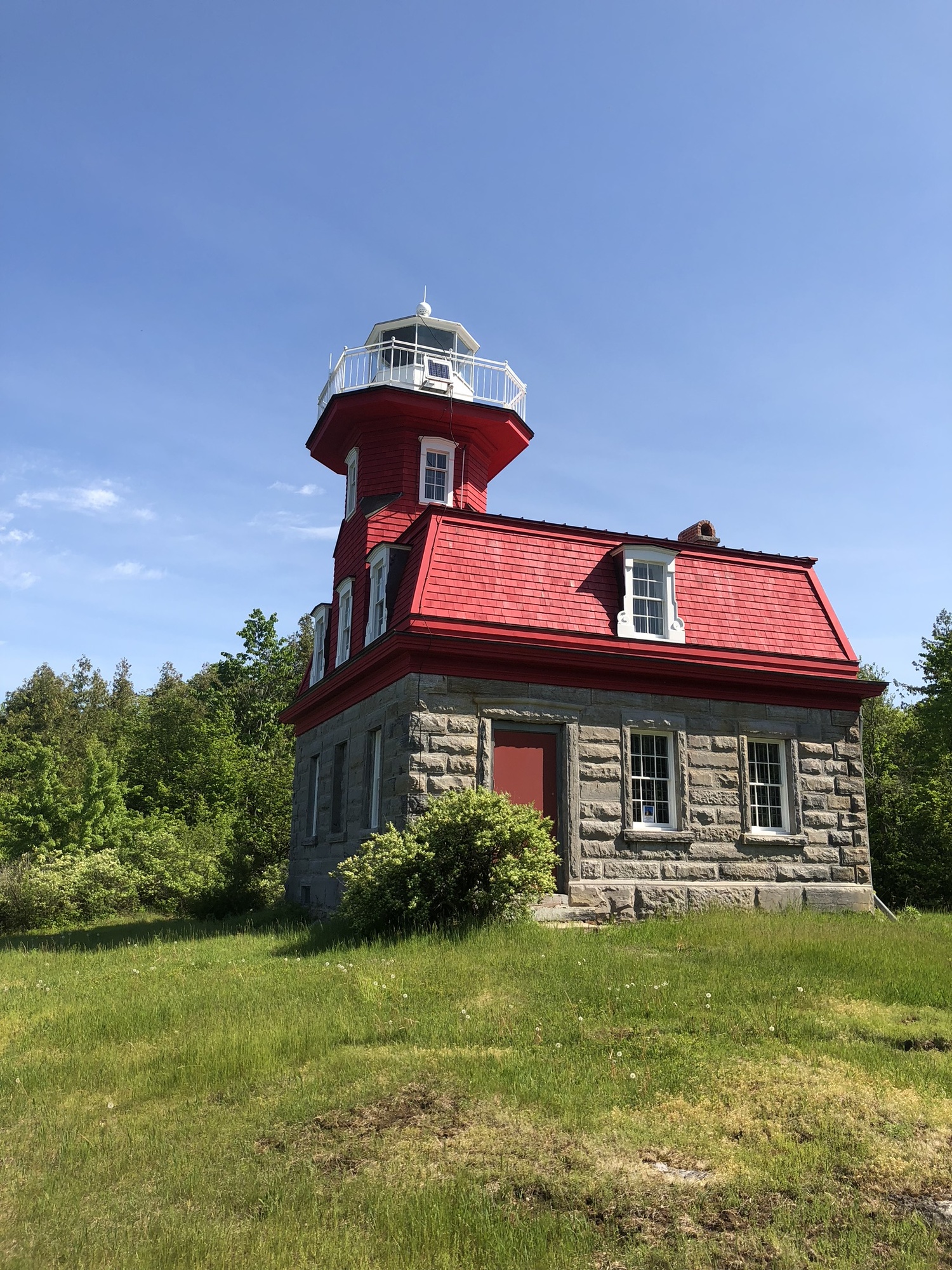
Valcour Island, part of the Lake Champlain Islands Complex, is the largest of the six islands at 968 acres. This island and the waters around it contain some of the richest history of all the islands. Bluff Point Lighthouse is located on the island's western shore, and the Seton House is located on its southwestern shore. Valcour Bay was the site of the Battle of Valcour Island - an important Revolutionary War naval battle. The island has hiking trails, designated primitive tent sites, picnic areas and beaches.
Valcour Island has only one usable dock at this time which is located at the Seton House near the southern end of the island. Paddlers and small boats can access the island on the shores of Bulhead Bay, North Bay, Butterfly Bay (including the "picnic area"), and in the vicinity of campsites 21 and 22 on the eastern shore.
Paddling: Valcour Island is part of the Lake Champlain Paddlers Trail.
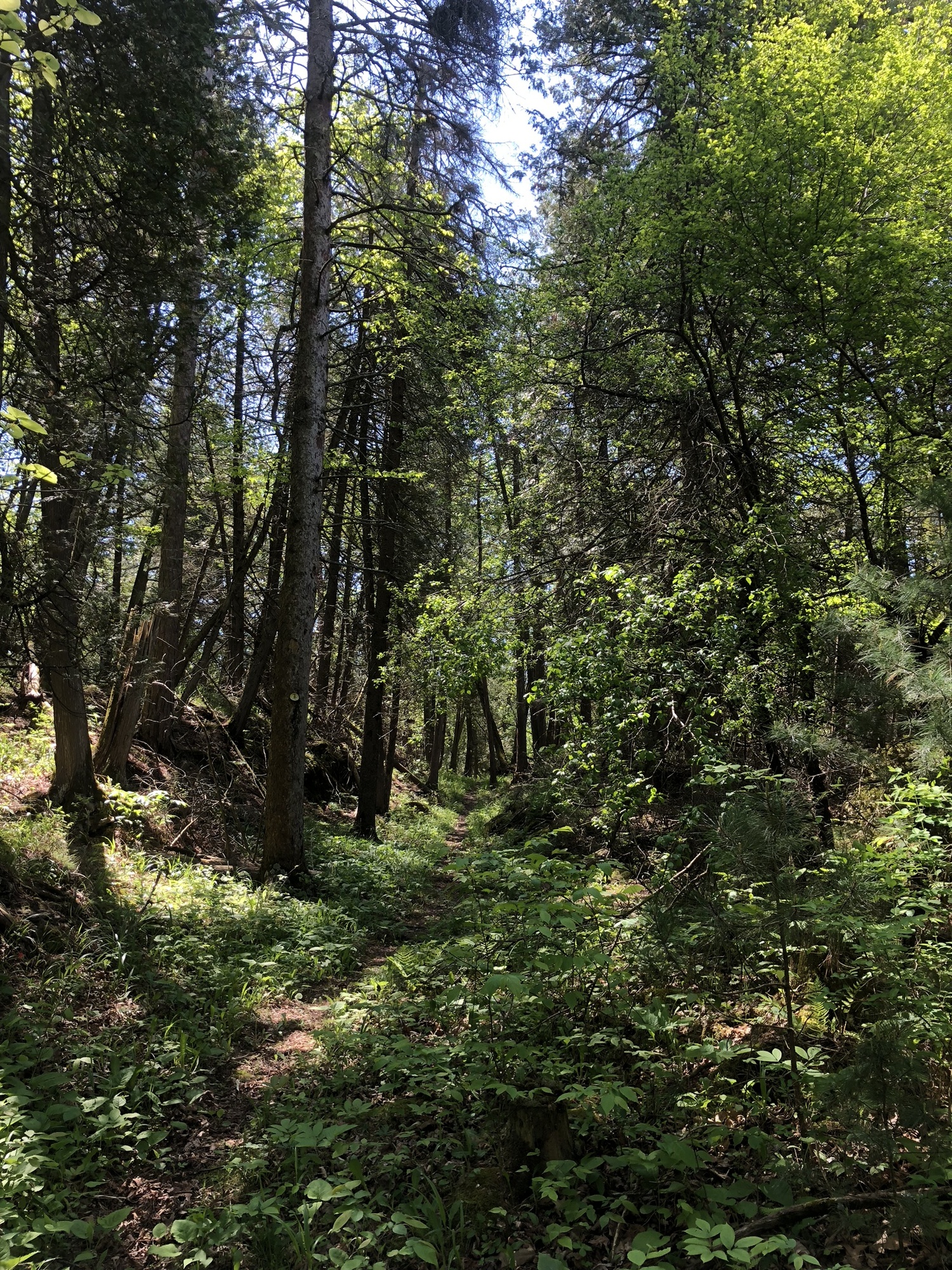
Hiking: The Island has 12 miles of designated hiking trails. The trail system extends from the southern end, looping around the circumference, and includes two bisector trails that cut through the center of the island. The trails around the island provide for an excellent natural experience and offer great scenic vistas.
Camping: There are 29 designated primitive tent sites along the Island’s shores. Campsites are available on a first come - first served basis and are marked with a yellow "Camp Here" disc and a number. A free permit must be obtained from the DEC caretaker during the summer. Most campsites contain pit privies, picnic tables and fireplaces.
Most, but not all, tent sites can be accessed directly from the water. Paddlers and small boats can access the island on the shores of Bulhead Bay, North Bay, Butterfly Bay (including the "picnic area"), and in the vicinity of tent sites 21 and 22 on the eastern shore and use the Valcour Island Perimeter Trail and other trails to access the tent sites.
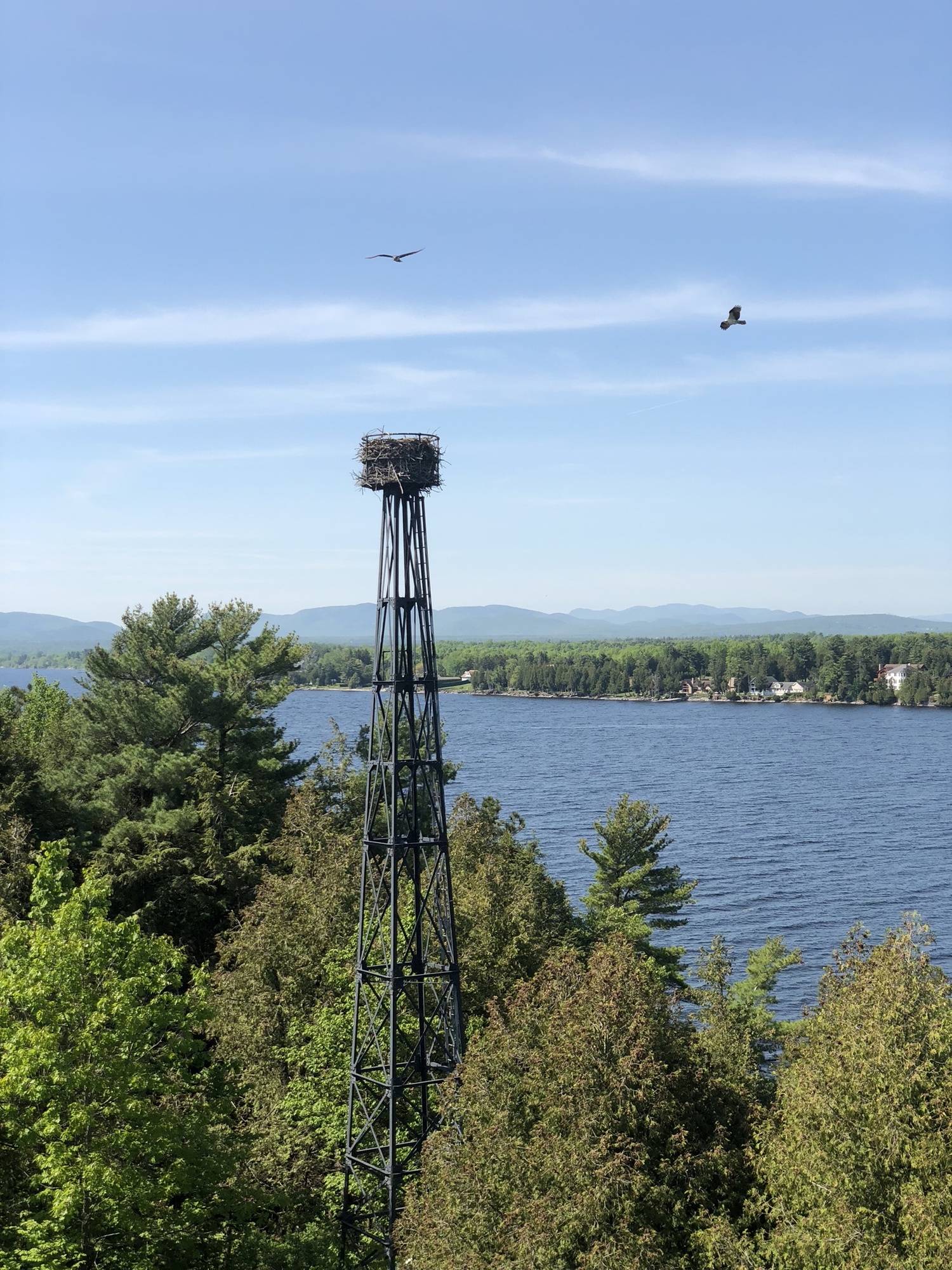
Parking/Boat Launch: Peru Dock Boat Launch has a macadam surface approach which is large enough to accommodate large car and trailer units. The ramp extends 50 feet and is outfitted with aluminum floating docks with accessibility features. The two parking areas include accessible parking and can hold a total of 50 cars and trailers. An accessible flush toilet facility is located on the site. Additionally, there is a boat pump out for boats equipped with sanitary facilities.
Peru Dock Boat Launch is located on State Route 9. (44.61870°N, 73.4457°W)
|