Air Mail: News About NY Air Quality - March
The New York State Department of Environmental Conservation sent this bulletin on 03/22/2018 01:46 PM EDT |
| DEC Delivers - Information to keep you connected and informed from the NYS Department of Environmental Conservation |
| Share or view as a web page || Update preferences or unsubscribe |
|
|
This Week’s Topics:
Spring Burn Ban BeginsFor many people, springtime means sprucing up the home by cleaning not only the inside of the house, but also picking up downed branches and blowing leaves that winter brings. All that yard debris can be bagged and bundled for pick up, or taken to the compost bin for eventual use in the garden. Burning it is not an option in many New York towns, and all residential open burning is banned statewide from March 16 to May 14. DEC enforces the annual spring burn ban, which temporarily outlaws residential brush and yard debris burning. And remember that burning garbage and leaves is prohibited year-round!
The rising temperatures and changing winds of spring dry out forest debris, making it extremely flammable. An unattended fire can quickly begin to burn out of control, spreading to surrounding dry plant material and sparking a wildfire. Outdoor fires are the single largest cause of spring wildfires in New York. Not abiding by the burn ban can be expensive; violators can face potential criminal and civil enforcement actions and a minimum fine of $500 for a first offense. To report environmental law violations, call 1-844-DEC-ECOS (1-844-332-3267) or report it on DEC's website. For more information about open burning, including the regulation (Part 215), visit DEC’s website to learn before you burn. Wildfires and NYS Air QualityWildfires in New York State continue to be a danger to people and wildlife despite recent declines in the number of fires, and can be a significant source of air pollution. Wildfire smoke contains particulate matter pollution, which, if inhaled, can trigger asthma attacks and cause other health problems, especially for the very young and the elderly.
No one likes to breathe polluted air, so make sure you do everything you can to prevent wildfires from occurring.
Always take the time to learn before you burn so we can keep New York State’s air clean! Stay Informed about Your Air QualityNew York's ozone season runs from April through September. DEC publishes ground-level ozone forecasts during ozone season, and particulate matter pollution forecasts year-round using a scale called the Air Quality Index (AQI). DEC sends an air quality alert when there is a high AQI value, which indicates polluted air. Individuals with pre-existing respiratory and cardiovascular conditions or individuals who exercise outdoors should take caution during an air quality alert. Find out if an Air Quality Alert is in effect by calling the toll-free Ozone Hotline: 1-800-535-1345. The AQI can be accessed in 3 ways:
We would like to know what you think. Please send your Air Mail! questions or comments to us at DAR.web@dec.ny.gov. |
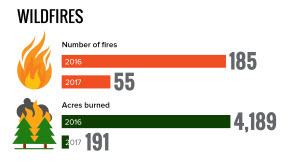 Besides creating plumes of toxic and annoying smoke, outdoor yard and field fires are significant causes of uncontrolled wildfires. In fact, during the eight-year period since the ban was established, the average number of spring fires per year decreased by 36.7 percent, from 2,649 in 2009, to 1,677 in 2016. You can read much more about
 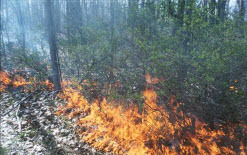 Sometimes, winds can carry smoke from fires in other states or other countries into New York. For example, the 2016 strong El Niño weather pattern over Alberta, Canada helped create conditions so hot and dry that fire activity was extensive throughout the region. The huge, 1.5 million-acre Fort McMurray wildfire produced smoke that traversed almost 2,500 miles
 |
The New York State Department of Environmental Conservation respects your right to privacy and welcomes your feedback | Update preferences or unsubscribe | Learn more about DEC Delivers. |
|
Connect with DEC:    
|
|
| Are you registered to vote? Register to vote or update your information online today or search your voter registration status.. | |
| Andrew M. Cuomo, Governor * Basil Seggos, Commissioner | |