Environmental Justice Newsletter
The New York State Department of Environmental Conservation sent this bulletin on 03/21/2018 03:42 PM EDT |
| DEC Delivers - Information to keep you connected and informed from the NYS Department of Environmental Conservation |
| Share or view as a web page || Update preferences or unsubscribe |
A Year in Review: Project Updates |
Operation ECO-Quality InitiativeOperation ECO-Quality is an initiative undertaken by DEC’s Office of Environmental Justice (OEJ) that focuses on small to mid-size regulated facilities within Environmental Justice areas. The goal of this program is to improve the community’s quality of life and reduce public health risks by communicating directly with these businesses to determine what leads to non-compliance, educating them on best management practices and pollution prevention, and bringing them into compliance with Environmental Conservation Laws and Regulations. OEJ partners with other DEC divisions such as Environmental Remediation and our regional offices to develop successful ECO-Quality campaigns.
1. Pre-assessment: Collecting available information 2. Site visits consist of an opening meeting, a facility orientation, a detailed site walk through, and interviews/conversations with facility personnel regarding on-site activities, observations of facilities’ activities, completion of an assessment checklist, and a closing/debriefing meeting to gather information from facility staff that might clarify or inform the writing of the findings (if any) and the report itself. 3. Post-site visit activities include further regulatory review/confirmation of site issues identified during the assessment, follow-up with facility staff as needed, development of corrective actions based on the findings (with DEC input as needed), recommendations of areas of concern and observations, preparation of an Environmental Assessment Report, and incorporation of these identified categories into the ECO-Quality Action Tracking System. In our recent Jamaica, Queens ECO-Quality campaign, program staff assessed 64 facilities; 59 of which were found to be in non-compliance with environmental regulations. Following the work of ECO-Quality staff and facility owners and employees, 61 facilities were brought into compliance. Overall, compliance went from 92% non-compliance to 95% compliance. Air MonitorsIn 2016, DEC invested $500,000 from the State’s Environmental Protection Fund to start a comprehensive air monitoring program in Albany’s South End Community. This effort addresses community concerns about multiple potential sources of air pollutants, specifically the transport and storage of crude oil, the neighborhoods’ proximity to an active port, and diesel truck traffic on area roads.
While the data collection phase of the study is ongoing through August 2018, DEC is keeping the community updated on its progress, and gave two presentations in the community in January 2018. At these meetings, DEC noted that emissions from vehicles strongly influence the air monitor at Ezra Prentice, with approximately 10% of the vehicles contributing the highest 25% of the total concentration of particulate matter. DEC is also increasing the number of diesel truck inspections in the South Albany community to make sure tailpipe emissions from heavy-duty diesel trucks comply with State and federal environmental laws. DEC’s Division of Air Resources will continue to collect emissions data and analyze traffic data, and will also seek to extend portable air measurements further into the Albany’s South End neighborhood. Hoosick FallsIn 2015, tests of the public water supply in Hoosick Falls found high levels of perfluorooctanoic acid (PFOA). The data showed PFOA levels of 600 parts per trillion in the water supply, above the Environmental Protection Agency’s (EPA) specified safe level of 400 parts per trillion at that time. Following these tests, the EPA’s Office of Water issued a provisional health advisory to local residents. Since this discovery, DEC has worked directly with the Hoosick Falls community to ensure those responsible for the contamination are held accountable:
Updating CP-29: EJ in the Permit Review/SEQR ProcessCommissioner’s Policy 29 (CP-29) provides guidance for incorporating environmental justice concerns into the DEC permitting review process and the application of the State Environmental Quality Review Act (SEQR). The policy is written to ensure the process promotes environmental justice, and the regulated community, public and EJ communities understand and have the opportunity to participate in the process. CP-29, which was last revised in 2003, needs to be updated to ensure it provides opportunities for meaningful participation in the permitting process for concerned residents and meaningful interactions between DEC and environmental justice communities. Throughout 2017, the Office of Environmental Justice reached out to community groups, leaders, and non-government organizations to obtain their input in order to revise and improve the policy. DEC program staff also attended public meetings on CP-29 in New York City, the Capital Region, Syracuse, and Buffalo. DEC will use feedback from these meetings to shape the revised policy. Once the revisions have been incorporated into an updated draft policy, it will be released for public comment. If you were unable to attend one of our CP-29 Revision meetings but have reviewed the current policy and have suggestions for improvement, please share your input with us at justice@dec.ny.gov. Working GroupsJust Transition Working Group In June of 2017, Governor Cuomo announced a new Environmental Justice and Just Transition Working Group which will focus, in part, on developing policies and programs to ensure a "just transition" to a green and clean energy future.The Working Group will advise the administration on the integration of environmental justice and just transition principles into all agency policies, and shape environmental justice programs identified in the State of the State. This group includes environmental justice and community leaders from across New York State, as well as health and labor advocates. The working group will provide recommendations to state agencies for the development of a statewide environmental justice policy and agency-specific environmental justice plans. The working group will also strategically target efforts to connect New Yorkers living in Environmental Justice communities with job opportunities created as part of Governor Cuomo’s ambitious clean energy goals to generate 50 percent of the state’s electricity from renewable sources by 2030. The working group initially met in September 2017 and participates in monthly conference calls. The working group is advising on initiatives announced in the Governor’s 2018 State of the State, as well as other programs. Examples include the development of a climate justice roadmap, and strengthening the Regional Greenhouse Gas Initiative (RGGI) by grouping together and covering smaller but highly polluting “peaking” units that collectively exceed RGGI's capacity threshold of 25 megawatts. GrantsThe Office of Environmental Justice (OEJ) administers grants throughout the calendar year to assist communities disproportionately affected by environmental issues. Community Impact Grants, started in 2006 and funded through the Environmental Protection Fund (EPF), help communities generate data through participatory science and to engage residents in addressing and understanding the challenges and opportunities for improving community health, safety, and sustainability. In 2017, OEJ expanded their grant program to include Green Jobs for Youth and Urban Environmental Education Center Grants. These new grant opportunities are also funded through the EPF. The new grant opportunities are designed to expand actions to combat climate change, grow the clean energy economy, and protect public health and the environment.
In 2018, OEJ looks forward to offering $4.5 million in funding, the highest amount of funding to date, for the Community Impact Grants. If you would like to learn more about our grants, please visit our webpage. If you would like to be alerted when we announce our grant opportunities and other environmental justice-related information please sign up for our email announcements. Apply For FundingAre you a community-based organization looking to fund a project? OEJ offers grants to not-for-profit organizations to address environmental harms in low income and environmental justice communities. For additional information on OEJ grants and a complete list of previous project awardees please visit our website. We Can’t Do it Without YouDo you have concerns about the environment where you live? Do you want to make your voice heard? Do you want to stay informed about the different environmental issues affecting the state of New York? Sign up to receive regular email updates from the Office of Environmental Justice. Contact the Office of Environmental Justice with any concerns by sending an e-mail to justice@dec.ny.gov. Please include:
HELP US SERVE YOU
|
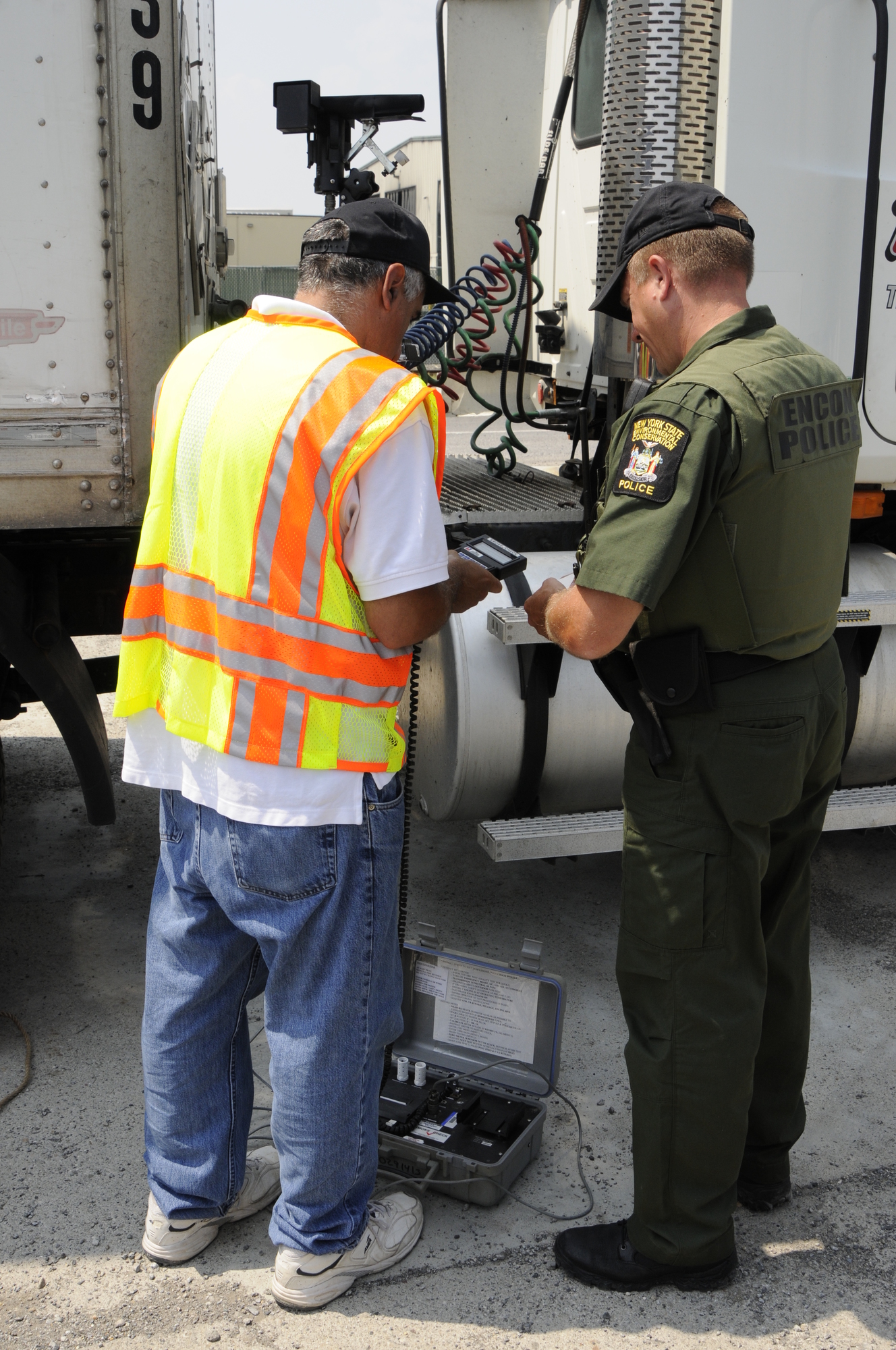 ECO-Quality campaigns are also a partnership between DEC and the community. Every campaign begins with enhanced outreach with community leaders and residents to get a better understanding of issues and concerns in the neighborhood. Program staff then conduct environmental assessments of facilities and businesses in the community, which consist of three phases:
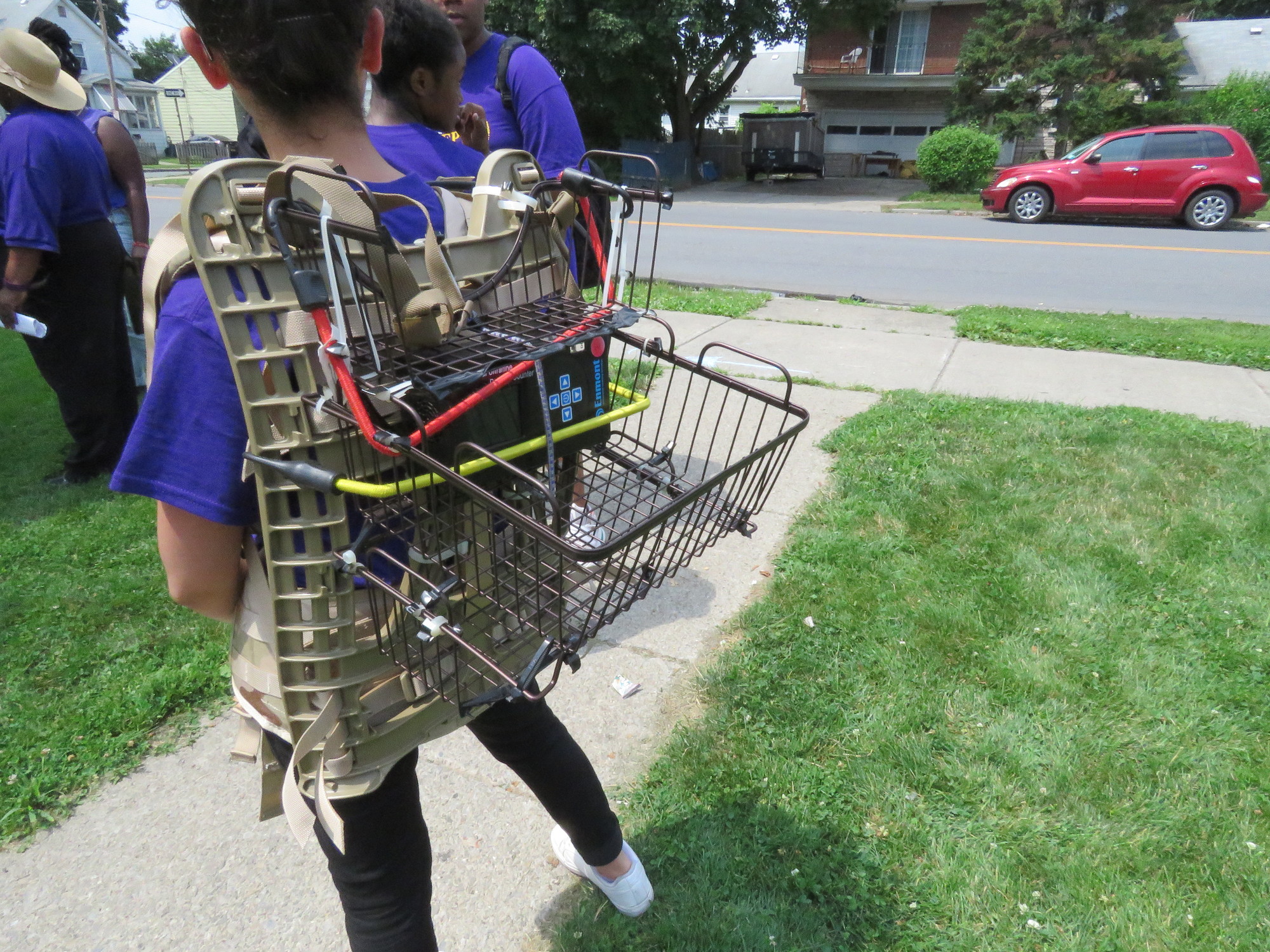 Air monitors were installed at Ezra Prentice Homes and on Third Avenue, and portable air monitoring equipment was employed to measure traffic-related pollutants. Additionally, passive samplers were installed in the community and at the Ports of Albany and Rensselaer to try to locate sources of benzene. The NYS Department of Transportation (DOT) also installed a traffic counter on December 11, 2017 to obtain more information on truck traffic in the area, and the Capital District Transportation Committee initiated a two-week origin and destination study.
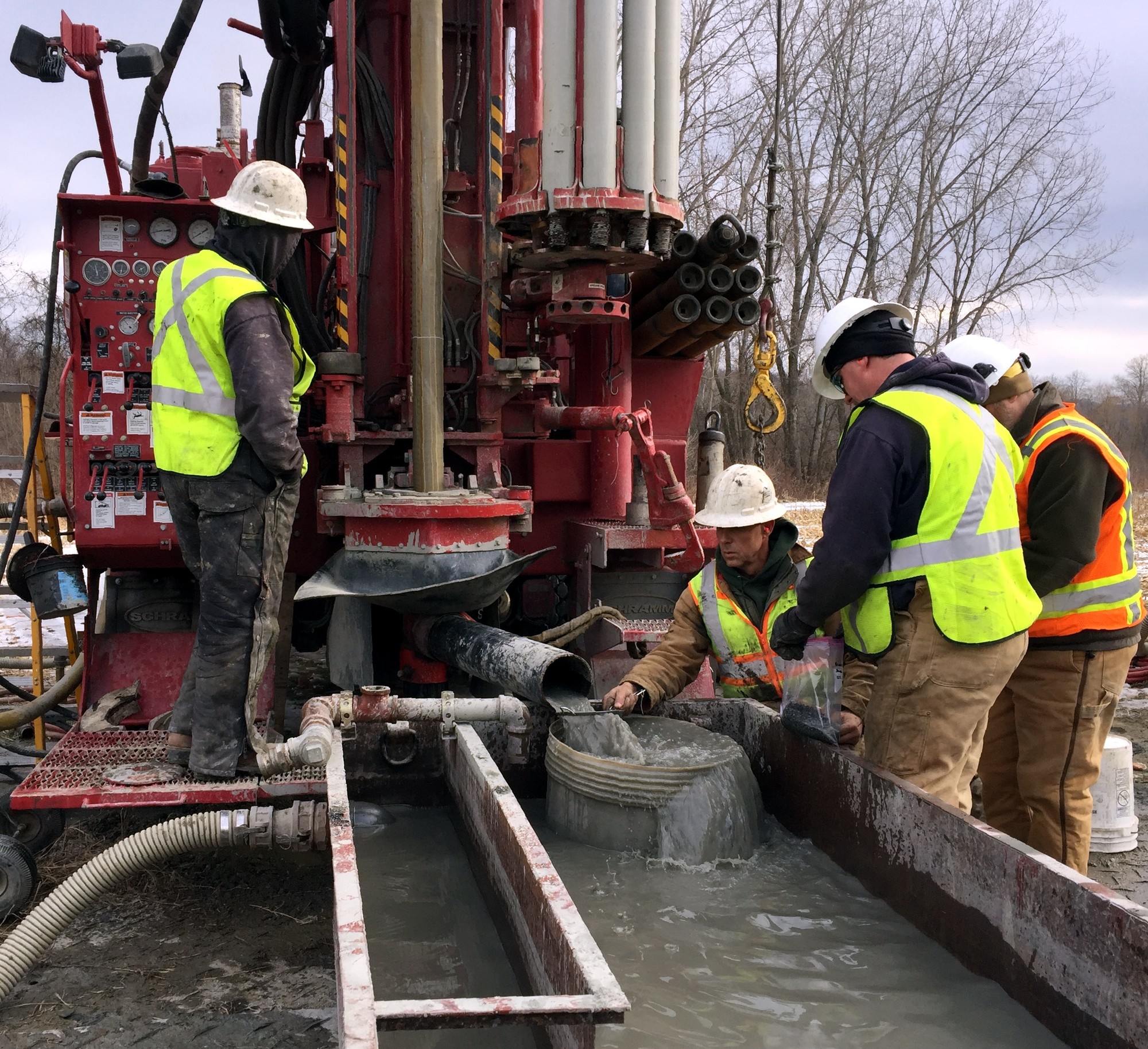 Through the Superfund process, DEC is also requiring the responsible parties to undertake a full investigation into the contamination and develop cleanup plans, under DEC’s oversight. Additionally, DEC is requiring Saint Gobain and Honeywell to develop a feasibility study to assess the options for an Alternate Water Supply for the village. DEC recently received an interim study. After the study is reviewed to ensure it adequately addresses the requirements and intentions of two consent orders that DEC issued to the responsible parties, it will be released to the Hoosick Falls community for public review and comment.
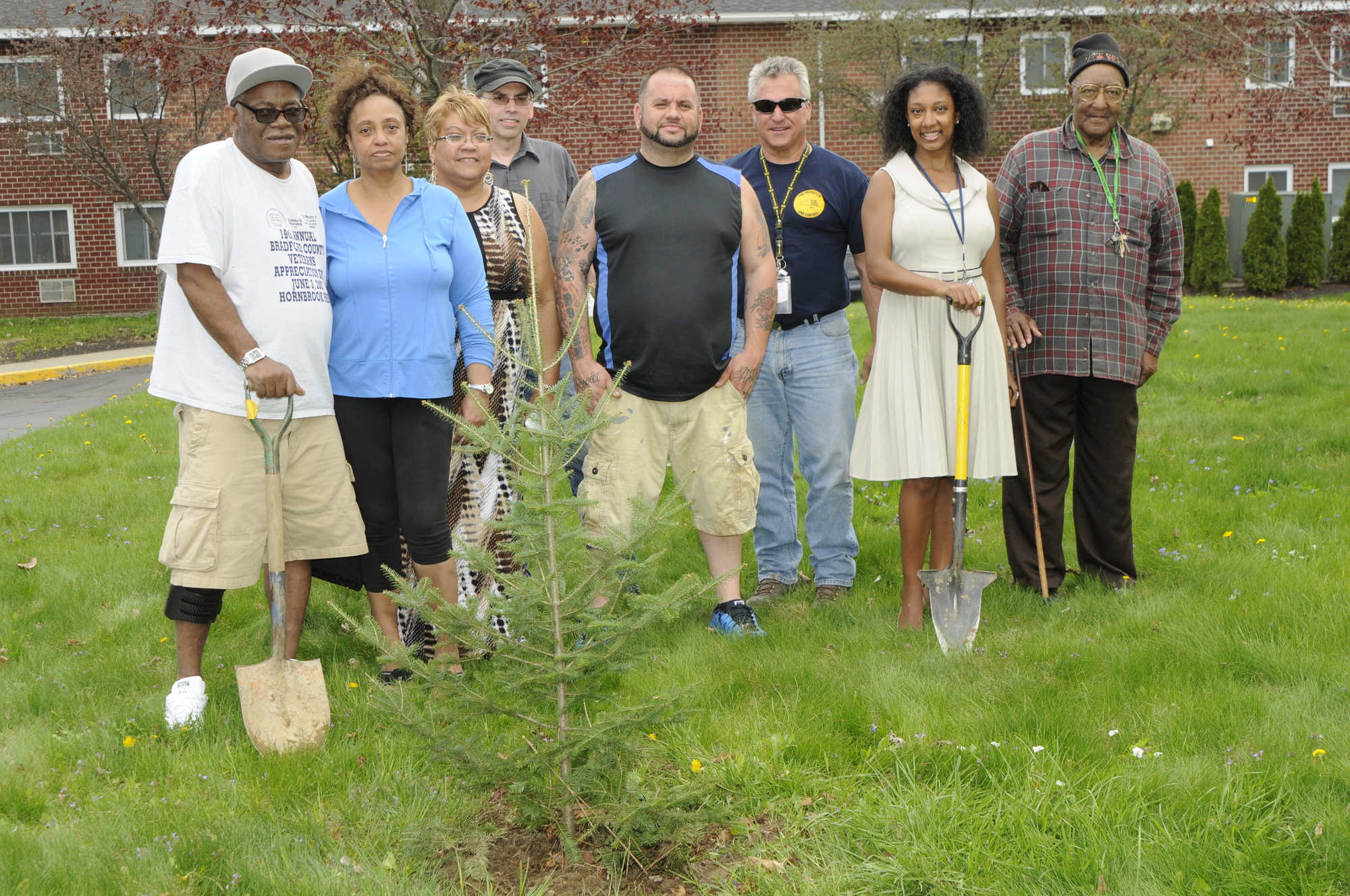 In 2017, OEJ awarded $1,102,071 in Community Impact Grants to 24 community-based organizations for projects that addressed exposure to communities with multiple environmental harms and risks. OEJ also awarded $943,932 in Green Jobs for Youth Grants to 10 not-for-profit community-based organizations. These grants provide job training in the fields of clean energy, green infrastructure, and urban agriculture, and are targeted to young New Yorkers residing in environmental justice communities. The $1,000,000 Urban Environmental Education Center Grant opportunity ended on February 2nd, and OEJ will announce the names of grant recipients soon.
|
The New York State Department of Environmental Conservation respects your right to privacy and welcomes your feedback | Update preferences or unsubscribe | Learn more about DEC Delivers. |
|
Connect with DEC:    
|
|
| Are you registered to vote? Register to vote or update your information online today or search your voter registration status.. | |
| Andrew M. Cuomo, Governor * Basil Seggos, Commissioner | |