Wildlife, Fish, and Marine Life Newsletter
The New York State Department of Environmental Conservation sent this bulletin on 03/01/2018 08:30 AM EST |
| DEC Delivers - Information to keep you connected and informed from the NYS Department of Environmental Conservation |
| Share or view as a web page || Update preferences or unsubscribe |
Wildlife, Fish, and Marine Life Newsletter |
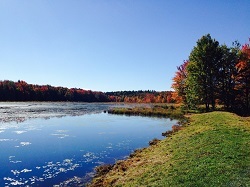
State Lands to Visit: Pharsalia Wildlife Management Area
Tracking Bird Migrations with New Technology
The newly-installed tower produced ‘hits’ from 2 Swainson's Thrushes as they migrated through the Montezuma Wetlands Complex this fall. The birds were tagged in Todoussca, Quebec along the St. Lawrence River and Shag Harbour, on the southern tip of Nova Scotia. The Swainson's Thrush is a bird of boreal (northern) forests, with a breeding range that extends from Alaska to Newfoundland. Wintering locations can be found from Mexico to South America. Are You New to Hunting or Trapping? Have You Mentored a New Hunter or Trapper? We Want to Hear Your Story!
Essays can be submitted in one of three categories:
DEC staff will select one winning essay in each category. Winners' essays will appear in the 2018-19 Hunting & Trapping Regulations Guide, which is read by over 500,000 people each year! The winners will also receive a $50 gift certificate. To learn more about contest requirements and how to submit an essay, visit the DEC website. Submissions must be postmarked by March 15, 2018. |
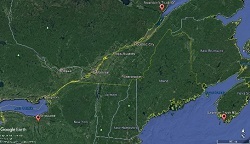 This past fall DEC installed a
 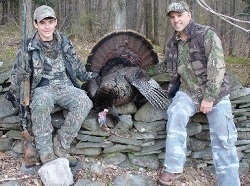 We are looking for hunters and trappers who would like to share a story about their first memorable experience afield or an experience where they introduced a new person to hunting or trapping. Selected essays will appear in the
 |
The New York State Department of Environmental Conservation respects your right to privacy and welcomes your feedback | Update preferences or unsubscribe | Learn more about DEC Delivers. |
|
Connect with DEC:    
|
|
| Are you registered to vote? Register to vote or update your information online today or search your voter registration status.. | |
| Andrew M. Cuomo, Governor * Basil Seggos, Commissioner | |