Wildlife, Fish, and Marine Life Newsletter: Onondaga Lake Wetlands Restoration; Snowshoe Hare at WMA
The New York State Department of Environmental Conservation sent this bulletin on 01/18/2018 10:00 AM EST |
| DEC Delivers - Information to keep you connected and informed from the NYS Department of Environmental Conservation |
| Share or view as a web page || Update preferences or unsubscribe |
Wildlife, Fish, and Marine Life Newsletter |
Onondaga Lake Wetland and Shoreline Restoration is Nearly Complete
Photo by Tracy A. Smith DEC to Survey Snowshoe Hare on Tug Hill Wildlife Management Area (WMA)
Tug Hill WMA is primarily managed for common forest-dwelling species. Raptors such as northern goshawk, red-shouldered hawk, sharp-shinned hawk, and owls can be found on the WMA. You may also find birds like thrushes or yellow-bellied flycatcher. Tug Hill WMA is a popular destination for deer hunters seeking a wilderness-like experience. Upland game bird hunters come in search of grouse and woodcock, while small game hunters target snowshoe hare. Trappers also travel to this area each fall to pursue species uncommon in other areas of the state such as otter, fisher, and bobcat. Edick Creek, which runs through the WMA, is a good place to fish for brook trout. |
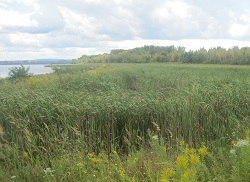 Healthy wetland and shoreline habitats are important for birds, fish, and other wildlife, especially near a city like Syracuse. To remove pollution from
 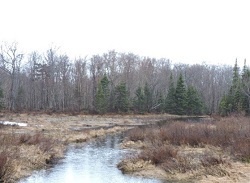 DEC will begin surveys for
 |
The New York State Department of Environmental Conservation respects your right to privacy and welcomes your feedback | Update preferences or unsubscribe | Learn more about DEC Delivers. |
|
Connect with DEC:    
|
|
| Are you registered to vote? Register to vote or update your information online today or search your voter registration status.. | |
| Andrew M. Cuomo, Governor * Basil Seggos, Commissioner | |