The Long Island Nitrogen Action Plan: 2017 A Year in Review
The New York State Department of Environmental Conservation sent this bulletin on 01/11/2018 03:25 PM EST |
| DEC Delivers - Information to keep you connected and informed from the NYS Department of Environmental Conservation |
| Share or view as a web page || Update preferences or unsubscribe |
|
|
The Long Island Nitrogen Action Plan: 2017 A Year in Review
This issues topics:
Suffolk County
A full description of Suffolk County progress is available on the New York State Department of Environmental Conservation (NYSDEC) website. Nassau CountyNassau County has advanced several critical initiatives to reduce nitrogen pollution. Subwatershed planning is well underway to determine the nitrogen loads from wastewater, fertilizer, and atmospheric deposition to the 13 subwatersheds within the County. The Plan will identify priority areas and nitrogen load reduction strategies. The County has also commenced two projects designed to reduce the nitrogen concentration in the wastewater effluent discharged from the Bay Park Wastewater Treatment Plant (WWTP). 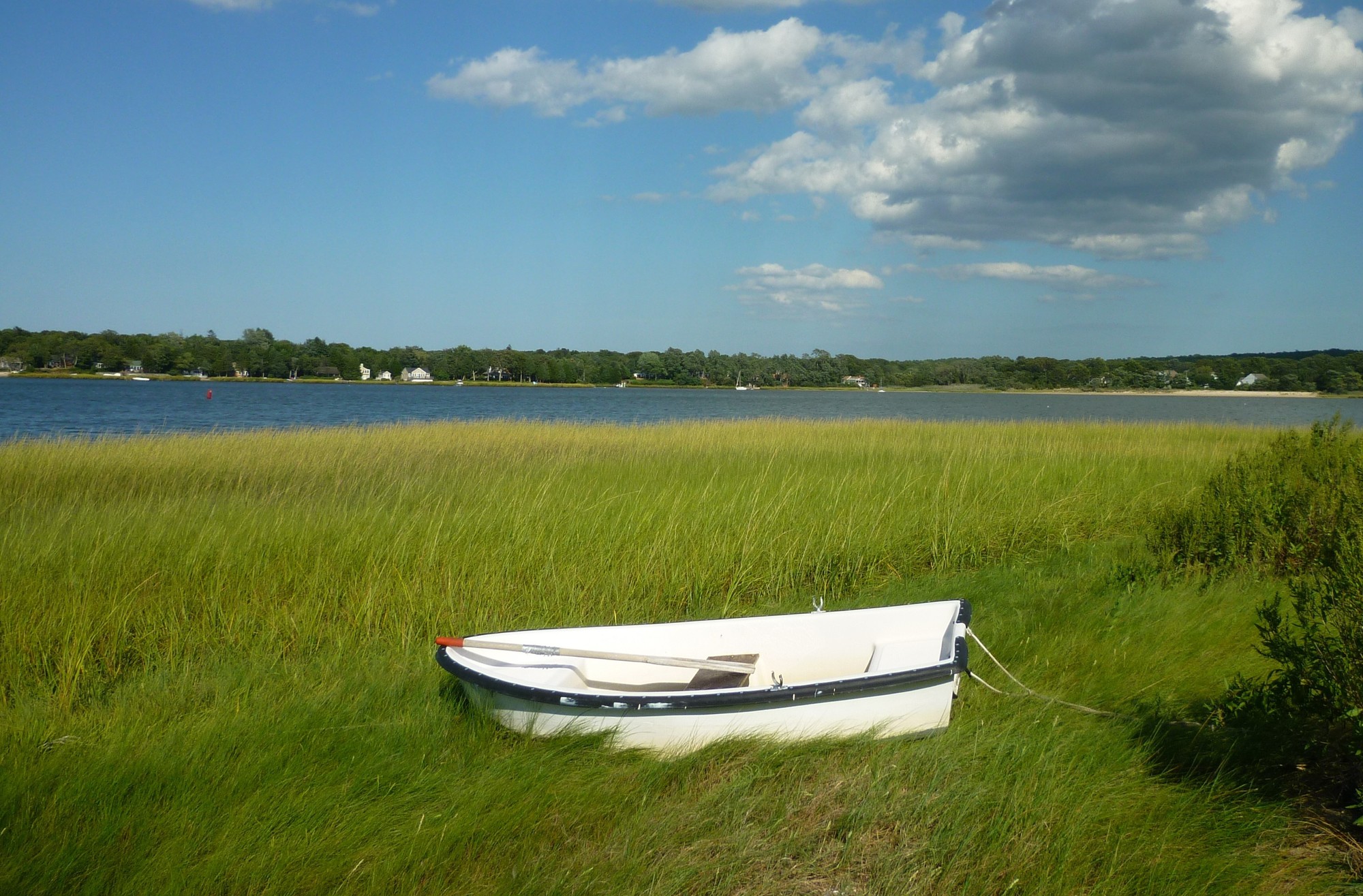
Further, the County plans to repurpose an abandoned aqueduct to divert treated wastewater effluent from the Bay Park WWTP to the existing Cedar Creek WWTP ocean outfall, preventing billions of gallons of treated sewage from being discharge into the Western Bays. Additionally, the City of Long Beach entered into a Consent Order with NYSDEC committing to a project to divert wastewater from the Long Beach WWTP to the upgraded Bay Park WWTP for treatment and ultimately ocean discharge. The County was also awarded $2 million to construct sewer infrastructure in Point Lookout. A full description of Nassau County progress is available on the NYSDEC website. Long Island Regional Planning Council (LIRPC) and New York State Department of Environmental Conservation (NYSDEC)The LIRPC and NYSDEC convened several advisory workgroups to provide input and support in the development and implementation of the LINAP. Workgroups consist of representatives from Suffolk and Nassau County, local governments, area scientists, environmental organizations, and industry experts.
A full description of the advisory workgroups' progress is available on the NYSDEC website. United States Geological SurveyThe United States Geological Survey (USGS) is working on several water quality initiatives which support the LINAP’s goals and objectives. In partnership with the NYSDEC, USGS is conducting a regional assessment of the groundwater sustainability of the Long Island aquifer system. Once the new island-wide model of inputs and outflows is completed, it will be available for future LINAP nitrogen loading studies. USGS has also begun an investigation into the application of innovative numerical-modeling methods to simulate the complex transport of nitrogen within the Peconic Estuary watershed. In addition, the USGS is also in the final stages of developing a new Coordinated Water Resources Monitoring Strategy for the South Shore Estuary Reserve (Reserve), which will provide a review of past and current water and ecological-monitoring programs in the Reserve. A full description of USGS progress is available on the NYSDEC website. Stony Brook University Center for Clean Water TechnologyThe Center for Clean Water Technology (CCWT) is developing and commercializing more cost-effective water quality protection and restoration solutions. CCWT’s initial focus is delivering affordable, high performance technology that can efficiently remove nitrogen and other contaminants from household wastewater and replace or retrofit existing cesspools and septic systems. This past year CCWT has been developing non-proprietary wastewater treatment systems that could be installed to remove nitrogen from septic tank effluent. A full description of The Center for Clean Water Technology's progress is available on the NYSDEC website. South Shore Estuary ReserveIn late December 2016, the Long Island South Shore Estuary Reserve Eastern Bays Project: Nitrogen Loading, Sources and Management Options authored by Stony Brook University School of Marine and Atmospheric Science professor Dr. Christopher Gobler was announced to support nitrogen reduction efforts on Long Island. Also, on November 11, 2017 the Reserve announced $668,385 for 16 projects to assist with implementation of the Reserves’ Comprehensive Management Plan. This was the first round of funding for the Local Assistance Grant program. Other projects in the Reserve that are still ongoing include: the update of the Reserves’ Comprehensive Management Plan that is expected to be completed by mid-2018; and the Reserves’ Coordinated Water Resource Monitoring Strategy that is on schedule to be released in early 2018. A full description of the Long Island South Shore Estuary Reserve's progress is available on the NYSDEC website. Peconic Estuary ProgramThis past year, the Peconic Estuary Program (PEP) began updating its 2001 Comprehensive Conservation and Management Plan (CCMP); the blueprint by which the PEP directs its resources and efforts at the estuary’s environmental challenges. The PEP aims to reduce nitrogen loads by identifying sources of nitrogen on a subwatershed basis and accelerating the implementation of measures to meet the Peconic Estuary Nitrogen Total Maximum Daily Load. To further reduce nitrogen and other sources of pollution, the PEP Homeowner Rewards Program was implemented, providing financial rewards for homeowners in the Peconic Estuary watershed to add rain gardens, native plantings, and/or rain barrels to their properties. A full description of the Peconic Estuary Program's progress is available on the NYSDEC website. Environmental Protection Agency (EPA)The EPA is implementing a strategy to continue progress on nitrogen reductions and achieve water quality standards throughout the Long Island Sound, its embayments and near shore coastal waters including specific technical tasks and timelines to identify nitrogen thresholds. In addition, the EPA has offered several challenges and prizes to people outside the agency, across the U.S. and the world to identify and spur development of technologies to monitor nitrogen concentration in effluent from wastewater treatment systems and to demonstrate the effective use of low-cost nutrient sensors. A full description of EPA's progress is available on the NYSDEC website. Seatuck Environmental AssociationSeatuck continues to work with Dr. Gary Zarillo of the New York State Department of Agriculture and Markets (NYSDAM)NYSDAM has contracted with Suffolk County Agricultural Stewardship Program partners, Cornell Cooperative Extension and the Suffolk County Soil and Water Conservation District for nutrient management research, planning, and implementation.
|

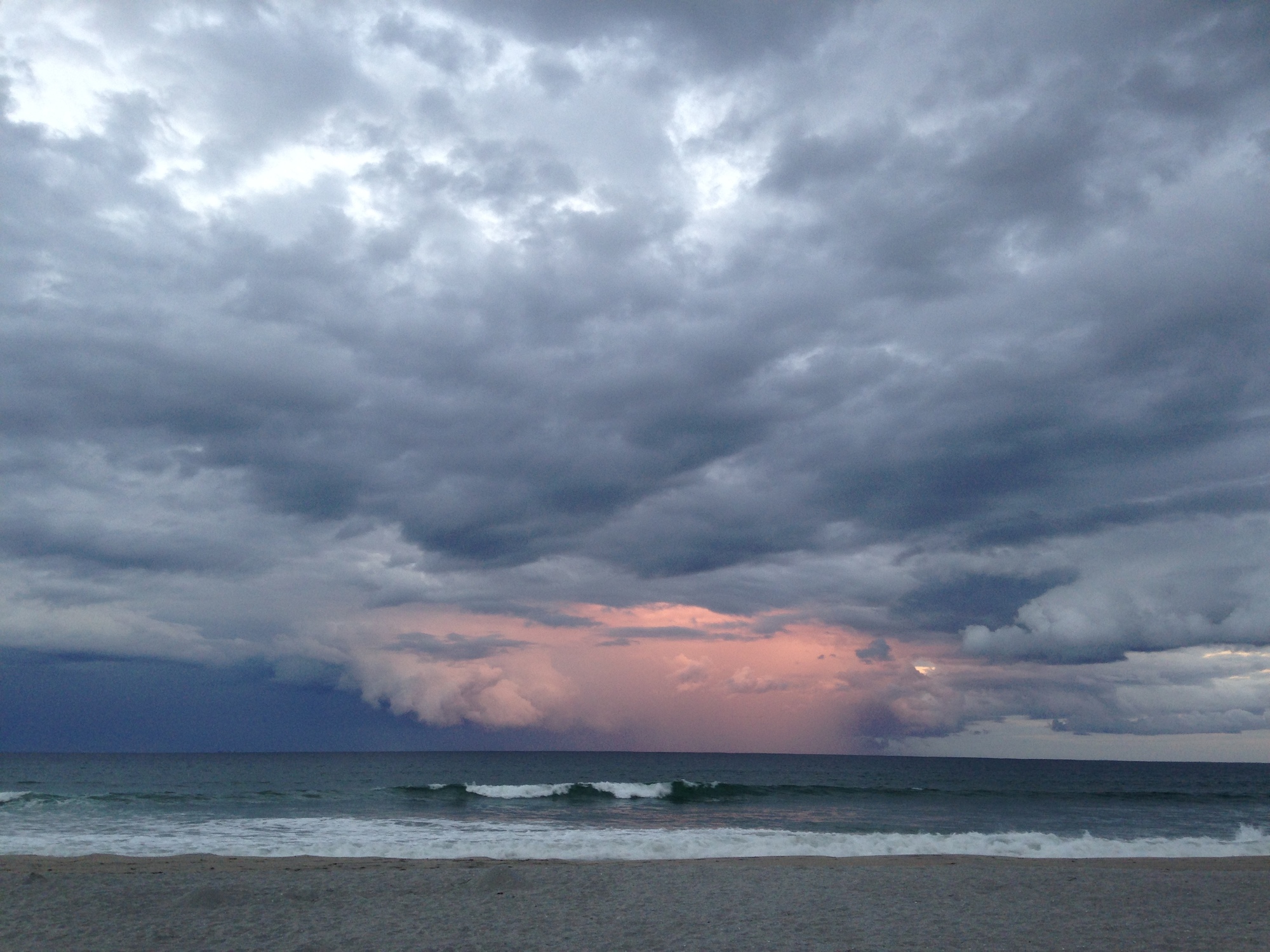 2017 saw great progress in many of Suffolk County’s water quality and nitrogen reduction initiatives. The County’s Subwatersheds Plan (SWP) is evaluating parcel-specific nitrogen loads from wastewater, fertilizer, stormwater, and atmospheric deposition to the groundwater and receiving waters of nearly 200 subwatersheds. Also the County has been leading the way in piloting and approving the use of Innovative Alternative Onsite Wastewater Treatment systems (I/A OWTS) designed to significantly remove nitrogen from wastewater. The County’s Septic Incentive Improvement Program was implemented this year and began offering grants and low interest loans to eligible homeowners to purchase approved I/A OWTS. Furthermore, legislation was signed into law that amends the County’s Sanitary Code regarding the replacement of failing cesspools. Multiple sewering projects are also in the design stage of development. The County also released the Harmful Algal Bloom Action Plan, a comprehensive strategy developed to guide the work of government, scientists, and academia to address harmful algae blooms.
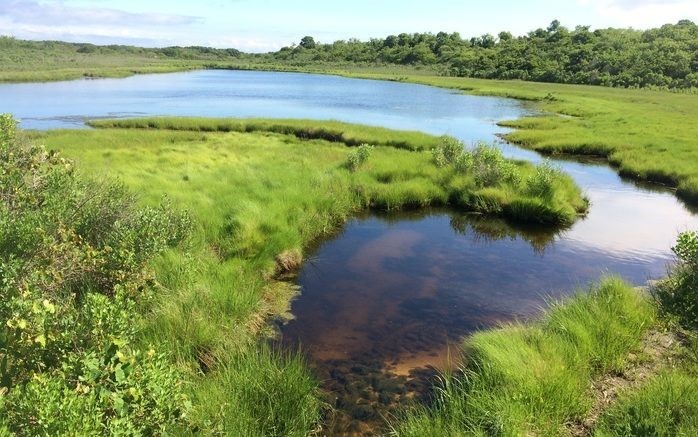 CCWT currently has three configurations of Nitrogen Removing Biofilter (NRB) systems and continues to evaluate the potential of small-scale Permeable Reactive Barrier (PRB) installations for nitrogen removal. CCWT is also developing new approaches to synthesize wastewater treatment membranes out of nanocellulose for use in Membrane Bioreactors. In addition to installing a number of pilot-scale experimental wetlands, CCWT is also working with Suffolk County to evaluate a constructed wetland on Shelter Island.
 Florida Institute of Technology to refine and validate its Environmental Fluid Dynamics Code (EFDC) hydrodynamic model of the Great South Bay and the Western Bays. Through a partnership with NYSDEC, a Quality Assurance Project Plan is being developed for the model. In the coming months, Seatuck will employ the model to test ideas for improving tidal circulation and flushing rates in the south shore bays, including the proposal to return Fire Island Inlet back to its historic location and configuration.
|
The New York State Department of Environmental Conservation respects your right to privacy and welcomes your feedback. | Update preferences or unsubscribe. | Learn more about DEC Delivers. |
|
Connect with DEC:   
|
 |
| NOW AVAILABLE: Receive DEC's Twitter feed via email. | |
| Andrew M. Cuomo, Governor * Basil Seggos, Commissioner | |