Wildlife, Fish, and Marine Life Newsletter
The New York State Department of Environmental Conservation sent this bulletin on 11/22/2017 09:00 AM EST |
| DEC Delivers - Information to keep you connected and informed from the NYS Department of Environmental Conservation |
| Share or view as a web page || Update preferences or unsubscribe |
Wildlife, Fish, and Marine Life Newsletter |
Wild Turkey – a Thanksgiving Icon
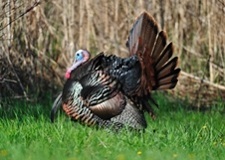
Wild turkeys (Meleagris gallopavo) are large birds native to New York. Adult males average 18-20 pounds, while females average 9-12 pounds. They are year-round residents and do not migrate. Turkeys disappeared from New York State in the mid-1800s due to clearing of the land for timber and agriculture, unregulated hunting, and domestic poultry diseases. Restoration efforts in the mid-1900s aided their expansion, and today there are over 180,000 turkeys statewide. Look for turkeys in areas that are a mix of farmland and forest. In winter they can be seen in large flocks around fields, and at night the whole flock may roost in a single tree! Watchable Wildlife: Harbor Seals
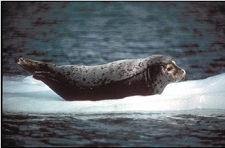
New York’s most abundant seal is the harbor seal (Phoca vitulina), which can be found in the state’s marine waters from late fall to late spring. Harbor seals (scroll down to Pinnipeds on the webpage) can range in color from brown, tan, or gray to silvery-white. The best time to watch for seals is during the day. Good places to look for seals include Fire Island National Seashore or Montauk Point State Park. Please do not disturb seals if you see them resting along the shore. Bring your binoculars and you may be rewarded with the sight of a seal resting in rocky area. However, follow these tips (scroll down to What to do if you encounter a marine mammal) if you think an animal is in distress. New York’s Got Fish
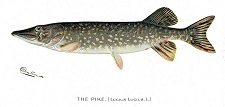
New York has one of the richest and most diverse populations of fish in the nation. Over 165 fish species inhabit the state’s 7,500 lakes and ponds and 70,000 miles of rivers. Learn more about these fish and where they can be found in the Atlas of Inland Fishes of New York. Check out these images of New York fish species including many dating back to the late 1800s. |
|
The New York State Department of Environmental Conservation respects your right to privacy and welcomes your feedback. | Update preferences or unsubscribe. | Learn more about DEC Delivers. |
|
Connect with DEC:   
|
 |
| NOW AVAILABLE: Receive DEC's Twitter feed via email. | |
| Andrew M. Cuomo, Governor * Basil Seggos, Commissioner | |