 Commercial Rental Assistance Grant (CRAG)
The Nevada Commercial Rental Assistance Grant (CRAG) makes $19MM in Coronavirus Relief Funds available for commercial rental relief for Nevada small businesses (including non-profits, sole proprietorships, independent contractors and those that are self-employed) that have lost revenue as a direct result of the COVID-19 pandemic.
Funding of up to $10,000 may be available to cover lease payments that have or will become due during the COVID-19 Pandemic. Applicants are not required to be in arrears on rent. Eligible businesses and non-profits entities that have prioritized paying rent over other expenses during the COVID-19 Pandemic are encouraged to apply.
The CRAG Program will be administered through the State’s vendor, National Development Council (NDC).
Eligible Businesses
To qualify for the CRAG Program, an Applicant must meet ALL of the following criteria:
- Be a for-profit business or a non-profit organization with Nevada as its principal place of business;
- Must have all required State and local business licenses (all must be active and in good standing);
- Be in operation with 50 or fewer full-time employees;
- Have been in operation in Nevada for at least 6-months prior to March 1, 2020;
- Demonstrate at least a 30% loss of gross monthly revenue after March 1, 2020 as a direct result of the COVID-19 pandemic;
- Have a physical commercial location (no home-based businesses) with a current, active lease on commercial property in the state of Nevada;
- Must not have previously received more than $5,000 in cumulative COVID-19 gift or grant funds on that could have been used to cover rental payments (such as from the Clark County Small Business Rental Assistance Grant or the Paycheck Protection Program); and
- Must not have any outstanding federal, state or county tax liens.
 Nevada DMS Statewide Traffic Safety Message Contest Ends August 31
LAS VEGAS, NEV. – The Nevada Department of Transportation (NDOT) reminds drivers that the statewide public traffic safety messaging contest ends August 31. The winning slogans will be displayed atop electronic freeway signs across Nevada. The competition is free and open to all Nevada drivers. Over 600 submissions have been received thus far.
The messages can be holiday-themed and focus on state traffic safety, including attentive driving, buckling up, impaired driving, and stopping on red, as well as motorcycle safety. Messages must be no more than three lines of 18 characters each (including spacing), with no hashtags, punctuation, emojis, website addresses or phone numbers. Advertising and defamatory, obscene, threatening or otherwise unlawful submissions will not be considered.
NDOT will select the best messages, which may then be periodically rotated on the approximately 400 electronic freeway signs statewide. Some popular messages nationally include “Texting and Driving? Oh Cell No,” the holiday-themed “Only Reindeer Can Fly. Watch Your Speed” and Star Wars-based “Texting and Driving Leads to The Dark Side.”
“Traffic safety impacts all of us,” said NDOT Director Kristina Swallow. “Roadway signs can be a first-line defense in reminding motorists to drive safely. We routinely post driving information and tips. Now, we want the public to contribute their safe driving messages. The more creative, relatable, and memorable – the better.”
Entries must be submitted by August 31 at nevadadot.com/sign, or by calling (775) 888-7000. NDOT will announce winners in September. Entries will not be accepted through the department’s social media accounts. There is no limit to the number of entries per person. Entrants, through submission, acknowledge that they are a Nevada resident of 16 years of age or older, and grant NDOT all rights, including use and distribution of their name and proposed messages in all formats.
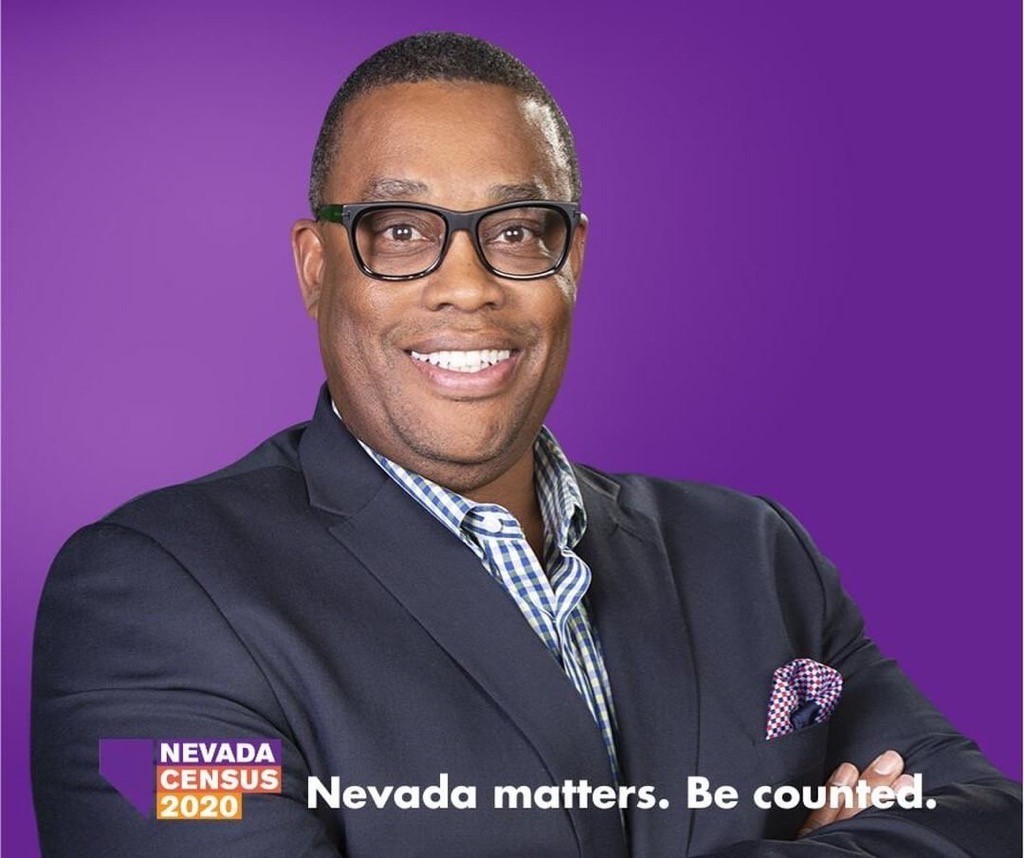
I encourage all residents to participate in the 2020 Census to help ensure the state of Nevada receives its share of funding for our state.
The U.S. Census Bureau begins following up with households in Nevada that have not yet responded to the 2020 Census.
Self-response rates in Nevada are 62.3 %, Clark County 62.6 % and Washoe County 65.5 %.
Households can still respond now by completing and mailing back the paper questionnaire they received, by responding online at 2020census.gov, or by phone at 844-330-2020. Households can also respond online or by phone in one of 13 languages and find assistance in many more. Those that respond will not need to be visited to obtain their census response.
What Households Can Expect
The Census Bureau will provide face masks to census takers and requires that census takers wear a mask while conducting their work. They will follow CDC and local public health guidelines when they visit. Census takers must complete a virtual COVID-19 training on social distancing protocols and other health and safety guidance before beginning their work in neighborhoods.
Census takers are hired from local communities. All census takers speak English, and many are bilingual. If a census taker does not speak the householder’s language, the household may request a return visit from a census taker who does. Census takers will also have materials on hand to help identify the household’s language.
If no one is home when the census taker visits, they will leave a notice of their visit with information about how to respond online, by phone or by mail. People are encouraged to cooperate with census takers and ensure that everyone who was living in their household as of April 1, 2020, is counted.
How to Identify Census Takers
Census takers can be easily identified by a valid government ID badge with their photograph, a U.S. Department of Commerce watermark, and an expiration date on the badge. To confirm a census taker’s identity, the public may contact their regional census center to speak with a Census Bureau representative.
About the 2020 Census
The U.S. Constitution mandates a census of the population every 10 years. The goal of the 2020 Census is to count everyone who lives in the United States on April 1, 2020 (Census Day). Census statistics are used to determine the number of seats each state holds in the U.S. House of Representatives and informs how billions of dollars in federal funds will be allocated by state, local and federal lawmakers annually for the next 10 years.
|