Holiday Safety Tips
Turkey Tips
- If you are considering frying your own turkey this year, consider some safety tips for turkey frying.
- Only use an approved turkey fryer with four legs and a built-in thermostat so proper oil temperature can be maintained. Make sure the fryer cannot tip over, a major cause of fires.
- Fry outdoors, away from buildings and other combustible items. Never use a fryer indoors. Keep children and pets away while frying.
- Follow instructions on what size turkey should be used, how it should be cooked and what type of oil to use.
- Make sure the turkey is completely thawed and dry. Do not stuff the bird and don’t forget to take out the bag of gizzards. Lower the turkey into the hot oil slowly.
- Never leave the fryer unattended. Wear fry gloves; regular oven mittens may not be insulated enough.
- Splashing oil can cause a flash fire and serious burns, so be careful. Avoid congregating around the fryer.
- Outside cooking devices used at apartment complexes must be kept at least 10 feet from any building or wall, cannot be under an overhang (such as a balcony) and cannot be used above the first floor (on patios of upper floors). This includes turkey fryers.
- Allow the oil to cool thoroughly before pouring it into another container for disposal. Several hours could be required to allow the oil to cool.
Traveling
The Wednesday just before Thanksgiving is the single most heavily traveled day of the year. Be extra cautious, leave yourself extra time, and plan ahead. Prepare for the unexpected while on the road. Have a first-aid kit properly stocked in your vehicle.
Make sure you and all passengers are properly seat-belted in and use designated drivers if alcohol or drugs are involved with any parties you attend. One third of all holiday driving fatalities involve alcohol impairment.
In unfamiliar areas, try to travel during daylight hours. Review your route in advance in the comfort of your living room and have alternate routes planned, as well. If you are traveling to higher altitudes, have extra precautions in your vehicle - blankets, cold-weather gear, a vehicle safety kit with flashlights, reflective triangles, flares, extra water and snacks.
Put your cell phone on silent so you are not tempted to answer a text or call while driving.
 In 1999, the Southern Nevada Water Authority formed the Youth Advisory Council to provide a forum for Clark County high school students to participate in the planning, policy development, and evaluation of water issues affecting Southern Nevada.
We invite students from grades 10 through 12 to participate on this year’s council.
Each year, council students receive expert instruction on local and regional water issues, and have the opportunity to tour essential water facilities, such as one of our water treatment plants. The students use this knowledge and experience to plan the annual SNWA Youth Water Summit held at the Springs Preserve in the spring.
We’re looking for students who:
- Show an interest in their community
- Can attend bi-monthly meetings held at the Springs Preserve
- Will be available to help organize the SNWA Youth Water Summit
- Can commit to serving on the council through the end of the school year.
For more information, please visit the website.
Please have students submit this interest form to us as soon as possible.
Thank you for your support. If you have any questions, please contact Abigail Phillips at (702) 822-7784 or abigail.phillips@springspreserve.org.
Biking Making Progressive Strides in Southern Nevada
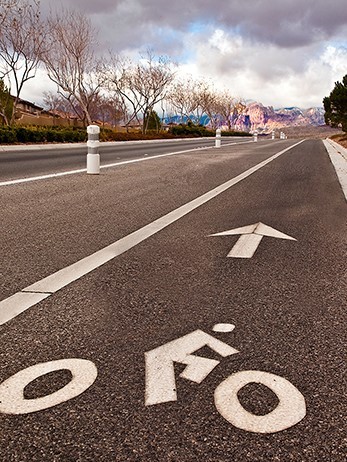
With fall in full swing, Southern Nevadans’ interest in bicycling continues to grow as communities and the Regional Transportation Commission of Southern Nevada (RTC) work to provide multi-modal options for getting around in support of the RTC-administered Southern Nevada Strong (SNS) vision.
The region’s wide and stunning vistas are ideal for biking enthusiasts virtually year-round. Making cycling even more accessible, the Las Vegas Valley boasts more than 1,000 miles of bike lanes, paved paths and shared roadways. The latest RTC Bike Map, updated this year, shows a 13- percent increase in miles of bike lanes, paths and routes, including 400 miles of “high comfort” roadways that are appropriate for all ages and abilities.
Biking interest also can be measured on RTC transit buses, which now carry 56,000 bikes per month. This is up more than 10 percent from last year and ranks as one of the highest among major transit systems nationwide.
Meanwhile, as the RTC Bike Share program wraps up its second year of operation with 180 bikes and 21 strategically located docking stations downtown, the RTC continues to link bicycle facilities to transit service and add bike routes along transit corridors. For example, there are nearly five miles of dedicated green bike lanes in the downtown area.
All of these developments prompted the League of American Bicyclists last May to move the city from bronze to silver on its list of “Bike Friendly Communities.” The League based the change on the strength of the bike-share program, “world-class (RTC) transit center with end-of-trip facilities for bicyclists,” among other forward-looking achievements.
In North Las Vegas, an electric bike program launched in September for city employees with the objective of promoting health while reducing vehicle emissions during short local trips. The RTC maintains the e-bike program via a $110,000 grant from Congestion Migration and Air Quality federal funds. More information for the above is available via the RTC’s website.
|