|
The need for the MRC became apparent after the 9/11 terrorist attacks, when thousands of medical and public health professionals, eager to volunteer in support of emergency relief activities, found that there was no organized approach to channel their efforts. Local responders were already overwhelmed and did not have a way to identify and manage these spontaneous volunteers, and many highly skilled people were turned away. A need to provide a way to recruit, train, and activate medical and health professionals to respond to community health needs, including disasters and other public health emergencies, was identified and would soon be addressed.
In early 2002, the U.S. Citizen Corps was created as a means to encourage and support citizens to serve their communities through volunteerism. The Medical Reserve Corps (MRC) was established under the umbrella of the Citizen Corps. The MRC is a national network of volunteers, organized locally to improve the health and safety of their communities. The MRC network comprises approximately 190,000 volunteers in 900 community-based units located throughout the United States and its territories.
At the local level, each MRC unit is led by an MRC Unit Coordinator, who matches community needs—for emergency medical response and public health initiatives—with volunteer capabilities. Local coordinators are also responsible for building partnerships, ensuring the sustainability of the local unit, and managing the volunteer resources.
Medical Reserve Corps volunteers include medical and public health professionals, such as physicians, nurses, physician assistants, pharmacists, dentists, veterinarians, emergency medical technicians, and epidemiologists. Community volunteers are also needed to serve in non-clinical roles. MRC volunteers supplement existing emergency and public health resources to prepare for and respond to emergencies at a local level. All volunteers receive free training.
|
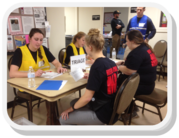
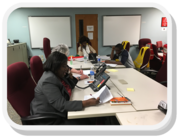
During a public health emergency, volunteers will be asked to perform duties in accordance with their interests, training, and experience. Such duties might include:
- Direct patient care
- Administrative duties
- Clerical or reception duties
- Translation services
- Phone bank/hotline operator
You may also work closely with staff members from the local health departments, emergency management agency, hospitals or other organizations that partner with the MRC.
|
|
 |
 |
|
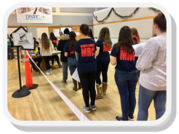
MRC volunteers may be notified, in advance, when any community event may require the need for medical or non-medical volunteers, such as participating in health fairs, local health department flu clinics or rabies clinics. Volunteers are also invited to participate in local or regional emergency preparedness trainings, drills, and exercises. Participation in any training, drill, exercise, or community event is voluntary and there is no minimum annual requirement for volunteer hours.
|
|
Community activities that MRC volunteers may be invited to participate in include:
- Vaccination Clinics
- Blood Pressure Screenings
- First Aid During Large Public Gatherings
- Planning, Logistical & Administrative Support
- Rabies Clinics
- Health Education and Promotion
|
|
 |
|