|
In Case You Missed It: 2025 Climate Week |
|

We hope you found New Jersey’s 2025 Climate Week informative and motivational!
In case you missed it, NJDEP issued a press release highlighting its many activities that make our residents, businesses, and communities more resilient to the increasing impacts of climate change.
NJDEP also issued a new report detailing the economic risks of climate change and a plan for how we will address the often-overlooked issue of ocean acidification.
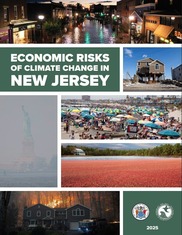
Economic Risks of Climate Change in New Jersey
Building on the 2020 Scientific Report on Climate Change and subsequent climate science studies, the inaugural Economic Risks of Climate Change in New Jersey report provides important context on how climate change is currently impacting New Jersey’s economy, and how experts anticipate a changing climate may affect New Jersey’s economic prosperity in the future.
Drawing on academic, government, and industry research, the report outlines how climate change is likely to impose far-reaching economic challenges throughout the state. Rising seas, increasing heat, wildfires, and heavier flooding are projected to strain transportation networks, energy supplies, and water infrastructure. Evidence also indicates that declining property values, recurring storm damage, and evolving insurance markets could erode municipal tax bases and elevate borrowing costs, while key sectors such as tourism, agriculture, and local government finances may experience growing fiscal challenges if these risks are not proactively managed.
|
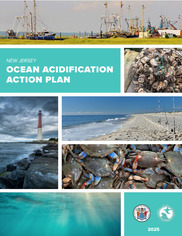
New Jersey Ocean Acidification Action Plan
The NJDEP created an Ocean Acidification Action Plan to address ocean and coastal acidification. Left unchecked, this global issue will negatively impact the balance of the ecosystem as well as the state’s fish and shellfish industries. Shellfish are particularly vulnerable through the impacts of acidification on shell formation.
The New Jersey Ocean Acidification Action Plan identifies steps that the NJDEP has already taken that can help mitigate ocean and coastal acidification and outlines the Department’s next steps to better understand the current conditions and prepare for additional impacts of ocean and coastal acidification.
|
You received this email because you subscribed to Climate Resilience Manage Preferences or Unsubscribe
If you were forwarded this email, join the Climate Resilience mailing list here.
|
|
|
|