|
The DEP's Coastal Management Program has been awarded $72 million from the (NOAA) to implement Building a Climate Ready NJ, supporting transformational resilience initiatives in New Jersey’s coastal counties. Building a Climate Ready NJ will enhance resilience in many of New Jersey’s most densely developed municipalities; commit resources to help overburdened communities plan, design, and implement projects that protect against the worsening impacts of climate change; and For more information, visit climateready.nj.gov or check out the press release.
Extreme Heat Resilience Action Plan Released

The New Jersey Interagency Council on Climate Resilience (IAC) recently released the Extreme Heat Resilience Action Plan, the first of its kind in the state! This innovative Plan targets the deadly impacts of extreme heat. With New Jersey warming faster than the rest of the Northeast and having experienced its third-hottest summer in 2022, this Plan is a crucial step forward. The Plan empowers state agencies to integrate climate resilience into their policies, programs, and regulations, ensuring a cooler, safer future for all New Jerseyans. For more information on the Plan, please read the press release.
|
NJ extreme heat efforts receive national attention
Matters of extreme heat are rising in prominence, urgency and importance among adaptation practitioners. During the 6th National Adaptation Forum (a biennial convening for adaptation professionals) New Jersey’s Extreme Heat Resilience Action Plan efforts were featured alongside speakers from New York, North Carolina and the Pacific Northwest in a session entitled “Addressing Heat at the State and Regional Level”. The panelists considered partnerships across disciplines, collaboration and coalition-building, “de-siloing” adaptation efforts, and focusing on the disproportionate burdens of extreme heat from various angles. With nearly 100 people in attendance, this panel ranked in the top 15 (out of over 100 total sessions) at the Forum!
(Pictured from left to right) Leo Bachinger, NYS Department of Environmental Conservation; Resham Patel, University of Washington School of Public Health; Nathaly Agosto Filión, NJ DEP; Amanda Martin, State of North Carolina.
Diving Deeper: Chill Out NJ
Part of the Earth Day 2024 reboot of Heat Hub NJ was Chill Out NJ, a one-stop interactive map designed to help New Jerseyans find oases from the heat near where they live, work and play. Chill Out NJ boasted over 34,400 views through July 2024! New Jersey residents can use the online or mobile versions to search for a variety of free- or low-cost options to keep cool when the temperature rises. The application provides locator information and directions via google maps, where available, for lake and ocean beaches, state and county parks, public libraries, swimming pools and spray pads, and senior centers throughout New Jersey. Residents are encouraged to email HeatHubNJ@dep.nj.gov with updates to location openings or closings or other information.
Chill Out NJ is not the State’s official locator for “cooling centers”, which are officially designated locations assigned by local emergency management during heat waves. Residents are directed to NJ211 to find official cooling centers near them.
"Has it Always Been this Hot in NJ?" Webinar
On August 13th, The New Jersey Interagency Council on Climate Resilience (IAC) hosted a panel of climate and weather experts to discuss how and why NJ’s temperatures have changed over time and what we can expect moving forward. You can watch a recording of the webinar on Heat Hub NJ. You can also check out the NJ Spotlight News article covering the webinar here!
New Jersey defines resilience as the ability of social and ecological systems to absorb and adapt to shocks and stresses resulting from a changing climate while becoming better positioned to respond in the future. Resilience holds particular significance for New Jerseyans, including Governor Murphy who in 2019 signed Executive Order 89 which established the Chief Resilience Officer position, the Interagency Council on Climate Resilience, and the Office of Climate Resilience, all dedicated to mitigating the impacts of climate change. New Jersey has continued these efforts and has a plan. Learn more!
 |
Blue Acres staff, in cooperation with colleagues at the NJ Department of Community Affairs (DCA) Division of Disaster Recovery and Mitigation, are moving forward with HUD-funded buyouts in Ida-impacted New Jersey communities. The federally required environmental review public comment period closed on August 8. For a better understanding of the Blue Acres buyout process, please see our infographic here.
As the public comment period has closed, DCA will submit a request to HUD for the release of funds through their Community Development Block Grant (CDBG) Program, which aims to aid low- and moderate-income households in New Jersey’s 12 counties where households were deemed Most Impacted and Distressed by Ida. As funding is made available and buyouts move towards closing, Blue Acres will continue to work with individual applicants, and provide updates to the general public via their newsletter and website.
Stay informed, stay prepared, and stay safe.
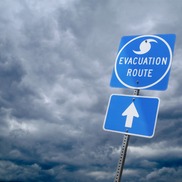
Hurricane season officially began on June 1st and lasts until November 30th. This year, experts are predicting a record-breaking season, with NOAA meteorologists projecting 17-24 named storms. NOAA’s outlook for the 2024 Atlantic hurricane season includes a 90% chance of an above-normal season.
Meanwhile, climate scientists at Penn State University have made even more severe predictions, projecting 33 named storms in the North Atlantic, the highest number ever projected. AccuWeather’s predictions are more closely aligned with NOAA’s, forecasting 20-25 named storms. Meteorologists warn that this could lead to running out of names for tropical storms and hurricanes.
For more information about how to prepare your family and your home for hurricane season, check for guidance from your municipal Office of Emergency Management, and consider subscribing to their alerts if available. Additional nationwide guidance is available from agencies such as FEMA and NOAA.
|
|