Help Strengthen New Hampshire’s Direct Support Workforce
According to the U.S. Department of Labor, there is a nationwide shortage of Direct Support Workers (DSWs) — the people who provide essential care for older adults and individuals with disabilities. The first step toward addressing this challenge is gathering reliable information.
That’s why BAAS has contracted with the UNH Center on Aging and Community Living to lead the State of the Workforce Survey, part of the Advancing States National Core Indicators Initiatives. This survey gathers key information on direct support workforce stability, compensation, recruitment, and retention.
👉 What we need from you:
We are asking provider agencies that employ DSWs to identify a primary contact person to coordinate completion of the survey. Eligible organizations include those whose clients use Medicaid waiver programs, Medicaid state plan services, state-funded programs, and Older Americans Act programs.
Please use this link to provide the name and contact information of the individual who can lead your organization’s survey effort by September 18, 2025. The designated contact should have access to payroll and human resources data, including compensation, benefits, recruitment, and retention information.
Questions? Contact:
Laura Davie, Co-Director, Center on Aging and Community Living
📧 laura.davie@unh.edu | ☎ 603-862-3682
Lisa Dunham, Project Director, Money Follows the Person, NH DHHS/BAAS
Together, we can strengthen New Hampshire’s long-term services and supports workforce.
 Training series developed for Case Managers and Service Coordinators to enhance the experience of individuals receiving home and community-based services (HCBS).
This training series was developed through a DHHS contract with the Human Services Research Institute (HSRI), in collaboration with the University of Missouri Institute for Human Development and the University of New Hampshire Institute on Disability.
Course content was enriched by contributions from the Bureau of Developmental Services, Bureau of Adult and Aging Services, and informed by input from individuals using HCBS, families, case managers, service coordinators, self-advocates and field experts.
The training series consists of two courses, each featuring several interactive modules. Each module is designed to take about 1 hour to complete, but there’s no time limit. You can start, stop and revisit each module as often as you like.
• Course 1: Foundations for Person-Centered Service Planning, Service Coordination and Case Management
• Course 2: Home and Community Based Services Waivers
Read more about the training and sign up today!
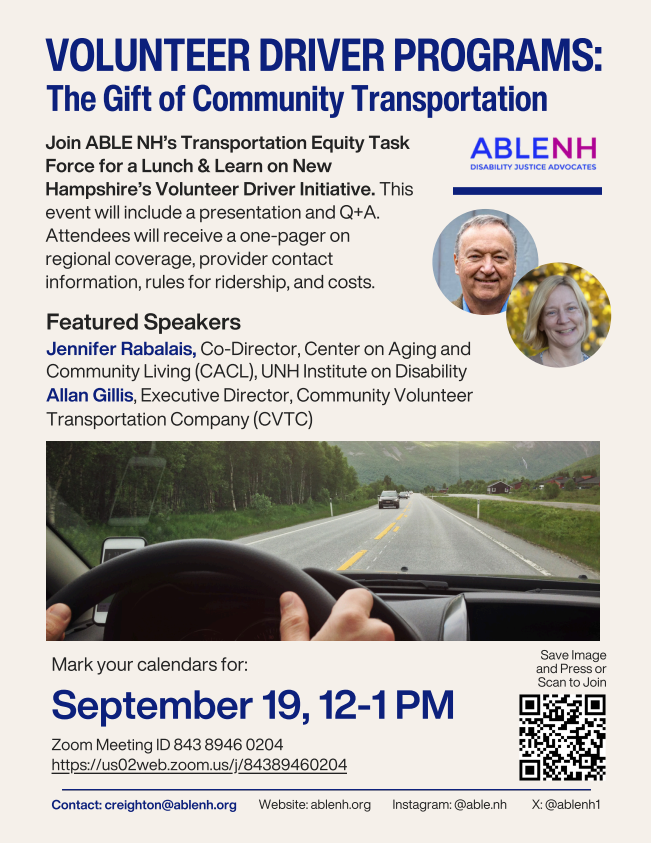
National Falls Prevention Awareness Week
Falls Prevention Awareness Week is a national health campaign observed on the first day of fall to increase awareness around falls health and injury prevention. Get ideas to raise awareness in your community.
Falls Prevention Awareness Week Toolkit
Falls among older adults continue to be a national public health concern. Join NCOA Sept. 22-26, 2025, for Falls Prevention Awareness Week (FPAW), a nationwide observance with state coalitions and partners to raise awareness on preventing falls, reducing the risk of falls, and helping older adults live without fear of falling.
 Older Adult Fire & Fall Prevention Training
Geared to Fire and Community Health Providers Who Provide Care to Older Adults
Education credits and lunch are provided
September 24th, 2025
9:00am-3:00pm
Concord, New Hampshire
REGISTER today – Space is limited to 100 people.
 Stronger Together
Seizing the Opportunity of the Moment
Presented by Hannaford Supermarkets
September 19 | 8:45 am - 3:00 pm
Cross Insurance Center | 515 Main Street, Bangor, ME 04401
$125 per person | Discounts and scholarships are available | Contact Julie Guerette for more information
Join MCOA for a powerful day of learning, connection, and action at the 2025 Change AGEnt Summit. This year’s theme, Stronger Together: Seizing the Opportunity of the Moment, invites changemakers, advocates, and community leaders from across Maine to come together and explore how connection and creativity can spark innovative, culturally responsive solutions to our existing and new challenges with the goal of creating more equitable and interconnected systems of community, well-being, and support.
 Navigating Together
Wednesday, October 1, 2:00 pm ET
After watching the September webinar live or the recording on the TSLCA Vimeo channel, join us for our next Navigating Together discussion on the vital themes of communication and advocacy. This is your chance to discuss challenges and successes in conveying the implications of policy and funding changes and explore leveraging the research and techniques introduced in the TSLCA's September webinar.
The Navigating Together series is designed to cultivate collaboration and the exchange of successful strategies, with the aim of promoting regional replication of effective approaches across Maine, New Hampshire, and Vermont. We warmly welcome all members of the TSLCA community to participate, regardless of prior attendance, as your voice and experiences are invaluable to our shared mission.
SAVE THE DATE
for the TSLCA's October Webinar with the National Center to Reframe Aging
Tuesday, October 28, 2:00 pm ET
Register today for the TSLCA's October webinar with the National Center to Reframe Aging! The National Center to Reframe Aging is dedicated to ending ageism by advancing an equitable and complete story about aging in America. This webinar is a great chance to learn more about their work and how organizations are utilizing the research discussed in the TSLCA's September webinar with the FrameWorks Institute.
This event is more than just a date on your calendar; it's a pivotal moment to equip yourself with the tools necessary to reshape conversations around aging and foster positive social change.
Can't make it to the live event? Register to receive the webinar recording!
 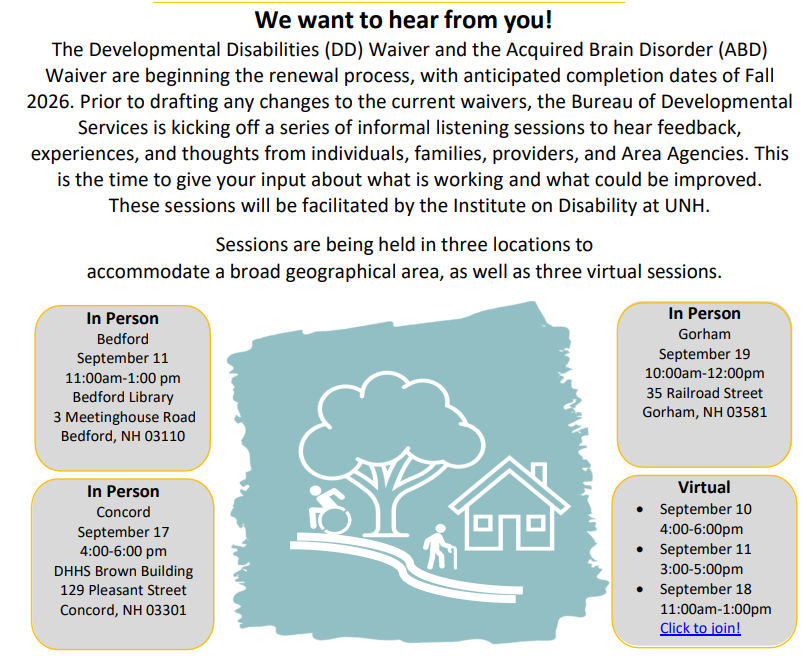
If accommodations are required for communication access such as interpreters, CART (captioning), assistive listening devices, or other auxiliary aids and/or services, please contact Peggy Sue Greenwood at peggy.s.greenwood@dhhs.nh.gov or (603) 271-5034. At least 5 business days advance notice is requested in order to assure availability; requests made fewer than 5 days prior to the event will attempt to be accommodated but cannot be guaranteed.
 We are pleased to share this flyer with you for our upcoming training about recovery language and the impact it has for people in recovery and for our communities.
In recovery circles, we talk about recovery capital and how individuals and families who recover can build this, as well as how communities build capital. When we ‘talk recovery’, we demonstrate our experiential belief that recovery is a reality, helping others to believe in recovery, lessening stigma and discrimination faced by the people who need recovery. This leads to a recovery-welcoming community, strengthening recovery capital within our communities. We change societal expectations from disease and despair to what is possible when people have support to change their lives. These external resources help those impacted by SUD and mental health conditions find the supports they need to sustain recovery efforts.
This training will address the ways that using recovery language builds recovery capital for the speakers, as well as the culture around us, instilling hope. Join us on October 27th for this workshop about Recovery Language as a catalyst for positive change. You can register here. Please spread the word. Thank you!
 |
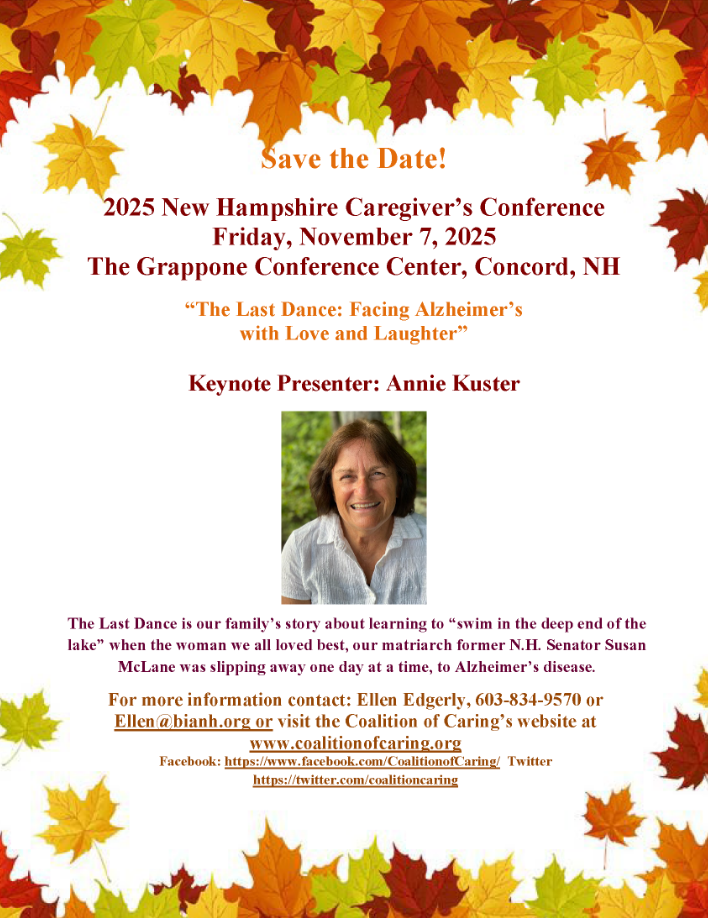
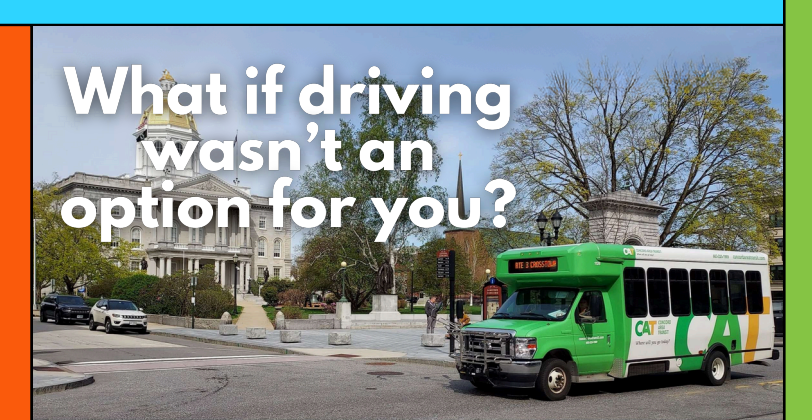
What if for just one week you experienced your daily life without relying on a car? How might it change your perspective on the way your community moves? How difficult or dangerous would it be to go to work or run errands if you could not drive?
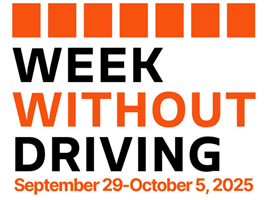
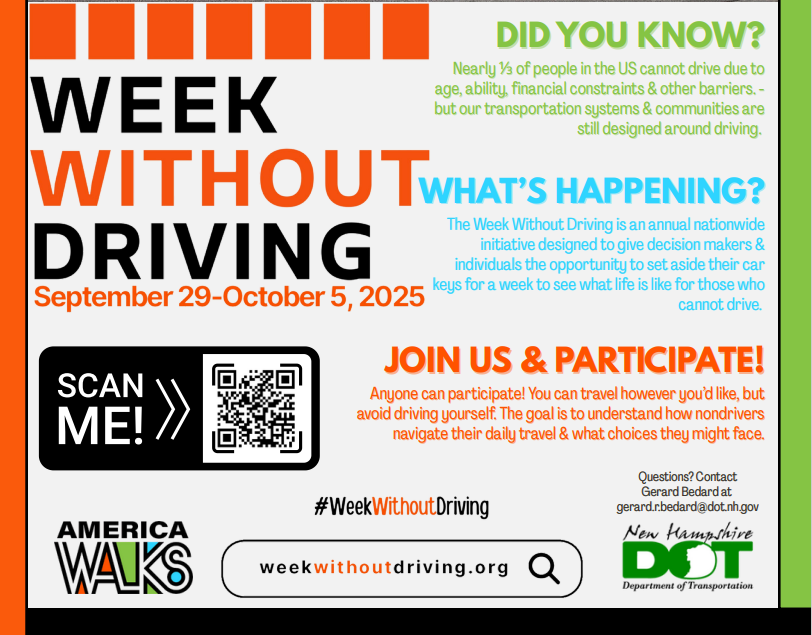
From September 29th through October 5th, we invite you to join North Country Council for the Week Without Driving! This initiative isn’t just about experiencing life without driving; it is a way to reflect on the difficulties and challenges faced by members of our communities who cannot operate or afford a vehicle to get around in their daily lives.
Nearly a third of people in the United States, including individuals with disabilities, young people, seniors, and those who cannot afford the costs associated with car ownership, navigate their lives without personal vehicles. Their experiences highlight the importance of connected, accessible, reliable public transit and safe, active transportation options for all.
Anyone can participate! You can travel however you’d like, but try to avoid driving yourself. Some alternative modes of travel can include...
• Biking
• Public Transit
• Walking/Running
• Carpool
The goal of the Week Without Driving is to understand how nondrivers navigate their daily travel and what choices they might face by:
• Reflecting on how you might get around your community if you were unable to drive,
• Challenging yourself to think about how our communities are built to allow everyone to safely get around, and
• Learning what transportation options are available for people who are unable to drive.
Your participation can bring a fresh perspective and insights into the challenges and opportunities within our transportation system. You can share any of your Week Without Driving experiences at https://weekwithoutdriving.org/story/.
Join us today by signing the pledge to participate at https://weekwithoutdriving.org/join/ or share this email with your network to help spread the word!
 AHA Moments: September 2
AHA Moments: September 9
|