|
July 2026
Get Home Safe Newsletter
|
|
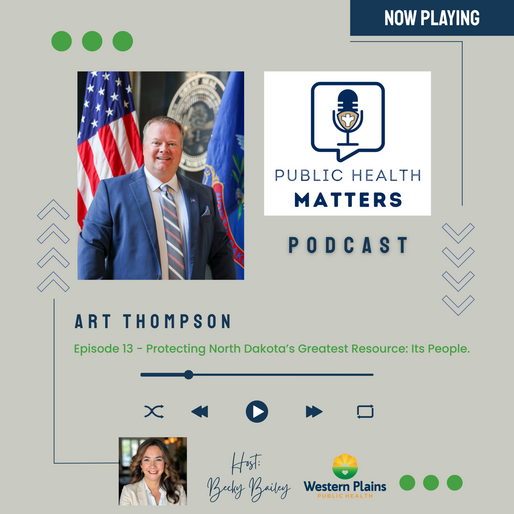
Listen In: Safety Starts with a Conversation
This month, we're featuring a podcast conversation about how workplace safety and public health go hand in hand. WSI Director Art Thompson joins Western Plains Public Health's Becky Bailey to discuss the connection between safety and health, the role of safety culture and one simple action anyone can take to make safety part of every day.
Listen to this month's episode of Public Health Matters on Spotify, Apple Podcasts, or click the button below to listen on Radio Access.
|
|

July in North Dakota can bring thunderstorms, tornadoes, hail, lightning, flash flooding and extreme heat. Severe weather can develop quickly, which is why preparation matters long before the first warning is issued.
Severe weather is not just an outdoor work issue. Office employees, remote workers and traveling staff all need to know where to go and what to do when conditions change.
A strong severe weather plan starts with three questions.
|
1. When Do We Stop?
- Establish clear stop-work procedures for outdoor crews and make sure employees know who has the authority to pause operations.
- Ensure supervisors and field crews to monitor changing weather conditions throughout the day, especially in construction, agriculture, utilities and oilfield operations.
- Reinforce lightning safety with a simple rule: When Thunder Roars, Go Indoors. Workers should seek sturdy shelter immediately when thunder is heard.
2. How Do We Account for Everyone?
- Include employees, contractors, visitors and remote staff in communication and check‑in procedures.
- Ensure remote and lone workers have reliable ways to stay in contact during storms.
- Review shelter locations, evacuation routes and shelter‑in‑place steps.
- Conduct annual severe weather drills and keep emergency kits stocked.
3. When Is It Safe to Restart?
- Wait at least 30 minutes after the last sound of thunder before resuming outdoor work.
- After severe weather passes, inspect worksites for downed power lines, storm damage, slip hazards and unstable structures before restarting operations.

Why It Matters
Preparation creates confidence when conditions change.
When workers know where to go, who to contact and when to stop work, they can respond quickly and safely.
Planning ahead protects your workforce, supports business continuity and helps everyone get home safe.
Additional Resources
|
|
|
Help Your Team Stay Weather Ready
|
|
Download the monthly poster
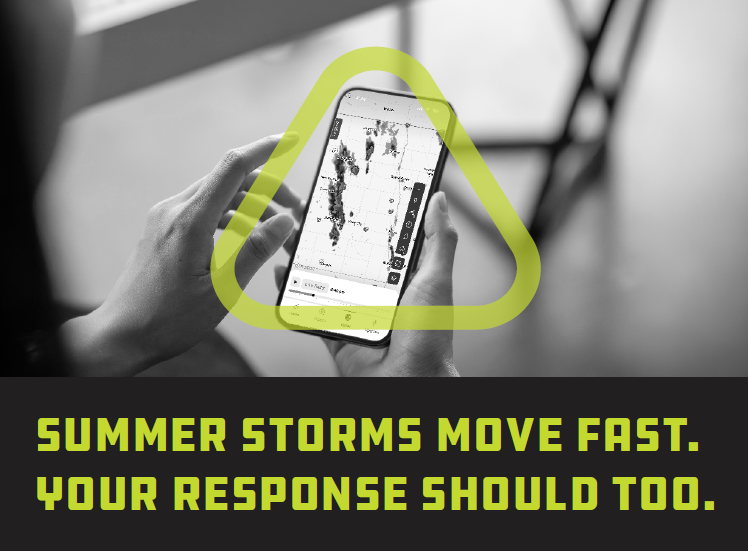
Download the poster pack to receive 4 posters with different header images. Display these posters in break rooms, job sites and common areas to reinforce severe weather safety throughout the month.
Download the monthly message
Save time by using this ready-to-send employee message in your workplace communications.
This message is great to:
- Copy into a routine safety email.
- Discuss in safety meetings.
- Post on your intranet.
|
|
|
Looking for more workplace safety resources? Explore our library of posters, videos, previous monthly toolkits and the Get Home Safe online store.
If you received this newsletter from a friend, learn more about Get Home Safe North Dakota and sign up to have monthly resources delivered to your inbox.
|
|
|
|