NDDPI CNFD Office will host the quarterly “Across the Desk” training on Tuesday, Jan. 14, at 2 p.m. CST. "Across the Desk" provides an update on the administrative side of USDA meal programs. January’s training will include:
-
Verification Summaries/Free and Reduced Numbers
-
Procurement for 2025-26 School Year
-
USDA’s Local Food for Schools and Childcare Grant Program
-
Summer EBT Update
January Edition, Jan. 21 at 2 P.M. CST
North Dakota’s communities are becoming more vibrant and multicultural as people from various backgrounds and regions make our state their home. This diversity brings exciting opportunities for our schools and kitchens to connect across cultures—but it also presents new challenges. How might this growing diversity impact your school kitchen?
In this month’s KCC session, we’ll explore:
-
Diversity in North Dakota: Learn key facts about the cultural and demographic changes shaping our state.
-
Communication Tools: Discover resources for effective communication and translation to support Kitchen staff from diverse backgrounds in their duties.
-
Cultural Food Preferences: Gain insight into serving culturally significant meals, such as kosher and halal diets and Indigenous recipes that honor tradition.
This session is designed to equip you with practical tools and knowledge to create an inclusive and welcoming kitchen environment for all. Don’t miss out on this important conversation!
We look forward to seeing you there!
As always, prior webinar recordings are posted on our website for viewing: UPDATES | North Dakota Department of Public Instruction (nd.gov).
It may be winter, but summer is just around the corner and it’s time to start thinking about the USDA SUN Bucks Program. There are many ways that schools can help ensure families can participate and receive benefits under the SUN Bucks (Summer EBT) program in North Dakota.
There are two main pathways to determine if a child is eligible for SUN Bucks: streamlined certification and SUN Bucks application. Streamlined certification enables families to receive benefits automatically without having to complete a SUN Bucks application because they are already eligible for free or reduced-price meals. Streamlined certification is done through the collection of school data. NDDPI captures this data through PowerSchool or by collecting lists of students who are certified for free or reduced-price meals from private or Tribal schools. The goal is to collect complete and accurate school data that contains all of the information needed to issue benefits through the streamlined certification process. NDDPI will pull the initial data on Feb. 3.
From now until Jan. 31, schools can verify that the following information is up to date and accurate in their enrollment systems/databases:
-
Household Mailing Addresses – many families in rural areas use P.O. Boxes to receive mail. Families living in rural areas may have provided a physical address (receives no mail) instead of a mailing address when enrolling their child. Updated household data to include a mailing address will help ensure benefits can be mailed directly to the family.
-
Household contact information – make sure to have complete and accurate phone numbers and email addresses for parents and/or guardians.
NDDPI will host webinars and monthly calls to provide guidance to schools on how they can ensure kids receive the benefits of the SUN Bucks program.
-
Jan. 14 (2 p.m. CST) – Across the Desk where NDDPI staff will provide an update on the SUN Bucks program and provide guidance on ensuring accurate household information for streamlined certification.
-
Jan. 16 (2 p.m. CST) – SUN Bucks webinar for CEP and Provision schools on data collection for streamlined certification. Watch for an email invitation and please register.
January Harvest of the Month
This month, we are celebrating wheat with our favorite whole-grain-rich recipes. North Dakota farmers are our nation's top producers of hard red spring wheat and durum.
Whole grains are just simply grains that have all three parts included in the flour after milling: the bran, endosperm, and germ. When these parts are intact the grain is filled with more fiber, B vitamins, minerals, protein, vitamin E, phytochemicals, and healthy fats. Whole grains can help control blood sugar spikes, reduce cholesterol, reduce blood pressure, and help with brain function.
As we enter the month of January, USA citrus, such as oranges, have their best flavor along with great pricing. It is the peak season for citrus, so lets take advantage by promoting during the month. Oranges are a beloved fruit, prized for their refreshing juiciness and sweet, tangy flavor. Among the many varieties, Navel, Cara Cara, Blood, and Valencia oranges each offer distinct taste experiences, making them favorites for different uses.

Navel Oranges: Perhaps the most familiar, are known for their easy-to-peel skin and bright, zesty flavor. They are typically large, with a sweet and slightly tangy profile that makes them perfect for snacking. The navel variety is seedless, making it convenient for on-the-go enjoyment and a popular choice for families and kids alike.
Cara Cara: These oranges stand out for their unique pinkish-red flesh, offering a sweeter, berry-like flavor compared to the more acidic taste of traditional oranges. These oranges are a type of navel orange, so they share the same seedless convenience, but their distinctive flavor profile makes them particularly appealing for those who enjoy a less tart citrus experience. With hints of strawberry and a smooth, honeyed finish, Cara Caras are perfect for a refreshing snack on their own.
Moro Oranges (Blood): Easily recognized by their deep red to purple-colored flesh, offer one of the most complex flavor profiles among oranges. Their tangy, sweet flavor is often paired with hints of raspberry, making them perfect for those who enjoy a bolder citrus taste. The earthy undertones of blood oranges add a unique depth, setting them apart from other varieties.
Valencia: These are synonymous with fresh orange juice. Known for their high juice content, they combine a perfect balance of sweetness and acidity. While not as commonly eaten fresh due to their thinner skin, seeded flesh, and slightly more complex peel, they shine as the quintessential juicing orange, delivering a refreshing and tangy drink that's both sweet and satisfying.
Bonus Item: Kumquats: We can’t forget about these little gems. With a sweet rind and a sour flesh, these are best eaten whole. Just wash the outside well and serve. Kids will be amazed that we can eat the skin!
|
New USDA Memos
SP 06-2025: NSLP Equipment Assistance Grants: Installation Expenditures
- Summarizes allowable expenses to include in a NSLP Equipment grant application including equipment delivery, maintenance contracts, minor facility modifications and disposal of old equipment.
- Cost must be associated with the equipment and be reasonable, allocable and necessary.
- Find the memo here: Equipment Grant expenditure clarification memo
Public Comment Opportunities
1. Request for Information to inform the USDA development of the Child Nutrition Programs Tribal Pilot Projects.
2. Request for comments from the public to obtain input to help inform future policymaking, guidance, and technical assistance related to grain-based desserts and high-protein yogurt crediting in Child Nutrition Programs.
Healthy Meals Incentives Recognition Awards
- Are you blazing new trails or using innovative strategies to improve school meals? If so, you are eligible to apply for a recognition award through the USDA Healthy Meals Incentives (HMI) Initiative, and Action for Healthy Kids!
- For more information on how to apply, click here: Recognition Awards - Action for Healthy Kids
Multiple questions regarding issues included in the Hazard Analysis of Critical Control Points (HACCP) manual located in each kitchen were fielded this month. Since we are in the cold months of the year and close quarters are a way of life in schools, it would be a good time to review the HACCP manual as a staff to make sure that standard operating procedures are practiced at all times.
The Health Inspector will be particularly interested to see that you have the "Cleaning and Disinfecting Body Fluid Spills" procedure available. Post the SOP on your bulletin board or hang it on the door of the cleaning closet so it is at your fingertips if needed.
Recalls have been in the news lately with the most prominent one being a recall of onions served with McDonald’s hamburgers. Do you know what to do in the event that your kitchen receives a recall notice? Find the "Handling a Food Recall" in the HACCP manual.
What if a child or two or more students end up getting sick from a meal that was served from your school kitchen; do you know how to deal with a Foodborne Illness Outbreak? Find the "Communicating During a Foodborne Illness Outbreak" SOP in the HACCP manual.
Based on the number of times that school kitchens around the state have been written up by a health inspection during the fall inspection season, it would be a good time to review "Date Marking and Ready-to-Eat, Time/Temperature Control for Safety Foods" SOP in the HACCP manual.
Reminders: If you cannot find your HACCP manual, please contact our office as this is a required "book" to have on-site at all times.
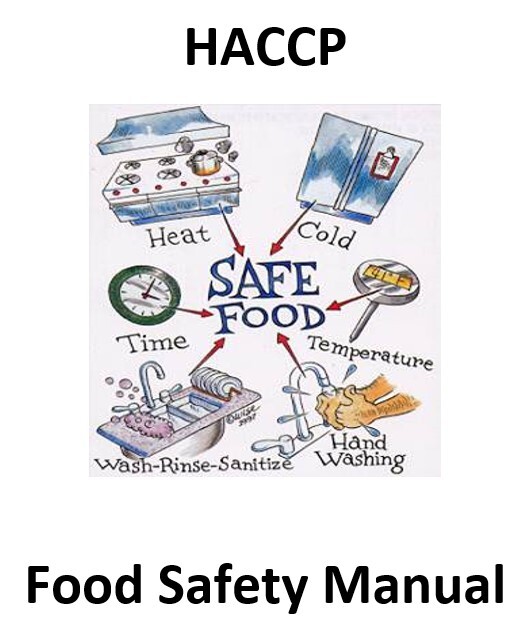
The image on the left is what the cover of the latest HACCP Manual looks like. If your manual is in a 3-ring binder, you may not have the most current version with all of the standard operating procedure templates. Please request a new one by emailing us at dpicnfd@nd.gov.
Remember that going through the HACCP manual would equate to Professional Development. Log all 15-minute or more training sessions that are completed with staff.
|
North Dakota Team Nutrition has been working behind the scenes to get our training program organized and ready for you!
Meal Pattern Modernization for the Dakotas has a logo!
With the help of the marketing firm, Odney, North Dakota Team Nutrition finalized the logo for this training program.
Team Nutrition will begin taking the lead on Kitchen Counter Conversations in February to bring you up-to-date information on the new meal pattern changes. We will start our conversations on added sugars, specifically within breakfast items, and talk through the product-specific limitations.
We are building out the material for a 6-hour in-person training on reducing added sugars in school meals. We have brought on a culinary expert who will create an engaging, hands-on skill-building portion of the day. This training will be available during the 2025-2026 school year. We can’t wait to share these new ideas with you!
Get a jumpstart on your training, by checking out the USDA Team Nutrition training series to help schools plan and implement the reduced sugar requirements in the coming years. These are quick, 15-minute trainings:
|
Speaking of professional development, many of the manufacturers that school food service generally partners with have opportunities for learning and growing your skills with their products. Topic areas may fit under menu planning, food production, maintaining food quality and appearance or food safety for your professional development log.
To name only a few of the many, check out these:
-
Rich’s K-12 Continuing Education: K-12 Continuing Education CEU Credits & Trainings | Rich's Academy (Sessions such as: K-12 Pizza Fundamentals; Feeding a Crowd: Batch Cooking Basics; K-12 Kitchen 101; Incorporating Vegetables into K-12, etc.)
-
Land O Lakes K-12 YouTube: (653) Landolakesfs - YouTube with K-12 Pizza Theme Recipes; Virtual Ideation Series with LOL products; K12 Recipe Prep Guides; Using Sauces; etc.
-
Tyson ‘Sharpen Your K12 Toolkit Through Training Videos’: Tyson K-12 Training with Best Cooking Prep Practices; Add more Flavor, Not more Sodium; Awesome Sauce; Ramen Bar Demo; etc.
If you find other manufacturers with K12 resource training areas, please let us know and we will get the information out to your peers.
The Institute of Child Nutrition also has a new 1-hour webinar to provide school nutrition professionals with quick tips, tools, and knowledge needed to meet the nutrition standards for added sugars and sodium. Watch this recorded 1-hour webinar with the Institute of Child Nutrition:
These sessions all count toward the professional development hours required each year.
Expand Your Knowledge with SNA Professional Development Opportunities: SNA Membership - School Nutrition Association
The School Nutrition Association (SNA) offers a wide range of professional development opportunities designed to enhance your expertise in running school meal programs. Whether you prefer in-person events, online discussions, or pre-recorded webinars, there’s something for everyone.
These trainings often feature school nutrition professionals who understand the challenges you face and offer practical solutions to common issues. Explore the SNA Training Zone to find a full list of available opportunities: SNA Training Zone
Many SNA webinars are exclusively for members, but your professional membership can be paid for through your school foodservice account as an allowable expense. Consider exploring the value of SNA membership and sharing its benefits with your administration to gain their support. Learn more here: Membership Recruitment - School Nutrition Association
When you join the SNA, you gain access to resources at both the national and state levels, opening doors to tools, support, and connections that can benefit your entire program. Explore these resources here: School Nutrition Resources - School Nutrition Association
Invest in your growth and your program’s success with SNA!
|
School Garden Support Organization Leadership Institute Apply by Jan. 22, 2025. Every year, the School Garden Support Organization Leadership Institute allows school garden professionals from across the country to collaborate, learn from one another, and develop resources to share with a national audience. In this way, we all can better support school gardens in our regions and advance the national school garden movement. Learn more and apply here!
2025 Patrick Leahy Farm to School (and ECE) Grant Program RFA Open Deadline: Jan. 10, 2025. The fiscal year (FY) 2025 Patrick Leahy Farm to School Grant Program requests for applications (RFAs) are now open. To apply, visit Grants.gov and follow the instructions found in each FY 2025 RFA. This year the RFA has been split into three separate solicitations:
GroMoreGood Garden Grants: Deadline: Jan. 10, 2025. The National Head Start Association (NHSA) will award grants in variable amounts depending on demonstrated need and proposal in the application. Grants will supplement needs of existing garden projects, help launch new garden projects, or supplement/launch outdoor green space projects (land that is partly or completely covered with grass, trees, shrubs, or other vegetation and an option for children and the community to learn). Any Head Start program that is a current NHSA member may apply. Applicants must have the plot of land in their possession at the time of the application with at least a two-year commitment for the garden to be on that property. Grant awards will vary from $2,500-$5,000 in an effort to supplement needs of existing garden projects, to help launch new garden projects, or to supplement/launch outdoor green space projects (i.e., land that is partly or completely covered with grass, trees, shrubs, or other vegetation and an option for children and the community to learn). The Initiative will be awarding a total of $50,000 in grant awards. Get more details and apply here.
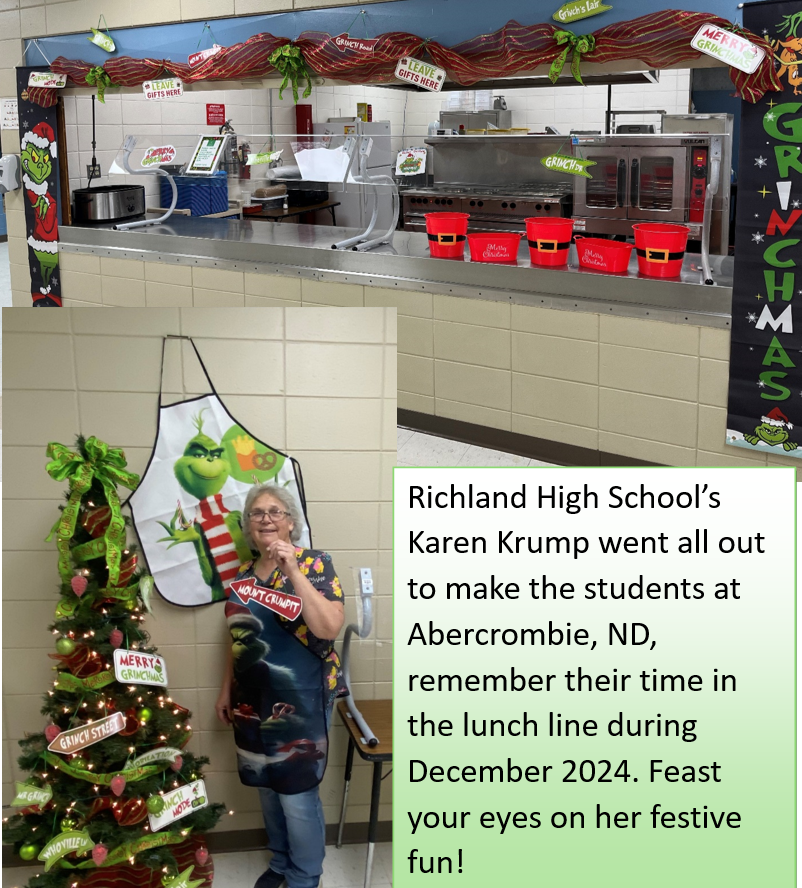
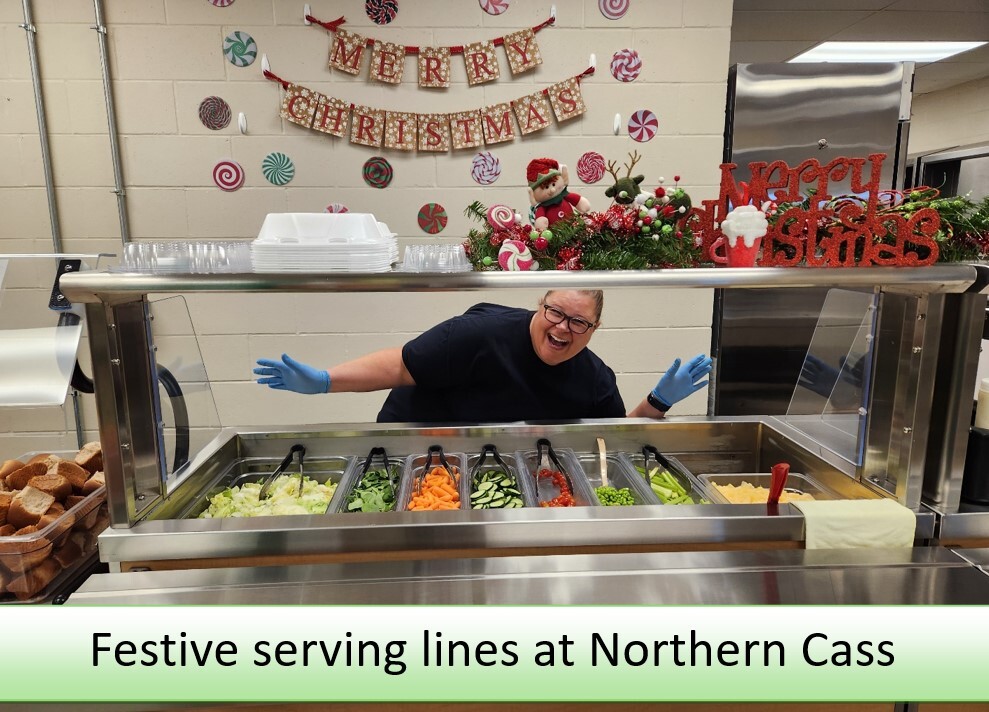
A December to Remember
|