|
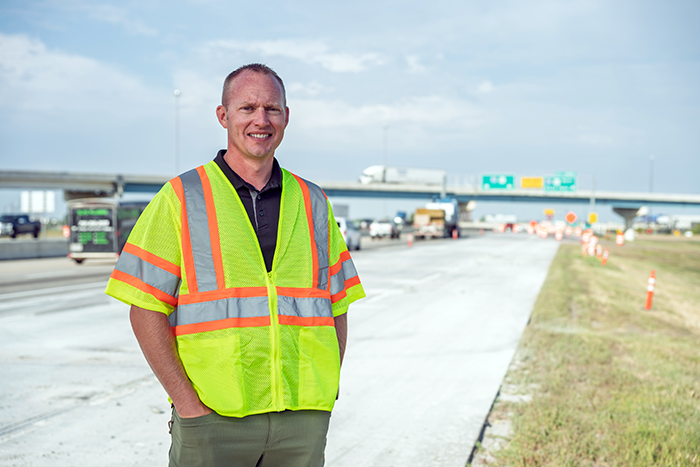 Justin Oss named regional ATSSA director-at-large
Justin Oss has been named a director-at-large for the Northland ATSSA chapter. Oss, a transportation engineering team lead from NDDOT's Fargo District, began serving his two-year term this summer.
Directors-at-large are decision makers and vote on the best ways to allocate each chapter’s budget. Each year, the Northland chapter holds a How-To Conference in Fargo that highlights overall safety in the work zone, such as traffic control, new safety products and legislation changes. Board and chapter members plan, acquire speakers and organize the conference, which may also qualify for continuing education credits.
“It’s an opportunity for great collaboration for a lot of different folks who share the same goal of traffic safety,” Oss said. He said he enjoys networking and sharing ideas with other DOTs, contractors, and suppliers.
Justin Ramsey from Environmental and Transportation Services also represents NDDOT in the chapter.
The American Traffic Safety Services Association (ATSSA) was formed in 1969 to advance roadway safety through legislative advocacy, traffic control safety training and information sharing. It has 28 chapters in the United States. The Northland chapter consists of North Dakota, South Dakota and Minnesota, and has around 575 members.
|
|
 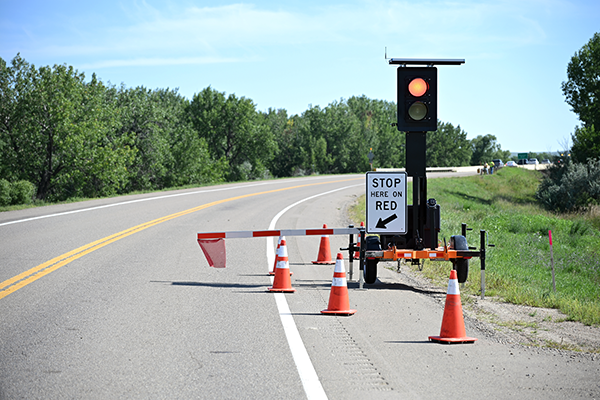
Safety is always top priority here at NDDOT. With support from the 69th Legislative Assembly, our Executive Team designated $2.5 million to enhance safety equipment across the state.
The investment helped fill critical needs and improve safety for highway workers and the traveling public. With the funding, NDDOT purchased:
-
32 trailer-mounted crash attenuators: Equipped with integrated message boards, these units create a protective barrier between highway workers and traffic and help reduce the risk of serious crashes in work zones.
-
One automated flagger assistance device (AFAD): This device allows traffic to be controlled without requiring a flagger to stand directly in the roadway, reducing workers’ exposure to traffic.
-
70 pickup-mounted message boards: These boards improve visibility and communication with drivers approaching work zones. They can display drivers’ speeds and provide real-time information connected to NDDOT’s travel map.
-
16 trailer-mounted arrow boards: These boards provide clear directional guidance and improve visibility during lane closures and traffic shifts.
-
Two portable dynamic message sign trailers: These signs provide timely information to motorists, particularly in and around work zones.
Together, this equipment helps NDDOT crews work more safely and reduces the risk of crashes in work zones. Most importantly, these investments help ensure highway workers return home safely to their families at the end of each day.
|
|
 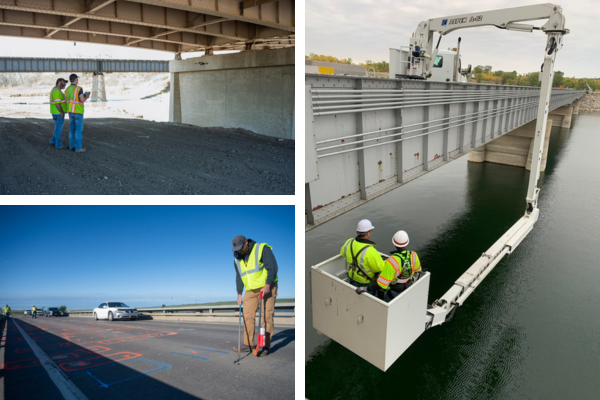
NDDOT is made up of employees with a wide range of backgrounds, expertise and responsibilities, all working toward one mission: safely moving people and goods. As one of the department's 19 divisions, the Bridge Division handles everything from structural analysis and design to planning and maintenance for bridges, and more.
Every day, thousands of vehicles travel across bridges in North Dakota. Routine bridge inspections help keep these structures safe while providing NDDOT with information needed to plan future maintenance, rehabilitation and replacement projects.
From April through November, our bridge inspection teams evaluate bridges across the state. The agency has two internal, two-person teams who inspect state-owned bridges, along with five consultant teams who inspect local bridges and some state structures. Together, these teams inspect approximately 2,500 bridges each year.
Bridge inspections are required by the Federal Highway Administration’s National Bridge Inspection Standards (NBIS), which establish requirements for inspecting public highway bridges. These standards help ensure deficiencies are identified, evaluated, documented and addressed appropriately.
Inspections involve more than looking for visible cracks or damage. Inspectors evaluate major bridge components, including the deck, superstructure, substructure, bearings, joints and other critical elements. They also monitor changes that could indicate developing problems that will require additional attention.
Some bridges require more detailed inspections based on their design or structural characteristics. For example, Nonredundant Steel Tension Member (NSTM) inspections focus on critical steel members and connections where failure could have significant consequences.
Inspection findings are an important part of NDDOT’s bridge management program. Engineers use the information to track bridge conditions over time, identify emerging issues and determine where maintenance or larger projects may be needed.
This team’s ongoing work supports informed decisions and helps maintain the safety and reliability of North Dakota’s bridge infrastructure. For more information visit the Bridge Division webpage.
|
|
 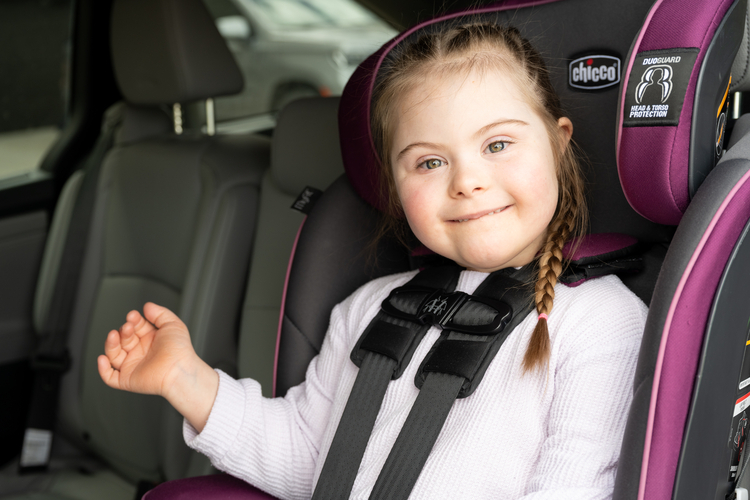 Make every ride a safer ride
During Child Passenger Safety Week, Sept. 20-26, Vision Zero reminds parents and caregivers that using the right car seat or booster seat correctly can make a lifesaving difference. Children should ride in a seat appropriate for their age, weight and height, and caregivers should follow both the car seat manufacturer’s instructions and North Dakota’s child passenger safety laws.
In 2025, 71% of car seats checked in North Dakota were found to be installed incorrectly. Harness misuse was the top issue, occurring in 56% of all seats checked. Certified child passenger safety technicians can help caregivers make sure their child’s seat is installed and used correctly, fits their child and has not been recalled.
Find child passenger safety information and resources through Vision Zero or find an upcoming car seat check near you through North Dakota Health and Human Services.
|
|
NDDOT in the news
"Similar to a detective, the work of a North Dakota archaeologist is varied and, sometimes, unexpected."
“Farmers, use lights, reflectors. Again, always pay attention to their surroundings. They can look behind them, and they can see when someone may be coming up behind them. When you’re hitting an area that there might be low light, they can have escort vehicles ahead of them, so they are aware,” said Kelly Aberle, the program manager at the North Dakota Department of Transportation.
“Work at the two roundabouts will be completed in the next two months, just ahead of the seasonal conclusion of 2026 road construction in North Dakota,” Skluzacek said. The projects are intended to address safety concerns, improve roadway conditions and pedestrian amenities and increase the long-term reliability of Dickinson’s transportation network.
|
|
|
|
|