February is Teen Dating Violence Awareness Month
 |
Teen dating violence (TDV), also called “dating violence”, is an adverse childhood experience that affects millions of young people in the United States. Dating violence can take place in person, online, or through technology.
|
It is a type of intimate partner violence that can include the following types of behavior:
Physical violence is when a person hurts or tries to hurt a partner by hitting, kicking, or using another type of physical force.
Sexual violence is forcing or attempting to force a partner to take part in a sex act and or sexual touching when the partner does not consent or is unable to consent or refuse. It also includes non-physical sexual behaviors like posting or sharing sexual pictures of a partner without their consent or sexting someone without their consent.
Psychological aggression is the use of verbal and non-verbal communication with the intent to harm a partner mentally or emotionally and exert control over a partner.
Stalking is a pattern of repeated, unwanted attention and contact by a current or former partner that causes fear or safety concerns for an individual victim or someone close to the victim.
Teen dating violence profoundly impacts lifelong health, opportunity, and well-being. Unhealthy relationships can start early and last a lifetime. The good news is violence is preventable, and we can all help young people grow up violence-free.
Consider taking part in this awareness month by
- Learning more about the effects of teen dating violence and considering the implementation of prevention programs;
- Educating your school or campus community about the warning signs of teen dating violence, as well as indicators of safe and healthy relationships;
- Creating or enhancing a Domestic Violence Annex in your emergency operations plan (EOP) that outlines courses of action to be taken before, during, and after known incidents of teen dating violence; and
- Offering students further resources and connections to support services for teen dating violence, such as the Love is Respect website and hotline. TDVAM Action Guide
Homeless Youth & Violence Prevention
It’s also important to note how dating violence impacts runaway and homeless youth. They are at an increased risk of experiencing dating abuse. The National Resource Center on Domestic Violence published a Runaway and Homeless Youth Relationship Violence Toolkit. This resource was put together by advocates, for advocates, to help organizations better understand and address the intersection of runaway and homeless youth and intimate partner violence. Service providers can use this toolkit to help increase safety, create prevention strategies, and help heal and treat those who have experienced violence.
Together, we can work on recognizing the signs of teen dating violence and teaching healthy relationship skills to raise awareness and end the cycle of teen dating violence.
Nothing New: PSU SMH Plan Template
As a reminder, the SMH plan template is required for reporting. This template includes all additions to the policy and is in an easier-to-follow format. Downloads of the template are available on the webpage in PDF and Word. Please prepare to submit your new SMH plan by September 15. 2026.
New Tools for Practice: School Mental Health
Promising Practices for School Organization of Mental Health Supports
This brief synthesizes research insights to examine how schools can better organize mental health supports to meet growing student needs. It highlights why schools have become the primary access point for youth mental health care, the systemic barriers that limit effective support, and the equity implications of current approaches. Drawing on evidence-based and promising practices, the brief outlines strategies that help schools move from reactive, crisis-driven responses toward coordinated, preventive systems while also identifying common practices that can unintentionally exacerbate disparities or undermine student well-being.
Save this brief and explore the MANY useful tools embedded to elevate your school's mental health supports.
PREVIEW
PRACTICES TO AVOID
-
Reliance on disciplinary actions and emergency services to address student mental health needs can escalate crises and disproportionately impact marginalized students.
-
When school-based mental health providers are assigned non-mental health tasks, schools underuse their expertise, and students may not receive adequate support.
-
When schools treat academics and mental health as a zero-sum game, they will miss opportunities to effectively support students with the highest needs who are often struggling in both areas.
Licensure Renewal Requirements
|

|
Based on changes in Session Law 2023-134, LICN-005 has been updated to reflect the changes for licensure renewal. These amendments include the removal of the requirement for digital teaching and learning continuing education units (CEUs) and the provision that mandatory state and local professional development may be counted towards general CEUs.
|
This means that school social workers will now be required to have 4 CEUs in social work-related education and 4 hours of general education, totaling 8 CEUs (80 hours), for licensure renewal.
Student Services Personnel:
a. 4 Professional Discipline Area
b. 4 General
See the NC State Board of Education Board Policy.
Professional Development
|
AIP is offering a FREE two-part course, Treating Trauma in Schools: Foundations and Practical Applications for Professional Practice, which focuses on treating trauma in youth populations.
Participants can earn up to 20 CEUs and will also be invited to participate in a university study of the effectiveness of the course as it will aid in improving resources for practitioners.
Register
|
 |
Legislative Updates
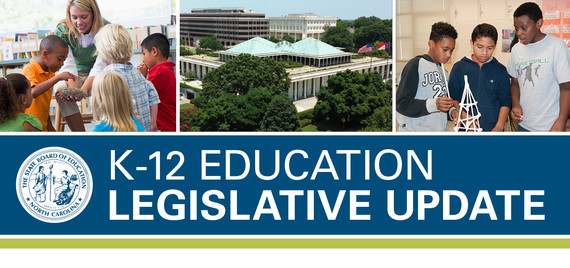 |
View the K-12 Education Office of Government and Community Affairs Update from Friday, January 30, 2026.
View here.
|
RISE 2026 Registration
Registration is now open for the 2026 RISE Back to School Safety Summit! The Center for Safer Schools' largest event will be held from Tuesday, August 4 to Thursday, August 6, at the Greenville Convention Center in Greenville, N.C.
Join us for sessions including bullying prevention, suicide prevention, critical incidents, and threat assessment.
Kindergarten Readiness Resources For Families
 |
As you engage with families in the community, please add these resources to your toolkits.
The Office of Early Learning has released many resources related to the transition to kindergarten.
View them all here.
|
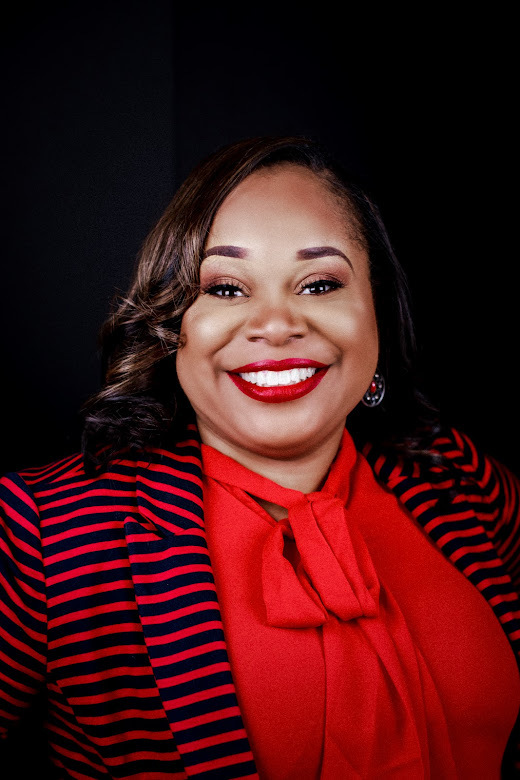
Thank You, School Counselors!
The work you do to help all students succeed is valuable, and we are all better because of each one of you. Happy School Counseling Week!
Shout out to the NC Consultant for School Counseling,
Dr. Kisha Bryant.
|
 |
Random Acts of Kindness Week: February 15-21, 2026
Check out all the resources, including Kindness in the Classroom®.
School Social Work Week - March 1-7, 2026
|
The School Social Work Association of America is proud to promote National School Social Work Week, held the first full calendar week of March (Sunday - Saturday). SSWAA collects and shares resources to help you celebrate and promote School Social Work Week. We hope you will make some great plans to celebrate as well as receive much-deserved recognition for the vital role that you provide to students, administrators, teachers, educators, parents, and the community!
View resources
|
 |
Please reach out to pachovia.lovett@dpi.nc.gov if you are planning something special to honor your school social work team.
2026 SSWAA National Conference
 |
National Conference Registration is 60% Full!
March 24-27, 2026
St. Louis, MO
|
SSWAA's annual National Conference includes a wide variety of useful breakout workshop sessions, opportunities to connect and network with other social work professionals, and an exciting lineup of keynote presenters.
Spend time networking with colleagues from around the country and the world as you exchange intervention strategies and best practices. Check out our exhibitors in between sessions as they showcase innovative resources and educational services. Earn CEs by attending sessions led by nationally recognized leaders in the profession, focusing on issues and skills critical to School Social Workers and numerous products to restock your libraries, assessment toolkits, and treasure chests of activities.
More Info +
Virtual options available. View
February is American Heart Month
When we take care of our hearts as part of our self-care, we set an example for those around us to do the same. Learn more.
With Valentine's Day occurring during Heart Month, take a moment to review the Social Wellness Toolkit to enhance your positive social habits and foster healthy relationships.
NC Child Hunger Leaders Conference
 |
The NC Child Hunger Leaders Conference is an annual day of celebration and inspiration for everyone in our state interested in making sure kids have access to healthy food in schools and communities. Join us to talk about the future of solving child hunger through federal nutrition programs and beyond.
|
The 15th annual conference will take place on Tuesday, March 3, 2026, in Asheville.
Learn more
Additionally, the Carolina Hunger Initiative offers FREE virtual nutrition classes to help families make healthy choices on a limited budget. Learn more and register today at CarolinaHungerInitiative.org/classes.
Join 5 weekly interactive classes, every Tuesday from February 10, 2026, through March 10, 2026, from 6:30-7:30 pm. These classes share tips for:
- Making healthy choices on a limited budget
- Eating healthy away from home
- Stretching dollars at the grocery store
- Setting SMART goals for personal growth
|