|
|
Having trouble viewing this email? View it as a Web page.
 DECEMBER 2025
 |
|
Eric C. Davis, Chair
NC State Board of Education
eric.davis@dpi.nc.gov |
|
|
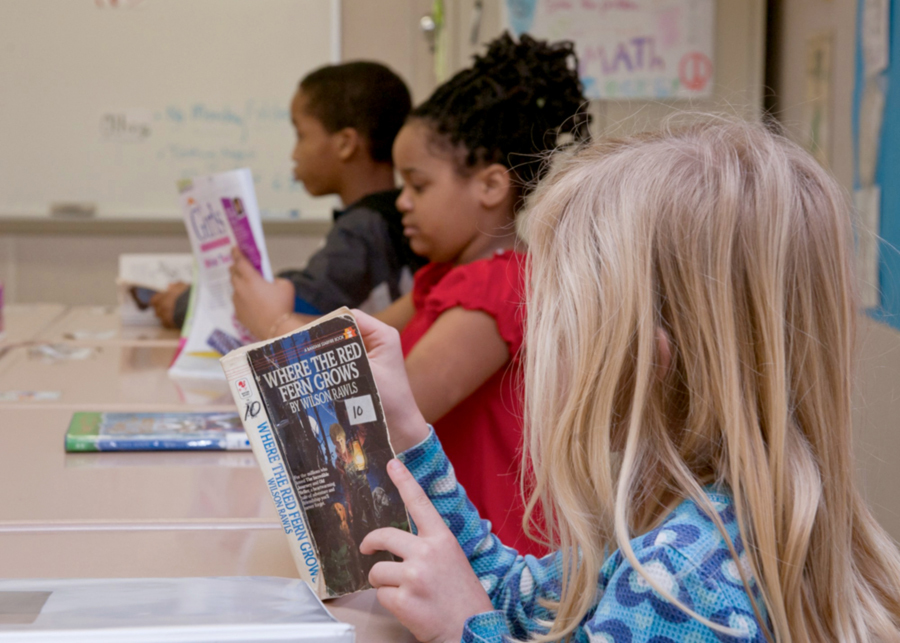 At its December 2025 meeting, the State Board of Education received Draft 4 of North Carolina’s revised K–12 English Language Arts (ELA) Standard Course of Study. The Board heard how the proposed standards strengthen the Teaching and Learning Framework and advance the Achieving Educational Excellence strategic plan, particularly our commitment to clear, coherent, high-quality standards in every classroom.
Draft 4 is the result of an 18-month, multi-draft process that included broad engagement with educators, district leaders, families, and national literacy experts. Successive drafts were informed by surveys, regional focus groups, and expert review, and the overwhelming majority of standards in prior drafts were recommended to remain, signaling strong support from the field for the direction of the revisions.
The proposed standards are anchored in three core principles: complex, grade-level texts at the center of instruction; an integrated model of literacy that connects reading, writing, speaking, and listening; and a richer variety of texts, including multimodal and digital formats.
Structurally, the standards move to three strands—Complex Texts, Comprehension Development (with a Foundational Skills substrand), and Communication & Writing—with clearly articulated grade-level standards and objectives.
These changes elevate text complexity, extend foundational literacy skills into secondary grades, integrate language and speaking standards across all strands, and expand the range of written and spoken text types that students produce.
The Board also reviewed how the ELA Standard Course of Study and the Extended Content Standards for students with the most significant cognitive disabilities are being revised together to ensure access and alignment for all learners. If Draft 4 is approved in January, the 2025–26 and 2026–27 school years will focus on preparation and installation—developing crosswalks, unpacking documents, glossaries, and professional learning—followed by full implementation and aligned state assessments in 2027–28.
These revisions are designed to deepen alignment with the science of reading, strengthen coherence across grade levels, and better support educators as they prepare students for whatever comes next.
|
|
 Strategic Plan Update: Promising first-year momentum in Golden LEAF Schools Initiative
The State Board received an encouraging interim update on the Golden LEAF Schools Initiative, a five-year effort designed to strengthen rural schools through an evidence-based model for school improvement and innovation. The initiative directly supports the State Board’s strategic plan by focusing on math achievement, instructional coaching, leadership development, and career-connected learning to better prepare students for their next phase of life.
Fifteen schools are currently participating across two cohorts: Transformative Schools, which receive the most comprehensive turnaround support, and Personalized Competency-Based Education (PCBE) schools, which focus on mastery-based learning. Together, these schools serve more than 8,000 students and nearly 500 teachers across rural North Carolina. Early descriptive data show shifting student needs—including fluctuating enrollment, increasing economic challenges in some communities, and a growing population of multilingual learners—yet schools continue to demonstrate resilience and commitment to improvement.
A major early step has been the rollout of a high-quality math curriculum. Teacher feedback shows strong agreement that materials are aligned to standards and support productive student discourse, while also surfacing predictable early-implementation questions. In response, DPI has increased targeted coaching, clarified curriculum alignment, and expanded professional development to build teacher confidence and consistency across classrooms.
The update also highlighted early bright spots emerging in schools. Transformative Schools are strengthening family engagement, deepening principal involvement in instructional PLCs, and celebrating district-recognized school leaders. PCBE schools are advancing mastery-based practices, with teachers developing student-friendly proficiency scales and creating more flexible, personalized pathways for learning.
Looking ahead, all 15 schools will come together for a winter convening to review baseline data and set measurable goals for the remainder of the year. A full biannual report will be submitted to Golden LEAF in January, and the Board will receive a more detailed update in February. The initiative is still in its early stages, but the momentum and commitment already visible across participating schools offer strong promise for transformative results in rural communities.
To further expand this work, the Board also approved releasing a new Request for Proposals to select five additional middle schools for the next PCBE cohort. The application window opens December 8, with proposals due February 18 and finalist interviews in March, leading to Board selection in May. Each new school will join the initiative this summer and receive roughly $300,000 in support through June 2030. Eligibility mirrors the first round—rural Tier 1 or 2 counties, demonstrated readiness, strong leadership commitment, and a designated district implementation coordinator. The goal is to build on early momentum by extending high-impact instructional support to more rural schools ready to take this next step.
|
|
 |
|
Leadership Transition in the Office of General Counsel
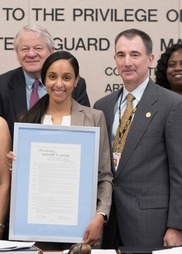
The State Board of Education and State Superintendent of Public Instruction announced an important leadership transition as General Counsel Allison Schafer prepares to retire on January 31, 2026. Schafer has served the Board and DPI with distinction for the past five years and has been a trusted legal voice in North Carolina’s public education system for more than four decades. Her work has shaped policy, strengthened governance, and supported countless educators, school districts, and state leaders across her career. Her retirement marks the close of an extraordinary chapter of service to public schools.
To ensure strong legal stewardship, the Board and State Superintendent appointed Tiffany Lucas as the next General Counsel, effective February 1, 2026. Lucas is well known to both organizations, having previously served for a decade at the North Carolina Department of Justice, where she provided legal counsel to the State Board and DPI and represented the state in significant litigation. She brings 25 years of legal experience across public service and private practice, including roles with the Georgia Attorney General’s Office, two nationally recognized law firms, and most recently as Chief Deputy General Counsel in the Office of the Governor.
|
NCVPS presented its 2024–25 annual report, marking 17 years of expanding access to high-quality virtual learning across North Carolina. With more than 50,000 course enrollments this year—and over 872,000 since inception—the program continues to play a vital role in helping districts offer courses and opportunities that might otherwise be unavailable, particularly in rural and small schools.
This year brought major growth in student engagement and academic pathways. NCVPS launched a new partnership with Wake County to support single-subject acceleration for advanced K–8 students, saw a 200% increase in participation in the statewide Science and Engineering Fair, and expanded world language honor societies. Students also contributed thousands of peer tutoring hours, reinforcing the program’s emphasis on service, leadership, and community.
NCVPS remains the national leader in virtual course quality, with 100 courses certified by Quality Matters and new offerings across world languages, science, business, and honors-level coursework. The program also invested heavily in accessible course design, demo course transparency, and educator training—particularly in AI integration and social-emotional learning.
The report underscored NCVPS’s strong statewide impact, from supporting districts with live synchronous instruction to providing high-need tutoring and rapid-response help desk assistance. As the program enters its 18th year, it remains focused on ensuring that every student—regardless of location—has equitable access to rigorous, engaging, and future-ready learning opportunities.
The Board’s December meeting highlighted a powerful throughline: North Carolina’s students can only thrive academically when their basic needs, physical health, and emotional well-being are intentionally supported. Two presentations—one from the Whole Child NC Committee and another summarizing statewide Healthy Active Children and School Mental Health reports—came together to paint a clear picture of where schools are making progress and where persistent gaps still demand attention.
Whole Child NC opened with a reminder of its charge: identifying nonacademic barriers that prevent students from receiving a sound basic education and recommending practical solutions. The committee revisited four recommendations made earlier this year—expanding specialized instructional support personnel (SISPs), fully funding DPI’s school psychology recruitment position, providing master’s pay for school social workers, and increasing access to school-based health centers. Members also underscored how strongly these recommendations align with the Board’s Achieving Educational Excellence strategic plan. Each item, developed before the plan’s adoption, naturally reinforces the plan’s commitments around school climate, student well-being, community partnership, and celebrating the essential professionals who make learning possible.
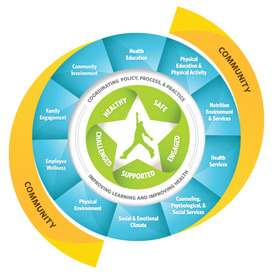
The committee then introduced a new recommendation: moving North Carolina toward requiring a master’s-level social worker in every school. Dr. Patrick Green emphasized that this would not be a short-term shift but a multi-year effort requiring thoughtful planning, workforce development, and collaboration with higher education.
But the need is clear. With one in five children living in food-insecure households, one in five adolescents seriously considering suicide, and more than half of students reporting difficulty accessing mental-health treatment, schools are increasingly the first and sometimes only place where students can receive timely support. A master’s-level social worker can conduct psychosocial assessments, provide short-term counseling, and deliver crisis interventions on the spot—capabilities beyond the scope of bachelor’s-level training.
The Board then received its annual updates on physical health and mental-health services across the state. The Healthy Active Children report shows bright spots—nearly all elementary students receiving 30 minutes of daily physical activity, more schools strengthening wellness policies, and continued community partnerships that expand access to supports. But the data also highlight challenges: uneven physical education minutes, limited resources for School Health Advisory Councils, and ongoing concerns about recess being withheld as discipline despite clear Board policy prohibiting it.
The School Mental Health report reflected similar themes. Districts are increasingly using data to guide decisions, improving professional development for staff, and strengthening early-intervention systems. Yet the needs remain significant, especially around funding, staffing ratios, and ensuring consistent crisis-response and re-entry procedures. DPI continues to pursue federal grants to bolster the pipeline of school psychologists, counselors, and social workers, including re-specialization programs, hiring incentives, and paid internships to attract talent into high-need districts.
Together, these presentations reinforced a simple truth: students cannot focus on academics when they are hungry, unsafe, or struggling emotionally. North Carolina’s strategic plan makes well-being a central pillar of academic success, and December’s discussions reflected a shared commitment to building the systems, workforce, and community partnerships needed to honor that promise for every child.
|
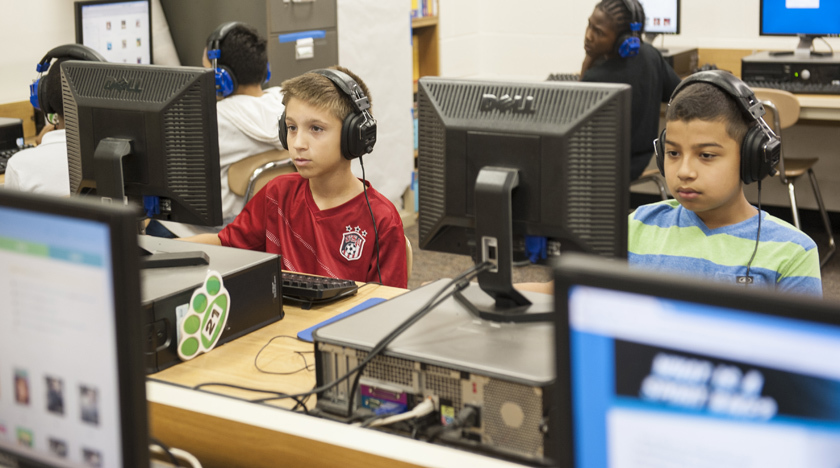 State Board Advances Five New Digital Learning Grants to Expand Innovation, AI Readiness, and STEM Access
The Board approved five new Digital Learning Initiative grants that will help districts strengthen instructional innovation, expand AI literacy, and modernize student learning environments. Now in its eighth year, this competitive grant program has invested more than $12 million statewide to support locally designed models that advance digital teaching and learning.
This year’s recommended grantees—Orange, Moore, Cumberland, Randolph, and Buncombe—will each receive up to three years of support to carry out projects tailored to their communities. The work ranges from integrating STEM and AI into everyday instruction, to redesigning systems for EC onboarding and progress monitoring, to building districtwide AI frameworks that engage teachers, leaders, students, and families. Districts will also expand robotics, coding, 3D printing, and e-sports opportunities, and in Buncombe, rebuild all 41 school libraries into active learning hubs following Hurricane Helene.
These grants continue to spark statewide momentum. Staff underscored a commitment to help rural districts strengthen future applications so every region can benefit from this opportunity.
Board reviews 2025 wins and gaps, begins sharpening a focused 2026 agenda aligned to Achieving Educational Excellence
North Carolina’s State Board of Education closed its December meeting by looking ahead. Board members reviewed recent legislative activity and then walked through a “scorecard” of the Board and DPI’s 2025 budget and policy requests — what moved, what stalled, and what still needs attention next year.
On the legislative front, the General Assembly briefly returned this fall to pass another “mini-budget” that included technical adjustments and a $25 million reserve to help cover the added cost of teacher step increases. But with no full budget enacted and no additional votes expected this year, several major items remain unresolved, including broader compensation decisions and a number of education-policy bills.
The scorecard review showed a mixed picture. Some priorities were funded or advanced, such as additional disaster-recovery support for western school facilities, full funding for newly approved cooperative innovative high schools, continued work on school business systems modernization, and flexibility for Advanced Teaching Roles schools. Other key requests — including broader teacher and staff raises, a K–8 math screener, expanded Advanced Teaching Roles grants, and several policy clean-ups — remain unfinished business.
The conversation then shifted from looking back to looking forward. With very limited new revenue projected for 2026–27, Coltrane asked the Board to help sharpen a short, student-centered list of “must-have” requests tied to the new Achieving Educational Excellence strategic plan. Board members repeatedly came back to three priorities: stronger school health and mental health staffing (especially social workers, nurses, counselors, and psychologists); more competitive pay for all school employees; and better tools for teaching and learning, including literacy supports beyond grade 3, exceptional children funding, one-to-one devices, and high-quality instructional materials.
DPI staff will now use this feedback — along with needs emerging from the strategic plan — to draft a focused 2026 short-session agenda for the Board’s consideration early next year. Even in a tight fiscal environment, the Board’s goal is clear: present lawmakers with a concise, compelling set of requests that directly strengthen schools’ ability to support students and accelerate learning for every student in North Carolina.
The State Board of Education launched a two-year in October to take on a challenge that’s both urgent and historic: redesigning how North Carolina measures school performance.
Vice Chair Alan Duncan, co-chair alongside Board members Jill Camnitz and Dr. Janet Mason, opened the inaugural meeting of the Task Force on Accountability for Public School Units on Dec. 5. Duncan noting that our current model focuses on a “narrow band” of what students know and can do and shapes public perception in ways that don’t fully reflect the strengths and potential of our students or educators.
The task force brings together a broad cross-section of North Carolina: State Board members, legislators, county commissioners, local board chairs, superintendents from districts of all sizes, charter leaders, principals, teachers, parents, and students. Members shared their “why” for serving, with common themes emerging: accountability matters, but it must be fair and meaningful; students are more than a single test score; context and opportunity matter; and student voice must be central in decisions that shape their school experience.
The work will unfold over roughly two years. Early in 2026, the task force will develop a theory of action that clarifies the purpose of the new system: recognizing excellence, identifying schools in need of support, and driving continuous improvement. DPI staff and external experts will then model and test potential indicators and frameworks, with ongoing feedback from the task force and stakeholders.
Throughout the meeting, members returned to a shared aspiration: an accountability system that tells a fuller, truer story of North Carolina’s public schools. That means capturing growth as well as results, honoring the breadth of teaching and talent in our classrooms, and building public trust through transparent, understandable measures. As Vice Chair Duncan said in closing, the work ahead is substantial, but so is the opportunity: “Our Board stands with DPI, we stand with you, and our state needs your very best thinking on this important subject.”
|
|
Rules & Policy Revisions
-
ADVS-011: Updates the term of service for the federally required ESSA Committee of Practitioners—whose membership includes educators, district leaders, parents, and other key stakeholders—to run January 1 through December 31, while maintaining staggered rotations for continuity.
-
16 NCAC 06D .0508: The Board approved the final adoption of this rule which aligns the charter school alternative assessment submission date with the current Read to Achieve timeline.
-
16 NCAC 06D .0106: The Board reviewed proposed updates to the state’s Limited English Proficiency rule—originally written in 1996—to align with current federal guidance, modernize terminology, reflect current field practice (including the updated Home Language Survey), remove outdated provisions, ensure coherence with existing policies, and advance services for multilingual learners; the rule will return in January to begin formal rulemaking, with anticipated final approval in May and an effective date of July 2026.
-
Drivers Education Rules: Updates and modernizes the State Board’s driver education rules—reorganizing outdated provisions, expanding pathways to qualify driver education instructors, adding continuing education requirements, clarifying contracting expectations for districts, and standardizing processes for issuing and appealing driver eligibility certificates—to address instructor shortages, align with statute, and improve program oversight. The rules will move through formal rulemaking this spring, with final approval expected in May and an effective date of July 2026.
-
Licensure Rules: The Board approved a comprehensive reorganization of educator licensure rules and policies to align statute, rule, and long-standing Board expectations into one coherent, easier-to-navigate framework. Updates clarify requirements across multiple license types—including principal preparation, add-on areas, provisional pathways, endorsements, and limited-license portability—and ensure candidates complete required exams in a timely and consistent manner. The updated rules will advance through public comment beginning January 2026, with final adoption expected in March, Rules Review Commission consideration in April, and an effective date of July 1, 2026.
-
Athletics Rules: The Board reviewed proposed amendments to the interscholastic athletics rules—clarifying definitions, tightening student participation and eligibility provisions, updating concussion return-to-play requirements, strengthening NIL safeguards, and refining appeals procedures—with formal proposal scheduled for January, public comment from February 2–April 3, adoption in May, and an effective date of July 1, 2026.
|
|
|
The State Board of Education is the only board created by the North Carolina Constitution. Its purpose is to administer and supervise our state's public education system. This newsletter highlights the Board’s activities on behalf of our 1.5 million students and more than 100,000 educators. You may view all State Board member and advisor information online. Current and archived versions of this newsletter are on the State Board website.
SBE Highlights: A checklist of Board actions is posted every month at the conclusion of the meeting. The State Board of Education’s next meeting will be held Nov. 4-6 at the Education Building, 301 N. Wilmington Street, Raleigh, NC. Board materials will be available online by clicking on the Meetings tab.
|
|
|
|
|



