Call for 2022 Leopold Conservation Award Applications!

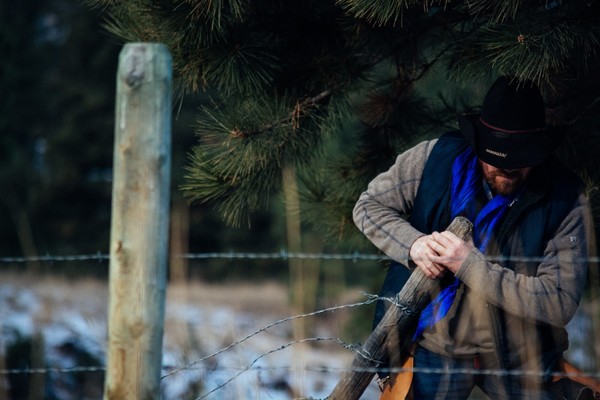
Do you know of an outstanding agriculture operation that exemplifies conservation ethic, resilience, innovation, adaptability, and leadership? If so, apply for the Sand County Foundation's Leopold Conservation Award, today!
The award is presented by the Sand County Foundation in partnership with Governor Greg Gianforte's Office, Montana Department of Agriculture, and the Montana Department of Natural Resources and Conservation’s Rangeland Resources Committee.
Annual finalists receive $10,000 cash and a commemorative crystal award.
Applications are due March 15th!
|

Creating a Rich Life During Times of Uncertainty
By: Amanda Radke, BEEF Daily | Jan 26, 2022
As producers continue to provide food, fiber, and fuel for the world, may we also slow down enough to enjoy treasured moments together.
Last week, I found myself on the road again, speaking at a couple of agricultural events. The first was at the Minnesota Agriculture Expo in Mankato, Minn., and the second event was in Aberdeen, S.D., at the Aberdeen Chamber of Commerce Ag Appreciation Night.
Both of these events had been cancelled in 2021, so to say it was a joyous reunion is an understatement. People were hugging, shaking hands, laughing, and just enjoying each other’s company.
It was humanity in action — a reminder that our hearts can’t truly connect if we are separated and meeting virtually.
Read the full article, here!
|
Farmers' Voices heard on WOTUS Rewrite
By: Jacqui Fatka, BEEF Daily | Jan 06, 2022
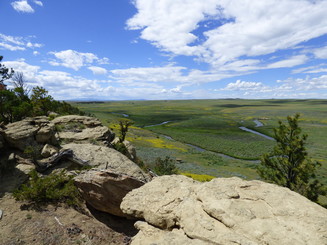
Roundtable discussion features insight on the agricultural impact of the update to the Clean Water Act.
In the latest pendulum swing of water regulations, the Biden administration is undergoing actions to repeal and replace the 2020 Navigable Waters Protection Rule finalized under the Trump administration. Farmers’ voices on the impact of any new rule were elevated in a roundtable discussion on Jan. 6 with key government officials in an event hosted by the Small Business Administration Office of Advocacy.
Read the full article, here!
|

Only partial support for cattle market overhaul
By: Jacqui Fatka, BEEF Daily | Jan 24, 2022
Farm Bureau policy does not support government mandates of cattle cash sales.
Long-standing frustration over imbalances in the meat industry led to calls for greater transparency in livestock markets during the grassroots policy recommendations discussion from the largest agricultural group, but earlier this month the American Farm Bureau Federation stopped short of requiring mandated cash sales in the cattle markets.
AFBF supports the Sen. Chuck Grassley, R-Iowa, and Sen. Deb Fischer’s, R-Neb., Cattle Price Discovery and Transparency Act of 2021, with the exception of the bill’s establishment of mandatory minimums for negotiated purchases. The Grassley-Fischer bill includes a sliding shift to more cash sales which may limit the use of certain formula contracts in some regions.
Negotiated trade, also called the “cash” or “spot” market, increasingly has been replaced by formula pricing, forward markets and longer-term marketing agreements—collectively referred to as alternative marketing arrangements.
Read the full article, here!
|
Winter Calving Takes Extra Care
By: Sarah McNaughton, BEEF Daily | Jan 13, 2022
With winter being the start of calving season for many ranchers in the Dakotas, prepare now to start calves off on the right foot and ensure a healthy cow herd
Oliva Amundson, cow-calf field specialist at South Dakota State University Extension, says nutrition plays a major role in the health and success of calving.
“Overfed or over conditioned cows have the potential to struggle with dystocia due to the accumulation of fat in the pelvis, which hinders the fetal passage through the birth canal,” she says.
Young heifers and cows must be carefully managed to ensure they are receiving the correct nutrition throughout their gestation. “Two-year-old heifers and 3-year-old cows are the most vulnerable to nutritional needs during the last trimester, due to continual growth of the dam and the calf in utero. It is important to make sure these females are receiving adequate protein and energy during times of cold weather,” Amundson says.
Read the full article, here!
|
 |
Learn Firsthand Winter Grazing Techniques From
Sieben Livestock's 20 Years of Experience
Cooper Hibbard, from Sieben Livestock located near Cascade, Montana, will be hosting four individual winter grazing sessions:
- January 22nd
- February 15th
- March 15th
- April 15th.
These full-day on-site workshops will cover everything you need to set up a regenerative grazing system on your ranch. Sieben Livestock has transitioned from grazing this entire set of pastures and feeding 4-6 weeks to resting up to 20% per year and feeding less than one week per year with the same number of animals.
Read more about the winter grazing sessions, here!
Contact Cooper cooper@siebenlivestock.com for more information and to register.
 |

Montana Soil Outreach: Act Now To Make Your Voice Heard!
From September 2021 through July 2022, the Montana Association of Conservation Districts, Montana Watershed Coordination Council and partners are reaching out across the state to ask: What more might be done to better support farmers and ranchers in managing soils in Montana?
Their purpose is to increase the pace and scale at which land stewards implement voluntary practices and systems to maintain and improve soil health, and thereby the long term economic and ecological vitality of agriculture in Montana. In August of 2022 they will produce and share a report on what was learned along with any recommendations that seem to emerge. All responses will be kept confidential and anonymous.
For more information visit: https://montanasoiloutreach.macdnet.org/ where you can take a brief survey and/or sign-up for one of five in-person meetings taking place in early spring '22 in Great Falls, Glasgow, Billings, Kalispell, Dillon or one virtual meeting!
|
 |
Blackfoot Challenge to Host Winter Drought Resilience Webinar Series
This winter, please join us for a series of Webinars on Drought Resiliency in Ranching. It is no secret that 2021 was a devastating drought across the state of Montana. It is also inevitable that we will see other drought seasons of this magnitude in the coming years. Presentations this winter will focus on measures you can take to prepare your ranch for the next drought, how to create a drought contingency plan for your operation, and the climate tools we have to plan for the upcoming growing season.
- Feb. 2nd at 3:00 p.m.
- Climate Tools for Producers in Montana
- Feb. 23rd at 3:00 p.m.
- Drought Planning for your Ranch
- TBD
- A Panel of Montana Ranchers Who are Doing Exciting and Innovative Things to Combat Drought on Their Land
For more information about this webinar series, contact Drought Technician Kate Mannix at kate@blackfootchallenge.org, or visit the website, here!
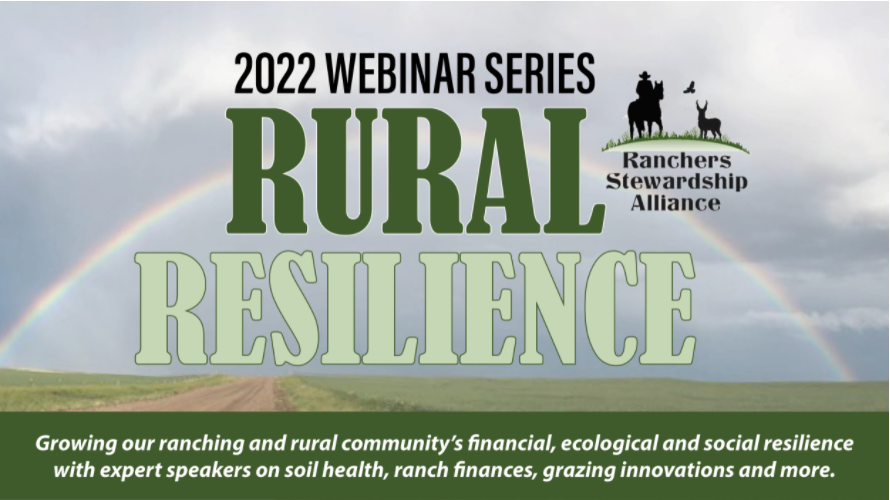 2022 Rural Resilience Webinar Series
The Ranchers Stewardship Alliance will be hosting a webinar series at 7 p.m. on the third Thursday of each month.
- Thursday, Feb. 17th at 7 p.m.
- Advanced mapping technology for advanced grazing management with Brady Allred and Bill Milton
- Thursday, March 17th at 7 p.m.
- Reflections on Nourishment, with Fred Provenza
- Thursday, April 21st at 7 p.m.
- Reviving and restoring desert landscapes with livestock with Allen Williams and Alejandro Carrillo
Learn more about the webinar series, here!
Drought Leadership Training Offered by CSU Extension
The Colorado Ag Drought Advisors, a program delivered by CSU Extension, Rocky Mountain Farmers Union and other collaborating organizations, is offering a Drought Leadership Training to increase the number of professionals and producers trained in drought planning.
Starting in February of 2022, the program will launch with four virtual workshops that culminate in an in-person training offered in two locations: Grand Junction, Colo., and in Morgan County, Colo. The curriculum was developed by researchers, farmers, ranchers, and agricultural professionals and will bring in expert speakers from around the region.
Anyone working in retail agriculture, agricultural services, extension, or with agriculture-focused agencies/organizations working alongside producers, farmers and ranchers is encouraged to attend.
CEUs are available from Certified Crop Advisors and the Society for Range Management (Pending).
Participants will need to join 3 of the 4 webinars or watch the recording to attend the in-person training and receive CEU credit. However, drop-ins are welcome for individual webinars if you do not plan on attending the full series.
At the conclusion of the course, participants will have a deeper understanding of drought coping strategies before, during and after drought occurs.
Learn more about the course, here!

DNRC Seasonal Fire Positions Accepting Applications
|
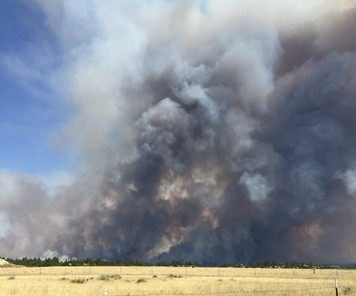
Seasonal fire positions, located across the state, are now accepting applications. These seasonal positions will be open until filled with review of applications starting February 1st, 2022. Applications will be reviewed every two weeks until filled. Early application is strongly encouraged.
Please visit the State of Montana Careers for current job postings.
|
|
 |

MT Sage Grouse Habitat Conservation Program Update
The Montana Sage Grouse Habitat Conservation Program closed on two conservation easements in December 2021. The Nature Conservancy purchased a perpetual Conservation Easement on 3,414 acres owned by the Peters family, in Montana’s Beaverhead County. The Peters Ranch Conservation Easement Project consists of one, continuous parcel within the Big Sheep Basin. The Nature Conservancy requested a total of $530,000 from the Stewardship Account for the project. State funds were matched with $1,500,000 from the Natural Resource Conservation Service’s (NRCS) Agricultural Lands Easement Program and $15,000 from TNC. The estimated value of the Easement is $2,000,000.
A second perpetual Conservation Easement is located on 8,315 acres owned by the Fauth family, in Montana’s Golden Valley and Musselshell counties. The Program awarded Montana Land Reliance (MLR) $1,496,103 to put towards purchasing the Easement. State funds were matched with $300,000 from the National Fish and Wildlife Foundation and private funding sources. The estimated value of the Easement is $2,365,155.
The Fauth Ranch Conservation Easement Project is located entirely within the Golden Valley Core Area and in part of Golden Valley and Musselshell counties that still exhibit intact areas of native grasslands and sagebrush habitat. The easement property consists of two separate parcels in south-central Montana.
The Fauth Ranch is adjacent to other protected lands, including the 11,000-acre Raths Livestock conservation easement, a 6,600-acre United States Department of Agriculture (USDA) easement property, as well as 7,000 acres of Bureau of Land Management (BLM) and State of Montana School Trust lands. Altogether, the Fauth Ranch would contribute to a total of over 24,600 acres of protected lands in the local area.
Learn more about the program, here!

Updates on 30 x 30 Initiative
In December, The White House released its "Year One Report- America the Beautiful" to update the progress made towards the President's America the Beautiful initiative, also coined, the 30 x 30 initiative . The 30 x 30 initiative was created from the January 27th, 2021 Executive Order with the goal of preserving 30 percent of the U.S. lands and waters by 2030. In the Fact Sheet released on December 20, 2021, the president recognized the effort of nine states, California, Florida, Hawaii, Illinois, Maine, Michigan, Nevada, New Mexico, and New York. In the middle of January, California released their Draft Pathways to 30 x 30 Strategy. Listening session recordings can be heard here at this link [youtube.com].

 ARS 2021 Scientific Discoveries Overview
The USDA Agricultural Research Service has compiled all the cutting edge research that has been completed in 2021! The ARS has national program areas that focus on improving our nation's livestock, supporting our nation's health, protecting our nation's crops, and restoring our nation's national resources. Explore their discoveries by region, or by program areas.
View the ARS Discoveries, here!

 New River Forecast Model Integrates Artificial Intelligence for Better Water Management in the West
By: Dr. Sean W. Flemming, National Water and Climate Center, NRCS
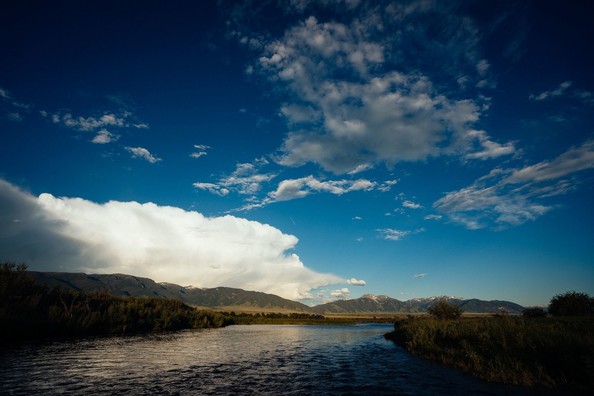
Water supply forecasts are important for any crop year. But for farmers, ranchers, foresters, and water managers in the West facing extreme and debilitating drought conditions, those forecasts have never been more critical to their operations and livelihoods.
Today, NRCS has unveiled a new computer application to address this pressing need: the multi-model machine learning metasystem, or M4. This first-of-its-kind model will be the largest migration of artificial intelligence, also known as AI, into real-world river prediction programs.
Read more about the new model, here!
Courtesy of Sage Grouse Initiative and USDA
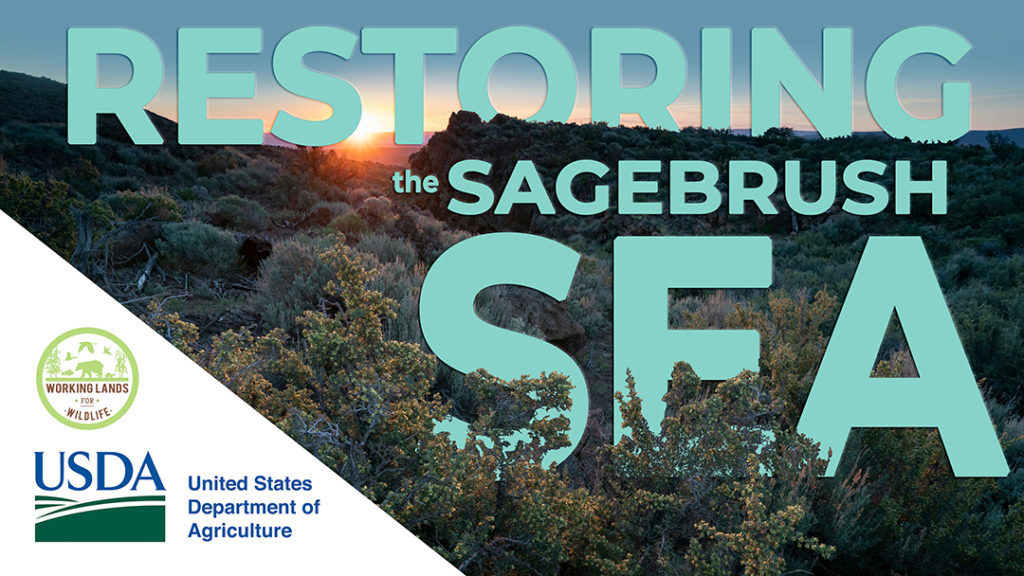
Sage Grouse Initiative: Restoring the Sagebrush Sea: The Warner Mountains Project
Background: The rugged and remote Warner Mountains run from northern California into southeastern Oregon. Like many regions in the West, the Warners are comprised of public and private lands, and grazing plays an important role in the economies of the small towns that dot the landscape. Unfortunately, decades of woody plant encroachment had degraded much of this landscape, pushing out sagebrush-dependent wildlife, reducing livestock forage, and depleting precious water supplies.
In 2011, the USDA-NRCS’s Sage Grouse Initiative (SGI) partnered with the Bureau of Land Management (BLM) and local landowners to begin a large-scale conifer removal project in the southeast Oregon portion of the Warner range. Additionally, the partners invited university scientists to study how sage grouse responded to the conifer removal treatments.
Over the next eight years, the partners strategically removed conifer trees on more than 100,000 acres of this landscape while leaving trees in place on an 82,000-acre “control” portion of the area.
Click here to learn more about the project, the research it produced, and the stories of the people involved
AoR 76: To Seed or Not to Seed? Post-Fire Rehabilitation with Richard Fleenor
Deciding whether to seed, what to seed, and how to apply seed after wildfire are weighty questions. Seeding costs money, seedings often fail, and most rangelands won't pay you back for rehabilitation failure. Richard Fleenor, NRCS state rangelands conservationist in Washington, has a background in plant materials and revegetation and discusses with Tip analyzing burn severity, pre-fire plant community composition, and options in seed selection and application.
Click the icon to listen to the podcast, or listen here!
|
February 2022:
- Feb. 1st, Montana Working Lands Internship Deadline!
- Feb. 6-10, 75th Annual Society for Range Management Meeting
- Feb. 8th, Montana Soil Health Pre-Conference Symposium- Jolene Brown
- Feb. 9-10, Montana Soil Health Symposium
- Feb. 10-11, Montana Farm Bureau Campaign Training Seminar
- Feb. 15 @ 6pm, Ranching with Wildlife Webinar Series- Ranching with Beavers
- Feb. 15th, Sieben Livestock Winter Grazing Seminar
- Feb. 15 @ 7pm, Ranch Stewards Book Club Fourth Meeting
- Feb. 17 @ 7pm, Ranchers Stewardship Alliance Rural Resilience Webinar
- Feb. 18, NRCS EQIP Conservation Incentive Contracts Submission Deadline
- Feb. 21-25, 75th Annual Society for Range Management Meeting
March 2022:
Stacey Barta, State Coordinator for Rangelands
220 W. Lamme, Suite 1A
Bozeman, MT 59715
(406) 594-8481
SBarta@mt.gov
Emily Moran, Administrative Assistant for Rangelands
PO Box 201601
Helena, MT 59601
(406) 444-2613
Emoran@mt.gov
Rangeland Resources Committee:
Diane Ahlgren, Chair
John Hollenback, Vice Chair
Sigurd Jensen
Jim Anderson
Leah Lewis
Ron Devlin
|