|
Participate in the largest invasive species awareness effort in North America. Follow along on Facebook @invasivespeciesweek, join the conversation, and link your social posts with #NISAW or #invasivespecies.
Noxious weeds are invasive plants not native to North America. Many of them, like spotted knapweed and leafy spurge occur in large infestations across the state. Noxious weed infestations decrease agricultural production and reduce forage for wildlife, increase erosion along streams and rivers, and decrease recreational activities. Noxious weeds can spread by many different ways; the main way they move around is through human travel. Weed seeds and plant parts can become stuck in the mud in vehicle or equipment tires, shoelaces and on clothing, backpacks, and hiking gear, or in the fur or hair of animal companions.

The Montana Noxious Weed Education Campaign (MNWEC) was formed in 1996 to educate the public about noxious weeds and to reduce their spread. The mission of the MNWEC is to, “educate the people of Montana about the economic and environmental impacts of noxious weeds, while encouraging public participation in ecologically based integrated weed management.” Everyone can do their part to help stop the spread of noxious weeds by always cleaning your gear both before and after you recreate. Come clean, leave clean and do your part to help stop noxious weeds in your tracks.
Click button to learn more about COME CLEAN. LEAVE CLEAN.
|
|
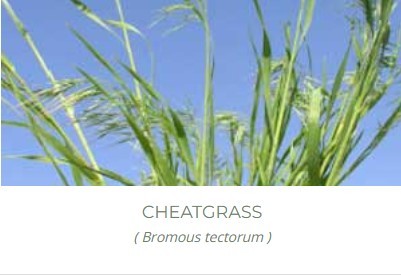
A digital field guide available through the Montana Weed Control Association is designed to help you identify Montana’s 35 state listed noxious weeds and regulated plants. Each plant review includes photos and characteristics.
|
|
 |
To report a suspected infestation of noxious weeds, contact your local county weed district, tribal area office or the Montana Department of Agriculture.
What you can do to stop the spread of invasive species in Montana:
MISC and partners urge all Montanans to share this information widely and take these simple measures to be informed, attentive, and accountable for preventing the spread of terrestrial and aquatic invasive species.
-
WATCH FOR NOXIOUS WEEDS. If you spot some, notify your county weed coordinator https://www.mtweed.org/weeds/weed-districts/ or report to EDDMapS West. eddmaps.org/west/
-
USE CERTIFIED WEED FREE. Make sure to use weed-free forage, hay and mulch. mt.gov/Noxious-Weed-Seed-Free-Forage
-
PLANT ONLY NON-INVASIVE PLANTS. Keep your garden free of known invasive plants. Many invasive species introductions come from the ornamental trade. mtnativeplants.org/
-
CLEAN YOUR GEAR. Always wash and dry your boots, bikes, waders, boats, trailers, and off-road vehicles between uses. playcleango.org/
-
CLEAN.DRAIN.DRY. Aquatic invasive species are often inadvertently spread by boats. Clean. Drain. Dry. every time you use your boat. http://cleandraindry.mt.gov/
-
DON’T LET IT LOOSE. Dispose of unwanted pets, aquarium plants and water, and live bait the proper way, and not into waterways. Be a responsible pet owner. dontletitloose.com/state/montana/
-
DON’T MOVE FIREWOOD. Buy it where you burn it or gather it on-site. Firewood can harbor pests and disease, and Montana depends on its healthy forests. dontmovefirewood.org
-
SQUEAL ON PIGS. If you see a feral swine, or signs of their damage such as excessive rooting or digging, report it immediately by calling 406-444-2976. https://invasivespecies.mt.gov/montana-invasive-species/squeal-on-pigs
 |
|
Click to play newly published video about invasive species threats in Montana! |
National Invasive Species Awareness Week Part I, February 22-26th: Virtual
Montana Watershed Coordination Council (MWCC) Meeting, February 26th: Virtual
Montana Invasive Species Council (MISC) Meeting, March 4th: Virtual
Flathead Basin Commission (FBC) Spring Meeting, March 31st: Virtual
Western Regional Panel (WRP) Mid-Year Meeting, April 7th: Virtual
Upper Columbia Conservation Commission (UC3) Spring Meeting, May 12th: Virtual
National Invasive Species Awareness Week Part II, May 15-22nd: Virtual
North American Invasive Species Forum May 18-20th: Virtual
|