At the center of our community safety response are Public Safety Telecommunicators, also known as 911 dispatchers and call takers. They are the first point of contact during times of crisis, trained to gather critical information and coordinate emergency responses with care. Whether they dispatch paramedics, fire, police, or behavioral crisis response (BCR) teams, our telecommunicators are key to ensuring the right help reaches the right place as quickly as possible.
In honor of National Public Safety Telecommunicators Week, I want to thank and recognize the work of these professionals and the vital role they play in keeping our community safe.
Recognizing the first, first responders
I want to take a moment to recognize the people behind the headset who serve our community every day in the Minneapolis Emergency Communications Center. While Public Safety Telecommunicators are not yet classified as first responders at the federal level, their role reflects the very essence of first response.
They are the first to act – before a fire engine is dispatched, before a BCR team member responds to a mental health crisis, before a police officer arrives, and before emergency medical services are on scene. They assess situations in real time, calm callers, provide life-saving instructions, and coordinate across multiple teams within moments of receiving a call. They are the true first, first responders.
A closer look behind the headset
Both call takers and dispatchers work in tandem. Our call takers are the initial point of contact for incoming calls and gather critical information. While the caller is on the phone, our dispatchers monitor the situation and coordinate the field response with our safety personnel.
Meet two heroes behind the headset performing in these roles:
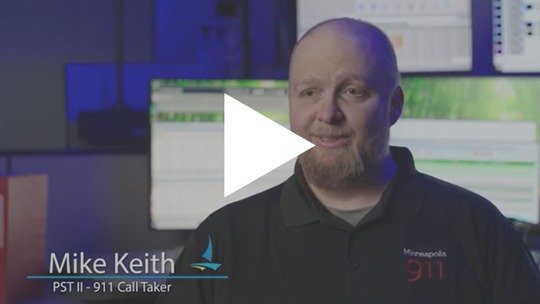
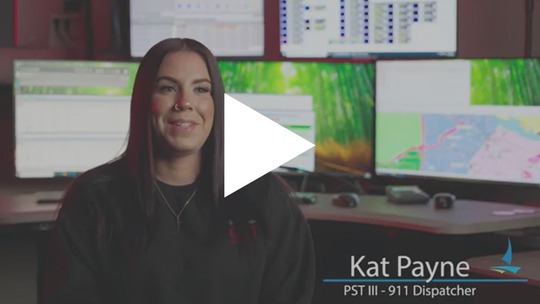
A critical link in the community safety ecosystem
Telecommunicators serve as the connection point across Minneapolis’ entire community safety system. Their work requires not only technical expertise, but also emotional intelligence, resilience, and the ability to make rapid, high-stakes decisions. They often experience the intensity of emergencies: hearing the urgency, fear, and uncertainty in a caller’s voice, and responding with steady professionalism.
The depth of the telecommunicator’s role continues to grow and adapt to meet the needs of our community.
Redefining first response through an embedded social worker
One example of how our approach to community safety is evolving is the addition of an embedded social worker within the Minneapolis Emergency Communications Center. Through a new partnership with Hennepin County, our social worker is an alternative way to serve a community member in crisis who may not require on-scene support. This support may include providing over-the-phone crisis intervention, offering guidance and problem-solving support, or connecting individuals to services such as mental health care, addiction treatment, or housing assistance. By working in partnership with telecommunicators, this role helps ensure that each caller receives a response tailored to their situation.
Read more about our 911 social worker and this innovative approach to first response on our OCS stories page
Honoring their impact
This week is an opportunity to pause and recognize the people who are there for our community at its most vulnerable moments.
For residents, visitors, employees, and first responders alike, this week is a chance to reflect on the critical role telecommunicators play in every emergency response.
Thank you to our telecommunicators for the work that you do. While it may not always be visible, your impact is felt across every corner of Minneapolis, every single day.
— Todd Barnette, Commissioner
City of Minneapolis Office of Community Safety
|