|
March 9, 2026
In this issue:
Operation Metro Surge results in $203 million impact on Minneapolis
City of Minneapolis leaders released stark numbers that speak to the far-reaching impacts that Operation Metro Surge has caused to residents, communities and City operations. In one month alone – while up to 3,000 federal immigration enforcement agents invaded neighborhoods – the city experienced an impact of at least $203.1 million. That money represents losses to the economy, community livelihoods, residents’ mental health, food and places to live.
The “Preliminary Impact Assessment & Relief Needs Overview” includes impact data and statistics on the most life-saving urgent needs in the city. This preliminary estimate is a snapshot of the severe consequences in everyday life disrupted by Operation Metro Surge. In particular, 76,000 people – mostly immigrants, refugees, Native Americans, and Black people, African Americans and people of color – need urgent relief assistance right now in the city.
Operation Metro Surge was a large-scale, complex situation that involved violence, detentions based on racial profiling and alleged human rights violations, preventing people from having the freedom to access basic life-sustaining services.
The City of Minneapolis did not make any deals or concessions with the federal government or ICE to end Operation Metro Surge. We remain governed by our separation ordinance. The City – including MPD – does not participate in federal civil immigration enforcement or help ICE with civil immigration enforcement investigations.
Virtual Resource Center
The City’s federal response page and Virtual Resource Center have connections to food, shelter, legal help and more. They are constantly updated, with information for residents, community members and businesses. Resources include:
Building a safer Minneapolis through training and wellness
In recent years, Minneapolis has recognized the importance of modernizing law enforcement and emergency response training facilities to prepare for large-scale events. These events underscore the importance of supporting first responders’ physical and mental health.
A proposed Community Safety Training and Wellness Center is a long-term investment in public safety teams’ training, preparedness, and support so they can better serve the community with safer responses, stronger coordination, and staff well-being.
Meeting needs of staff
Community Safety departments currently operate across multiple outdated facilities that limit modern, cross-departmental emergency response training and employee wellness needs. The proposed center would consolidate several training and wellness functions into one shared location, improving training for emergencies.
The center would serve 911, Behavioral Crisis Response (BCR), Emergency Management, Fire, Neighborhood Safety and Police.
State-of-the art facility
The total estimated project request is $38 million and will be covered by the City’s capital budget as well as a request for State funding.
Anticipated features include:
- State-of-the-art classrooms: Modern classrooms of varying size that are designed and equipped for adult learning
- Wellness and mental health support: Space and resources, like family support rooms, offices for employee support teams, among others
- Fitness
- Advanced training spaces: large-scale areas for exercises and incident management, which the City currently lacks
- Indoor shooting range: The MPD shooting range would be relocated from the 4th Precinct
Site purchase
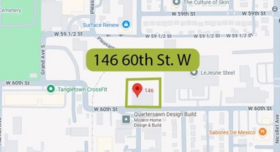
The City is in the purchase phase for the future facility at 146 W. 60th St. in the Windom neighborhood.
Learn more about this proposal and how it supports a safer Minneapolis.
|
Visit the Lake Street Safety Center for support and resources
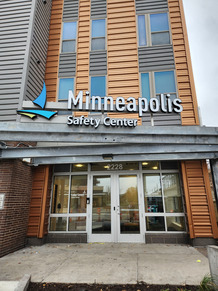
The Lake Street Safety Center, located at 2228 E. Lake St., provides residents and businesses in the area access to service providers and resources. The Safety Center is open 9 a.m. to 5 p.m. Monday through Thursday and 9 a.m. to 4 p.m. on Fridays.
-
Non-emergency questions and City service requests
-
Free Narcan
-
Mental health and recovery support
-
Assistance with school-related issues
-
Property and business owner safety planning
-
Harm reduction-based, intensive case management
-
Filing a non-emergency police report
-
Applications for Metro Transit’s Assistance Program
Stop by during the new weekday hours to learn how the center can support you and your needs. Learn more on the City website.
|
Join the Safe and Thriving Communities Work Group
The Safe and Thriving Communities Work Group provides advice and recommendations to City leadership as we build a stronger community safety system with residents and community members. Attend monthly meetings, help identify gaps in community safety and provide feedback, and work with your community to improve it.
Open spots include:
-
Ward 1
-
Ward 9
- A justice-impacted resident or resident with lived experience in the criminal justice system.
-
A resident who is a young person and/or advocate for youth

Human Trafficking Awareness Month
The Minneapolis City Council passed a resolution in February, recognizing Human Trafficking and Exploitation Awareness Month. Human trafficking often goes unnoticed. This resolution raises awareness about the signs and impacts of human trafficking and our ongoing investments in prevention, training and survivor-centered services and resources.
Survivors of sex trafficking are often hiding in plain sight and may show signs of substance use disorder.
Other signs include:
- Avoiding eye contact
- Missing school or work regularly
- Telling inconsistent or rehearsed stories
- Dating someone much older
- A history of running away or being homeless
- Sexually inappropriate pictures on social media
- Unusual tattoos, like a crown or the word "daddy"
- New expensive clothes, money, jewelry, etc., without explanation
City investments and ongoing work
The City continues to advance coordinated and cross-department efforts focused on prevention, harm reduction and access to care.
In 2026, this work will include:
-
Developing specialized training for firefighters and service providers.
-
Strengthening policies that support stability and fair access to employment.
|
MPD celebrates new hires
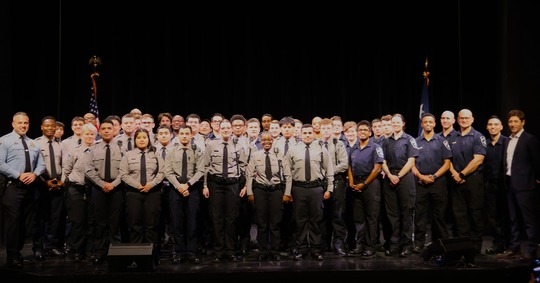
The Minneapolis Police Department proudly hosted a Welcoming Ceremony at the Capri Theater to recognize our newest Cadets, Recruits, and Community Service Officers hired in recent months.
We were excited to welcome 42 new members to MPD, including the swearing-in of new Deputy Chief, Travis Riddle.
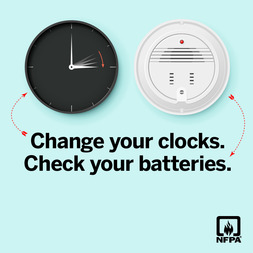
Change your clock, change your batteries
Daylight Saving Time represents the upcoming change of seasons to many. If you forgot to change your smoke alarm and carbon monoxide detector batteries this past weekend - now is the time. It could save your life!
According to the National Fire Protection Association (NFPA), about three out of five fire deaths occur in homes with either no smoke alarms or no working smoke alarms. Working smoke alarms cuts the risk of dying in a home fire by half. Taking this easy step regularly can save your and your family’s lives.
-
Installing smoke alarms in every sleeping room and outside each separate sleeping area. Install alarms on every level of the home. Install alarms in the basement.
-
Using interconnected smoke alarms so that when one smoke alarm sounds, they all sound.
-
Testing all smoke alarms at least once a month. Press the test button to be sure the alarm is working.
-
Closing the door to slow the spread of smoke, heat, and fire.
-
Having and practicing a home fire escape plan.
Carbon monoxide detectors should also be installed near each sleeping area.
|
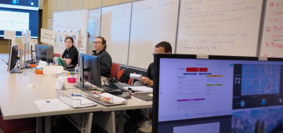
Inside the Emergency Operations Center: Coordinating crisis response
Keeping Minneapolis residents and visitors safe is a team effort. Beyond our first responders, did you know the City of Minneapolis has an Emergency Management Department (EMD) and Health Preparedness team that works behind-the-scenes every day? From helping community members prepare for emergencies to coordinating the City’s response when disaster strikes – EMD is at the center of keeping our City safe and resilient.
Their work includes:
- Coordinating disaster response and recovery
- Training and supporting City staff in emergency operations
- Partnering with county, state, federal, and community organizations
- Planning for large-scale events
- Leading coordination and emergency response during crises
|
|