Fall Safety Zone: Chemical Safety | Silicosis Prevention
Missouri Department of Labor sent this bulletin at 10/01/2026 07:50 AM CDT
Fall 2026
Chemical Safety: Don't Mix Common Cleaning Products
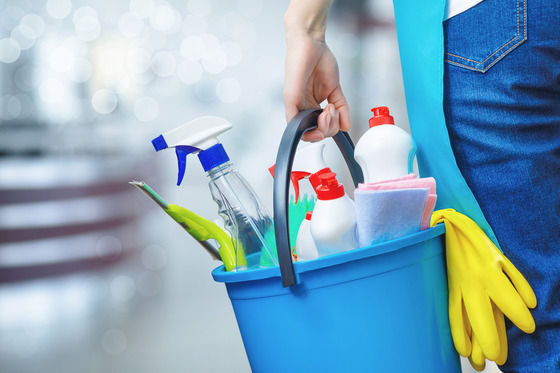
Whether in our homes or our workplaces, cleaning is a part of life. Because cleaning chemicals are used so frequently, health concerns are often overlooked. However, if used improperly or mixed with incompatible chemicals, serious hazards can result.
Critical Chemical Mixtures to Avoid:
Bleach + Ammonia: Never mix products containing chlorine bleach (sodium hypochlorite) and ammonia. This mixture forms chloramine gas, which causes breathing difficulties, shortness of breath, chest pain, and eye, nose, and throat irritation.
Bleach + Acids: Do not mix chlorine bleach with acids (including vinegar). This creates chlorine gas, resulting in eye, nose, and throat irritation, as well as coughing and breathing difficulties.
Hydrogen Peroxide + Vinegar: Mixing these forms peracetic acid. The resulting acid fumes can cause severe irritation to the skin and respiratory tract.
Unsure about a chemical? Always consult the container label or the Safety Data Sheet (SDS), which can be found online from most manufacturers. The SDS provides essential guidance on how to use the chemical safely.
Safe Work Practices to Follow:
Do not mix chemicals.
Only use properly labeled containers to avoid inadvertent mixing.
Read the applicable SDS to obtain relevant safety information.
Use chemicals only in well-ventilated areas.
Vacate the area immediately if strong fumes are generated, and do not hesitate to call emergency services for assistance.
Department Employee Wins Award of Distinction for Recognizing Dangerous Chemical Exposure
Patricia Hosack, a safety consultant for the Division of Labor Standards’ On-Site Consultation Program, received the 2025 Missouri State Team Member Award of Distinction in the Public Service category. The Public Service Award of Distinction is awarded to an individual who shows outstanding dedication to state service, enhancing citizens’ quality of life. Ms. Hosack’s peers nominated her for her quick recognition of a dangerous chemical exposure in a public facility, and her decisive action to evacuate the facility and engage emergency responders prevented what could have been a life-threatening situation.
Chemical exposure can happen anywhere!
Silicosis Prevention: Protecting Workers from Crystalline Silica Dust
The countertop manufacturing industry is facing a severe health crisis driven by exposure to respirable crystalline silica. When workers cut, grind, polish, and drill stone slabs, particularly engineered stone (quartz), which can contain up to 90% crystalline silica, they release a fine, invisible dust into the air.
When inhaled, these microscopic particles penetrate deep into the lungs, causing irreversible damage. This exposure leads to silicosis, an incurable and progressive lung disease that causes severe scarring and respiratory failure, often striking young workers after only a few years on the job. The massive popularity of engineered stone has made countertop fabrication one of the most hazardous sectors in modern manufacturing.
Critical Preventative Measures:
To combat this issue, strict workplace safety regulations and industrial hygiene practices are critical:
Wet Methods: Slabs must be processed using a continuous stream of water to suppress dust at the source and prevent it from becoming airborne.
Ventilation: Facilities must implement robust local exhaust ventilation systems.
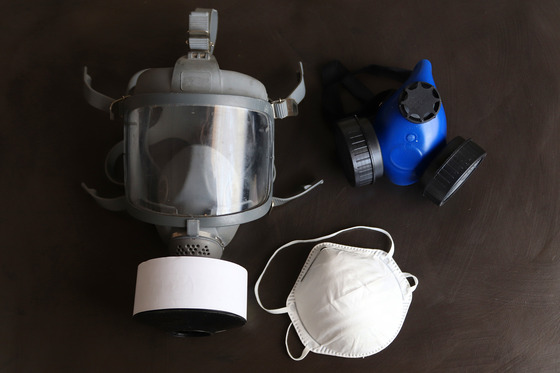
Respiratory Protection: Employers must mandate the use of specialized, NIOSH-approved respirators (like N95s or powered air-purifying respirators) rather than standard dust masks.
Compliance & Training: Employers are legally and ethically obligated to conduct regular air monitoring and provide comprehensive safety training.
Without a rigorous, daily commitment to these preventative measures, the human cost of producing modern kitchens will continue to be tragically high.
Contributing authors:
Daniel Stark Program Manager
Jennifer Cummings Occupational Safety and Health Consultant
Sarah North Occupational Safety and Health Consultant