Spring Safety Zone: Business Case for Safety | Injury Stats | Severe Weather | OSHA Poster

White text on an orange background that reads: The Safety Zone, trends and updates for a safer workplace

Spring 2026

Two warehouse workers in safety vests and hard hats provide assistance to a colleague who has fallen on the concrete floor next to a stack of boxes.

Reducing Workers’ Compensation Insurance Costs

The Business Case for Safety and Health

In its 2025 Workplace Safety Index, Liberty Mutual estimated that employers paid more than $1 billion per week in direct workers’ compensation costs. Beyond these direct expenses, workplace injuries reduce productivity and morale while increasing risks of OSHA penalties, legal costs, and turnover.

The most effective way to save money is to prevent injuries from happening. An effective safety program, including safety committees, training, and incident investigations, can significantly minimize your risks.

Injury Management Strategies

If an injury does occur, a strong management program can reduce the severity and total costs:

  • Response Protocol: Have a clear plan in place before an injury occurs, including reporting procedures and designated medical providers.
  • Directed Medical Care: Utilize urgent care or occupational medical providers for non-emergencies to cut costs and improve case management.
  • Immediate Reporting: Report injuries quickly to conduct investigations and prevent fraud.
  • Telemedicine: Use nurse triage lines to ensure proper care is received quickly without unnecessary escalation.
  • Return to Work (RTW): Implement light or modified duty programs to reduce lost time claims.
  • Occupational Medicine Provider: Maintain a good relationship with your occupational medicine provider to make sure they understand daily tasks of your employees and any RTW options that are available to injured workers.
  • Communication: Maintain a positive relationship with injured employees and stay in contact with healthcare providers and insurance carriers.
  • Drug-Free Policies: Post accident drug/alcohol testing and drug-free workplace policies to deter substance abuse and ensure safety. A formal policy and procedure for testing should define what constitutes a reportable accident and the procedures for testing.

Missouri Workers’ Compensation Law requires workers' compensation insurance carriers to provide loss control services to their insured employers upon their request. Reach out to your carrier on ways that they can help you reduce your workers' compensation exposure and take care of your employees.

A close-up, shallow-focus photograph of printed business reports showing various blurred bar charts and line graphs in red and blue.

2025 Missouri Workers’ Compensation Injury Statistics

Data reported to the Missouri Division of Workers' Compensation as of February 6, 2026.

Fatal Injuries (78 Total)

  • Leading Cause: Automobile-related accidents (20 fatalities).
  • Top Industries: Manufacturing, Administrative/Support/Waste Management, and Public Administration (11 fatalities each).
  • Demographics: 87% were men; the 60-69 age group was the most impacted.
  • Timing: Most occurred on Thursdays and Mondays and during the months of February and July.

Non-Fatal Injuries (90,000+ Total)

  • Top Industry: Health Care and Social Assistance.
  • Top Cause: "Lifting" was the primary cause, followed by "Fall, Slip or Trip on the Same Level".
  • Leading Nature: Strains or tears.
  • Demographics: Most injuries occurred to the 20-29 age group.
  • Timing: Most injuries occurred on Tuesdays and during the month of January.

Additional workers' compensation injury statistics can be found on the Safe at Work website, including data broken down by industry and county.

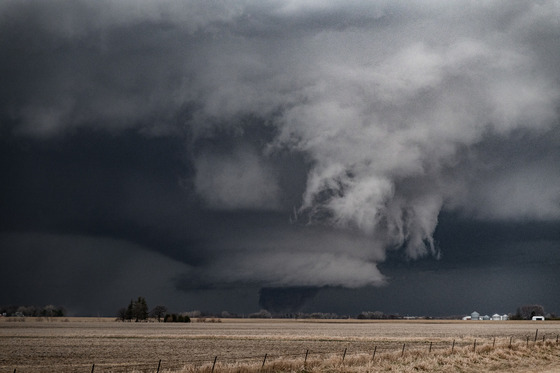
A massive, dark wall cloud and developing tornado loom over a flat, rural field under a heavy, grey sky.

Severe Weather Preparedness

Tornado season is here. Use these tips to ensure your team is ready:

  • Stay Alert: Follow forecasts if severe weather is anticipated. At home, have multiple ways to receive weather alerts — a weather radio or severe weather text message or e-mail alerts.
  • Know the Difference: A Watch means tornadoes are possible; a Warning means one has been sighted — seek shelter immediately.
  • Identify Shelter: Use interior rooms without windows on the lowest level (preferably a basement) and mark them with signage.
  • Conduct Drills: Ensure all employees and visitors know where to go.
  • Outdoor Safety: If working outdoors, seek sturdy shelter immediately; never seek shelter under an overpass.
  • Post-Storm Safety: Treat all downed power lines as live and wear protective gear during cleanup.

Many employers are required to have an Emergency Action Plan, but everyone could benefit from having elements of an Emergency Action Plan not only for their workplace but also for their home.

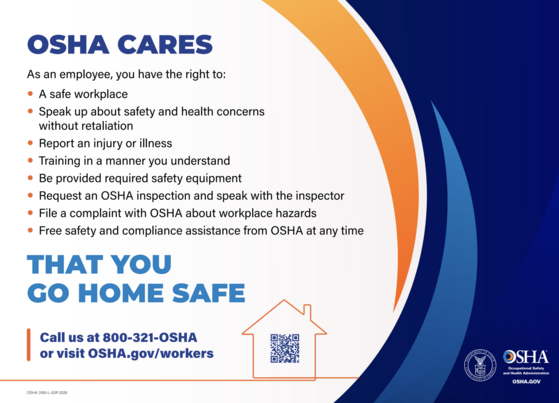
OSHA CARES infographic detailing employee rights for workplace safety.

Did You Know?

OSHA has updated its "Job Safety and Health: It’s the Law" poster to the OSHA CARES poster.

  • Requirement: All OSHA-covered employers must display a version of this poster.
  • Action: You may download the new version for free on OSHA’s website or continue using your current version.

MWSP

Missouri Workers’ Safety Program

The Missouri Workers’ Safety Program helps employers to improve workplace safety and reduce their workers’ compensation insurance costs.

We work to ensure that Missouri businesses have access to individualized safety and health services. There are three ways for an employer to receive service:

  • Your workers’ compensation insurance carrier must provide you with individualized safety assistance at your request. Ask your carrier about these services today. If you feel that your carrier is not providing you with adequate service, contact the Missouri Workers’ Safety Program.
  • The Missouri Workers’ Safety Program maintains a list of certified safety consultants and engineers that can offer you independent services.
  • The Missouri Workers’ Safety Program offers free safety and health services to Missouri businesses. Contact us today for additional information. Complete a Request for Services (WSP-6).

UPCOMING EVENTS/LABOR NEWS

APRIL 14: Mine Rescue Skills Competition at Farmington Convention Center.

APRIL 20-24: National Stand-Down to Prevent Struck-by Incidents/National Work Zone Awareness Week

Struck-by incidents remain a leading cause of death among construction workers and the leading cause of nonfatal injuries. The National Stand-Down to Prevent Struck-by Incidents -- held during National Work Zone Awareness Week -- provides an opportunity for employers to talk directly to employees about struck-by safety.

MAY 4-8: National Safety Stand-Down to Prevent Falls in Construction

The National Stand-Down is a prevention campaign to promote awareness and training on one of the leading causes of fatalities in construction. For materials, resources and events visit the OSHA resource page. Make sure to share on social media! #StandDown4Safety

MAY 21: Safety and Health Management Systems Training

This is a free class offered by the Missouri On-Site Safety and Health Consultation Program. Attendees will learn how to develop a fully functioning safety and health management program. Space is limited, so reserve your seat today by calling 573-522-7233. Read the program flyer for more information. 

JUNE: National Safety Month

This year is the 30th Anniversary of National Safety Month, led by the National Safety Council and celebrated by workplaces and organizations all across the country. Held in June, this year’s weekly safety topics include moving safety forward, staying safe on the roads, promoting holistic worker health, and preventing slips, trips, and falls. Follow the Missouri Department of Labor on social media for more info this June!

Contributing authors:

Jennifer Hyleck
Missouri Workers' Safety Program

Amanda Kremer
Missouri Workers' Safety Program


Safety Zone Subscribe Button