|
Partners,
I want to take a moment to reflect on the important work underway across the Department of Health and Senior Services to reimagine how we deliver programs and services for Missourians. Over the past several months, our team's thoughtful engagement, adaptability and commitment to meaningful outcomes have driven this effort forward. We’re building a more aligned, data‑informed and impactful organization—one that is better positioned to support the health and safety of the people we serve. Thank you for reading.


Reimagining Health and Senior Services
Over the past nine months we have been communicating about the department’s work to reimagine what programs and services we prioritize and how we deliver on those priorities. This work was necessitated due to several factors like changes in funding at the federal level, anticipated state budget cuts, and changes in federal health and response priorities. But it wasn’t all driven by external pressures and budget contractions. There was a palpable desire to ensure the work we perform has a meaningful impact on the health and safety of Missourians, an internal desire to systematically evaluate our ‘why’ and validate our progress through outcomes.
To date, all programs and services have been cataloged and prioritized. A second review and updates will occur by division leaders during the months of May/June. We will utilize that information on an ongoing basis to ensure we have an up-to-date account of the work occurring in the department. A complement to this evaluation occurs through use of AchieveIt, our performance management platform. AchieveIt is the platform we use to log, monitor and evaluate outcomes. Our program managers, data and epidemiologic members, and leaders will use our performance data to make strategic changes.
In addition to the logging, prioritizing and monitoring of programs and services, we have been engaged in doing a mid-plan refresh of our strategic plan and action steps to achieve our priorities. The varied discussions have been rich, challenging department leaders to view and label our work differently in some cases. For example, as a department our Division of Administration is primarily engaged in state health operations support. Our Division of Regulation and Licensure is engaged in health regulation. Our Division of Senior and Disability Services provides services targeted to seniors and those with disabilities to support independence and safety. Our Division of Community and Public Health is engaged in health promotion and protection as is the State Public Health Laboratory. The Division of Cannabis Regulation is, well, cannabis regulation. Cannabis, health promotion, regulation, protection, senior and disability services, and operational support encompass our work.
We are currently having discussions as to how to best align and deliver all public health programs and services to support health regulation, protection, promotion, and senior and disability services. We will further organize teams and resources to support improved health outcomes, help external stakeholders easily identify subject matter experts, align internal work through common purpose, and provide a framework for future opportunities.
The work and thought that has gone into the reimagine process isn’t about cost reduction, in itself isn’t easily measured, and its importance cannot be overstated. It is about aligned, measured and impactful programs to improve health and safety. It will become clearer to our team members and stakeholders as we start having conversations about why some traditional functions and teams are working with or are reporting to new areas or teams; when changes to programs and processes occurs; when new or revised roles emerge; and as agreements and funding supports look different. In the end, all future department changes will occur with the goal of improving health and safety of Missourians, our partnerships and our workplace.
|

Changes to Ryan White Program
The department’s Division of Community and Public Health administers the Missouri Ryan White HIV/AIDS Program-Part B. This program provides statewide medication and specialized support for those diagnosed with Human Immunodeficiency Virus (HIV). In the past, the available funding allowed the department to provide programs and services in addition to medications including intensive case management, coverage of non-diagnosis related medications, emergency funding, housing support and more. Ryan White is a payor of last resort. Ryan White requires recipients to vigorously pursue other resources and sources of funding before funds.
Beginning with the new program year that started April 1, stakeholders and department team members are seeing some changes to the level of funding support provided. The department is implementing cost-containment measures due to a projected funding shortage based on past utilization. These cost-containment measures are necessary to ensure clients are served with the highest priority interventions, to achieve a balanced budget and improve program efficiency. Factors such as increased program utilization, medication costs, insurance costs, spenddown costs and decreased medication rebates have contributed to this change.
Over 6,000 Missourians are served through the state’s Ryan White program. Our goal is to continue providing essential services such as medication but will begin phasing out or reducing things like oral health services, non-diagnosis related drug therapy, case management, substance use and mental health services. While these are important services there may be coverage provided through other programs. Monitoring and adjusting services will be an ongoing and continual process. Questions can be directed to Alicia Jenkins and Janice Jamison.
|
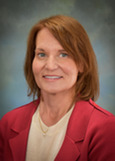
Welcome, Sarah Morrow!
We’re excited to welcome Sarah Morrow, JD, SPHR, as our Chief People Officer who joined us in March. She brings more than 20 years of progressive HR leadership, with strengths in employee engagement, talent development, change management, workforce planning and legal compliance.
Sarah has led HR at MU Health Care and Capital Region Medical Center, guiding enterprise initiatives including cultural transformation, benefits optimization, large-scale integration and centralized operations.
Please join me in welcoming Sarah and supporting her work to advance a people‑first, high‑performance culture across the department.
|

Medical Marijuana Rescheduling
The DOJ and DEA are rescheduling marijuana that is sold in a DEA-registered, state regulated medical marijuana marketplace to Schedule III, which allows for medical use. Recreational marijuana (or in Missouri “adult use cannabis”) is still listed as a Schedule I substance, though there will be an administrative process initiated to consider rescheduling all marijuana. A manufacturer, distributor or dispenser that wants its products to be classified as Schedule III will be required to register with the DEA and maintain their Missouri medical marijuana license. The department is evaluating the anticipated change from a provider, cannabis facility and health facility regulatory standpoint. Additional information will be forthcoming.
|
 April Team Member of the Month
Connie Viele has been selected as the Team Member of the Month for April! Connie is a Public Health Program Specialist with the Division of Community and Public Health.
Connie's exceptional leadership and dedication to improving newborn health and safe sleep education has given countless Missourians the tools to keep the littlest members of their families healthy and safe. Her careful preparation, evidence-based resource development, and commitment to clear, consistent messaging ensures that families receive accurate and reassuring guidance during vulnerable moments. This was recently highlighted at the Mid-MO Baby Expo, where a new father shared that Connie’s support helped him and his partner feel more confident and less overwhelmed with their newborn. Her work creates meaningful, real‑world benefits for families and advances DHSS’ vision to foster optimal health and safety for all Missourians, in all communities, for life.

Stress in the Workplace
by Eric Hueste, Office of Emergency Coordination
Working in public service can be deeply rewarding, but it also comes with unique challenges and stressors. Recognizing stress and learning effective ways to manage it is essential not only for your well-being but also for maintaining positive interactions with the public and your colleagues. Stress is a natural response to high-pressure situations, tight deadlines, or challenging interactions. While short-term stress can be motivating, prolonged stress can affect physical health, emotional balance and job performance. Being aware of your stress triggers and signs such as irritability, fatigue or difficulty concentrating is the first step toward managing them effectively.
Consider stress relieving tactics such as organizing your workspace, increase physical activity, eat a healthy diet, talk to friends, and seek new connections with others. When stress becomes too much, ask for help. Taking care of yourself is a sign of strength.
“Remember that stress doesn’t come from what’s going on in your life. It come from your thoughts about what’s going on in your life.” – Andrew Bernstein
De-escalation Tactics in the Workplace:
De-escalation tactics are verbal and non-verbal techniques used to calm agitated individuals. By lowering emotions and tensions we lower the chance of physical harm, reduce the need for force and create positive outcomes to complex situations. When interacting with the public or colleagues in tense situations, de-escalation techniques can help maintain safety and build trust:
- Stay Calm: Keep your voice steady and maintain open body language.
- Listen Actively: Let the person feel heard. Repeat back key points to show understanding.
- Empathize: Acknowledge their feelings without necessarily agreeing with them.
- Set Boundaries Respectfully: Maintain professionalism while setting limits on inappropriate behavior.
- Problem-Solve Together: Offer options and solutions when possible, focusing on collaboration.
Resources & Support
Our agency provides resources to support employee well-being, including counseling services, wellness programs, and stress management. Don’t hesitate to reach out if you need support. The SELF program is available 24/7 at 800-808-2261.
Together, we can foster a healthier, safer and more supportive workplace. Thank you for the dedication and professionalism you bring to our community every day.
|

FY27 State Budget Update
The department’s proposed FY27 budget has passed both chambers and is headed to conference. Most items slated for change are “non-conferenceable,” meaning the House and Senate agreed upon the item and are moving forward “as is.” Department team members may work with their division directors if they are interested in understanding the details of departmental changes. Our stakeholders will begin receiving anticipatory communication on changes followed by formal communication once we have a more finalized account.
|
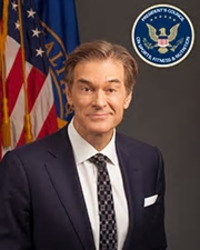
Dr. Oz's Fraud Crackdown
Dr. Oz announced publicly that state Medicaid agencies will be asked to provide a plan on how to revalidate Medicaid providers to reduce Medicaid fraud. The plans will be required of all 50 states, and each state will have 30 days to submit the plan.
|
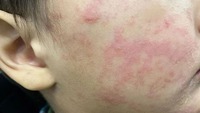
South Carolina Measles Outbreak Ends
South Carolina health officials have announced that the measles outbreak in South Carolina is over – with 997 individuals contracting measles and 21 individuals hospitalized. The article from The Hill states that health officials estimate the outbreak response cost $2.1 million, which highlights the importance of communicable disease prevention to avoiding a toll to both human health and the budget.
|

Whole Grains vs. Whole Grain Foods
An article in The Atlantic highlights ambiguity on how to define “whole grains” and what qualifies as a whole grain food – especially in an era where whole foods and processed foods are at the forefront of the national conversation. Much of the research cited are from small or ongoing studies and are not conclusive, but may be helpful in better understanding the American food supply and its effects on diet and health.
The article examines the “whole grain” label by the Whole Grain Council (eight grams of whole-grain ingredients per serving) and the FDA definition of a good that has a grain content that is at least 51% whole grain. Neither definition means that the grains in a food labeled as whole grain are completely whole grain.
The article also explains how “whole grain” foods do not mean that the grains have not been molecularly disassembled or processed, just that the bran, endosperm, and germ are present in the food product – each of which can be “sourced from different factories and then recombined into a new food product.” Some whole grain breads also have their natural insoluble fiber removed and replaced with a different soluble fiber.
Even if a food is labeled as “whole grain,” its processing may still affect digestion, blood sugar, and the gut microbiome, thereby ultimately affecting health.
|

ACIP Charter Modified
A new ACIP charter was approved on March 31 by Secretary Kennedy and published in the federal register on April 6, which made modifications to both the scope of the advisory committee and its membership qualifications. The charter was already anticipated to change when the previous charter was set to expire by April 1, coming on the heels of the March preliminary injunction that blocked ACIP activities and the CDC’s amended vaccine schedule in part based on the lack of ACIP member qualifications.
The new charter expands the potential qualifications of members, with the previous version including immunization practice and public health, the use of vaccines and immunobiologic agents in clinical or preventive medicine, clinical or laboratory vaccine research, or assessment of vaccine efficacy and safety (as well as one more person's knowledge about consumer perspectives and/or social and community aspects of immunization programs). The new criteria add more broadly the fields of medicine, toxicology, pediatric neurodevelopment, epidemiology, data science, statistical analysis, health economics and recovery from serious vaccine injuries.
The charter also adds to ACIP’s scope, which now includes providing recommendations on vaccine safety surveillance systems and gaps in vaccine safety research.
|
External Training Opportunity
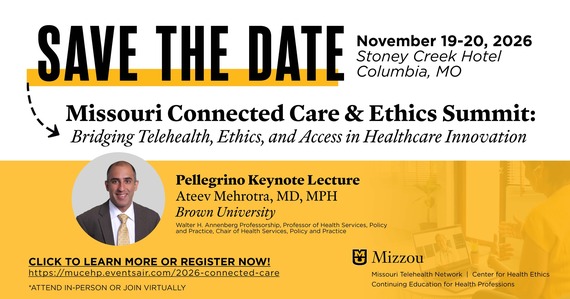
Learn about bridging telehealth, ethics and access in healthcare innovation. This event will feature Pellegrino Keynote Lecture Ateev Mehrotra, MD, MPH, from Brown University.
Secure your attendance or find more information.
 Thank you for your continued partnership!
|