Program Highlights
DHSS’ School Health Program Releases 2024-2025 Program Report
The DHSS School Health Program has released their 2024-2025 Program Summary Report, bringing together findings from the Staffing Survey, Special Health Care Needs Survey, and Student Encounter data collected through the School Health Services Online Reporting System with program priorities and accomplishments, key trends, and takeaways. The report provides a snapshot of the role of school health in supporting student well-being and fostering stronger communities, while looking ahead to the future program efforts.
Missouri Maternal Health Action Network Recognized as an Emerging Practice by AMCHP

The Missouri Maternal Health Action Network (MHAN) has been recognized as an Emerging Practice by the Association of Maternal and Child Health Programs (AMCHP) and is now featured in AMCHP’s national MCH Innovation Database, a distinguished, searchable repository showcasing practice-based evidence and effective approaches that demonstrate meaningful impact on MCH populations. MHAN was selected for its strong integration of community and clinical partnerships within existing MCH initiatives, meaningful engagement of community partners centered on the integration of voices of lived experience, commitment to adapting tools and resources for greater accessibility, and focus on cultural responsiveness. This designation reflects MHAN’s early signs of success, foundation in a solid theoretical framework, clear evaluation plan, and efforts to actively build evidence of meaningful impact on MCH outcomes. Learn more about MHAN and explore their latest updates.
|
DHSS’ Office of Dental Health Offers Free Introduction to Water Fluoridation Trainings
DHSS’ Office of Dental Health (ODH) is offering free, in-person Introduction to Water Fluoridation trainings, culminating with a water plant tour at completion of the trainings. The Department of Natural Resources is providing seven hours of continuing education credits for Drinking Water Treatment and Distribution Certifications, and ODH will provide seven hours of continuing education credits to dental professionals. To sign up for one of the upcoming trainings, please complete this brief survey. Detailed information will be emailed to registered attendees.
 Program Spotlight
Tobacco Prevention and Control Program
Tobacco use remains the leading cause of preventable death and disease in Missouri. The Tobacco Prevention and Control Program (TPCP) within DHSS’ Bureau of Community Health and Wellness aims to prevent initiation among youth and young adults, promote quitting among adults and youth, eliminate exposure to secondhand smoke, and identify and eliminate the burden of tobacco-related diseases, disabilities, and deaths among those most impacted.
How does the TPCP support the MCH population?
The MCH population is greatly impacted by the burden of tobacco use and exposure in Missouri. Missouri has one of the highest national adult smoking rates, with smoking rates in some rural counties three times the national rate, and 10% of Missouri mothers smoking while pregnant. TPCP seeks to reduce tobacco use and secondhand smoke exposure among the MCH population through cessation services, youth prevention activities, and policies to increase access to smoke-free air.
-
Cessation: Missouri Tobacco Quit Services (MTQS) and My Life My Quit are free to all Missourian’s ages 13 and older. Pregnant and postpartum enrollees can earn up to $220 in incentives to support them in their quit journey with MTQS. There is also expanded counseling for enrollees self-identifying as struggling with behavioral health issues.
-
Youth Prevention: TPCP provides support to schools and youth serving organizations to ensure children receive evidence-based tobacco prevention education, access to cessation and supportive discipline as an alternative to suspension. TPCP also seeks to educate citizens and partners on evidence-based tobacco prevention strategies.
-
Smoke-free Environments: Only 1 in 3 Missourians live in a community with comprehensive smoke-free protection. Children are particularly vulnerable to secondhand smoke and associated health risks. Rural and low-income children are more likely to have high levels of cotinine, a marker of nicotine, in their bloodstream even if they do not live with a caregiver who smokes. TPCP assists communities, businesses, and multi-unit housing properties with implementing smoke-free policies and increasing access to smoke-free air.
Whom do you partner with to implement TPCP activities/goals and improve the health of the MCH population?
TPCP partners with the Missouri Tobacco Prevention and Control Strategic Plan Workgroup and the Tobacco-Free Missouri coalition which includes local coalitions, prevention resources centers, health care providers, American Cancer Society, American Lung Association, the American Heart Association, and other stakeholders to improve the health of the MCH population and all Missourians.
Please share any challenges you have encountered in your work with TPCP.
The great thing about tobacco prevention and control is that the evidence-based strategies are known and proven to work. All state Tobacco Prevention and Control Programs work from what we call the tobacco control vaccine or the tobacco prevention toolbox. The foundational strategies are smoke-free environments, hard hitting media campaigns, increasing access to cessation, and increasing the price of the product. The challenging part is gaining buy-in for the evidence-based strategies and long-term policy, system, and environmental change strategies that will have the biggest impact and the largest number of people. Gaining buy-in for these strategies is particularly challenging given Missouri’s history of tobacco industry influence and tobacco use as a social norm.
Please share a success story about TPCP.
As a result of Smoke-Free Rental Housing Program, supported through funding and technical assistance by DHSS and in partnership with the American Lung Association in Missouri, Hallmark Properties in Springfield, Missouri recently adopted a comprehensive smoke-free policy. The new policy will protect 600 units across multiple properties. Many of the properties are designed for families and have playgrounds which will result in the children who live there growing up in a smoke-free environment. Children who grow up in smoke-free environments have less health problems and are much less likely to begin using tobacco themselves as they grow older. A smokefree housing directory has also been established through this program, making it easier for residents to find smoke-free housing options while celebrating property owners who provide healthy living environments. Property owners and managers are invited to list their smoke-free properties in the directory completely free of charge.
What does TPCP hope to accomplish within the next few years?
TPCP hopes to see lower youth initiation rates in the next few years. Most Missourians who smoke became addicted to nicotine before the age of 18. The latest data from the Youth Risk Behavior Surveillance System is alarming and shows disparities between Missouri and the rest of the nation:
- Nearly 24% of Missouri teens have tried cigarettes; (14% national)
- 41% of Missouri teens have tried vaping
-
1 out of 3 9th and 10th graders have tried vaping
-
Half of 11th and 12th graders have tried vaping
- 21% currently vape; (16% national)
- 6% currently smoke
TPCP is starting a new program to increase capacity to assist schools, and we are seeing success and momentum with our youth advocacy program, Next to Rise.
 News of Note
DHSS Chief Medical Officer Recognized by Missouri Academy of Family Physicians

The Missouri Academy of Family Physicians (MAFP) recently presented the first-ever Presidential Award for Excellence in Family Medicine to Heidi B. Miller, MD, DHSS Chief Medical Officer. Established in 2025, this award recognizes significant contributions to Missouri family medicine in the previous year. According to the MAFP, Dr. Miller has been a strong advocate for primary care, highlighting its essential role in public health, workforce development, maternal health, and access to care. In accepting the award, Dr. Miller reflected on the mentors and early inspiration that guided her clinical career and work in Missouri’s safety-net clinics and expressed deep gratitude for MAFP’s partnership and leadership in driving statewide GME strategy, expanding workforce initiatives, and advocating for evidence-based policy solutions.
Dr. Miller trained at Yale University and Harvard Medical School and completed her residency at Brigham and Women’s Hospital. She is a well-informed champion for maternal, child and family health, and her career is marked by numerous honors, including the MHCA Health Care Champion Award, St. Louis Business Journal 40 Under 40, Gold Humanism Honor Society, and St. Louis 2025 Titan 100 recognition. She provides clinical and strategic guidance across DHSS programming while maintaining a primary care practice at Family Care Health Centers in St. Louis.
|
State Director for Maternal, Child and Family Health Reelected to AMCHP Board of Directors
Martha Smith, State Director for Maternal, Child and Family Health and State Lead for Public Health Nursing, was reelected to serve an additional three years as the Region VII Director on the AMCHP Board of Directors. The AMCHP Board of Directors is responsible for helping achieve the organization’s mission to advance the health of women, children, youth, families, and communities by strengthening governmental public health and deepening community partnerships. Its members hold key positions in maternal and child health and public health across the nation.
University of Missouri College of Education and Human Development Honors State Director for Maternal, Child and Family Health with Outstanding External Partner Engagement and Outreach Community Award
 |
|
Martha Smith was honored for her steadfast partnership and commitment to children and families across the state and her ability to engage partners and work across sectors to create meaningful impact for families. As a member of ParentLink’s Advisory Board, nominators credit her with bringing deep expertise and a broad, statewide perspective to every collaboration, connecting ParentLink to key partners, and expanding ParentLink’s reach through strategic guidance and thoughtful collaboration. She is described as a “pillar of support” who works tirelessly to strengthen programs and partnerships, and, through her leadership and counsel, has made enduring contributions to the health and well-being of Missourians. |
Missouri Secures Over $216 Million Through the Rural Health Transformation Program
Missouri has been awarded more than $216 million in first-year funding for the Rural Health Transformation (RHT) Program, a $50 billion initiative designed to strengthen health care access, improve outcomes, and support innovative care in rural communities. Awarded through a competitive process on Missouri’s ability to demonstrate innovation, community engagement, and measurable impact, Missouri’s transformative plan was completed in coordination with the Governor’s Office, the Department of Social Services (DSS), DHSS, the Department of Mental Health, and key health care stakeholders, including the Missouri Hospital Association, the Missouri Behavioral Health Council, and the Missouri Primary Care Association. DSS’s MO HealthNet Division is leading Missouri’s RHT efforts to increase access to care, improve quality, enhance care coordination, and incentivize long-term sustainability to create a health care ecosystem that will support Missouri’s rural communities for generations to come. For more information on Missouri's RHT plan, please visit DSS's website and CMS’s summary for all 50 states.
Recognizing Black Maternal Health Week

Black Maternal Health Week, founded and led by Black Mamas Matter Alliance, is recognized annually on April 11th-17th to bring awareness and action to improving Black maternal health. In the United States, hundreds of women die during pregnancy or in the year after. In Missouri, Black women are 2.5 times more likely to die from pregnancy-related causes than White women. There are multiple contributors to these disparities, such as variations in quality of health care, including prenatal and postpartum care, underlying chronic conditions, and socioeconomic factors.
The week’s theme, “Rooted in Justice & Joy”, celebrates the leadership and expertise of Black community-based organizations as the foundation for advancing efforts to promote optimal health outcomes and ensure transformative, sustainable improvements in Black Maternal Health. It also highlights the essential role of collaboration and collective action between and with Black-led organizations, advocates, and communities to lead advocacy efforts, shape policies, and amplify solutions. For more information and ways to get involved:
|
FDA Recall: “Tippy Toes” Brand Apple Pear Banana
IF Copack LLC d.b.a. Initiative Foods (“Initiative Foods”) is recalling one lot of the “Tippy Toes” brand Apple Pear Banana Fruit puree due to elevated levels of patulin. Patulin is a naturally occurring substance (called a mycotoxin) which is produced by molds that may grow in various fruits, including apples. Click here for more information.
 Save the Date
2026 Missouri Children's Trauma Network Training Summit
April 7th-8th, 2026 | In-person | Columbia, MO
Join the Missouri Children’s Trauma Network and professionals from across the state for an inspiring and impactful two days of learning, networking, and collaboration focused on trauma-informed practices and effective strategies for supporting youth. This event is packed with engaging sessions, practical tools, and opportunities to connect with peers and experts in the field. Click here to learn more and register.
3rd Annual Missouri Black Maternal Health Summit & Black Maternal Health Rest & Healing Experience
April 16th-17th, 2026 | In-person | St. Louis, MO
Jamaa Birth Village, in collaboration with the Missouri Community Doula Council, will host Missouri’s 3rd Annual Black Maternal Health Summit & Black Maternal Health Rest and Healing Experience. This two-day summit will convene midwives, doulas, parents, healers, maternal health practitioners, community birth workers, policymakers, and advocates to promote Black maternal health, policy transformation, and sustainable community care.
Safe Sleep Summit 2026
April 17th, 2026 | In-Person | St. Louis, MO
The Safe Sleep First Partnership, Nurses for Newborns and Generate Health proudly present the annual Safe Sleep Summit. The Summit is FREE to attend, but registration is required.
22nd Annual Missouri Youth Leadership Forum
July 14th-18th, 2026 | In-Person | Columbia, MO
The Missouri Youth Leadership Forum (MO-YLF) is a FREE five-day, four-night leadership and career awareness program for high school students with disabilities. Participants build leadership and self-advocacy skills, explore career pathways, learn about the disability community, disability laws, and the legislative process, connect with mentors and peers, and more. MO-YLF equips students with the tools to reach their post-secondary goals in education, employment, and independent living, while having fun and making lifelong friends!
 MCH Resources and Tools
Breathe 4 Baby: Resources Supporting Asthma Health During Pregnancy and Lactation

Managing asthma during pregnancy is so important for people who are pregnant and their babies. Uncontrolled asthma during pregnancy can lead to health problems like high blood pressure, pre-eclampsia, and low infant birth weight. Keeping asthma well-controlled reduces the chance of these problems, promoting better birth outcomes and healthier babies.
The Asthma and Allergy Foundation of America, in collaboration with the American Academy of Allergy, Asthma, & Immunology, developed the Breathe 4 Baby program. The program provides tools such as a pregnancy and lactation asthma action plan, a pregnancy asthma control test, and asthma medication fact sheets to help educate health professionals, patients, and caregivers about the importance of managing asthma during pregnancy and the postpartum period.
|
The Policy Center for Maternal Mental Health: Adverse Childhood Experiences Resource Page
The Policy Center for Maternal Mental Health has created a resource webpage on adverse childhood experiences (ACEs). Learn more about ACEs during the perinatal period and how addressing these cycles of trauma can improve outcomes for moms and babies.
Pediatric Mental & Behavioral Health: A Guide for Primary Care Settings

The Missouri Child Psychiatry Access Project (MO-CPAP) Pediatric Mental and Behavioral Health Guide for Primary Care Settings is a robust care guide for pediatric primary care providers and those who would like to further their knowledge about pediatric mental health topics and treatments. The guide covers 11 mental health diagnoses and provides information on screening and assessments, differential diagnosis, psychopharmacology, and working with special populations. The guide includes diagnostic flowcharts, clinical pearls, medication tables, nonpharmacological tables, and printable screeners to support providers in their care of children and adolescents with mental health concerns.
|
Missouri Perinatal Quality Collaborative: The One-year Postpartum Pathway Report
In partnership with the Missouri Hospital Association and DHSS, the Missouri Perinatal Quality Collaborative convened the Missouri Optimizing Postpartum Care Task Force, which developed The One-year Postpartum Pathway to further broaden the definition of the postpartum period and outline the standards for and continuity of postpartum care through the full 12 months post-delivery. An executive summary of the report is also available.
Charlie’s House: Virtual Safety Experience

Every home should be a safe place for children to grow, explore, and thrive. Charlie’s House is proud to introduce the Virtual Safety Experience app and webpage—an innovative tool designed to help families identify and prevent household hazards before accidents happen. With an interactive, room-by-room virtual guide, this app empowers parents, caregivers, and educators with the knowledge they need to create a safer home environment for children.
|
National Youth Leadership Council: The Power of Young People Podcast
National Youth Leadership Council CEO, Amy Meuers, explores how young people are using their ideas, creativity, and passion to shape a better world and how educators can utilize the power of service-learning to redesign education. This podcast is perfect for young people who want to change the world and adults who want to foster youth innovation and imagination through real-world education. Listen to podcast episodes here.
AIM: For Safer Birth Podcast
Join Alliance for Innovation on Maternal Health (AIM) as they dive deeper into the rising severe maternal morbidity and maternal mortality rates in the United States through a data-driven, quality improvement lens. Each episode will foster discussion with those committed to improving maternal health outcomes and saving lives. You can catch up on previous podcast episodes here.
AMCHP: MCH Bridges Podcast
MCH Bridges is designed to help listeners create new connections to MCH leaders and organizations to inspire and guide listeners toward actions that will improve the systems that impact MCH populations. You can catch up on previous episodes of the Podcast here.
Mental Health Hotlines
 |
|
National Maternal Mental Health Hotline: 1-833-TLC-MAMA (1-833-852-6262)
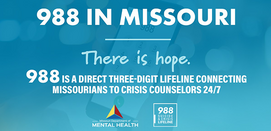
988 Suicide & Crisis Lifeline: 988
|
|