Sibling Support
What is it like to be a sibling of a brother or sister with special health care needs? It can be both rewarding and hard. Siblings may feel love and pride, while also feeling worried or frustrated at times. Some siblings take on extra chores or responsibilities at home that are usually done by adults. They are sometimes called “glass children,” because they feel unseen, when most of the family’s attention is on their sibling’s care.
Siblings often act mature for their age, but they still need support and time to share their own feelings. When siblings are supported, the whole family becomes stronger.
What to look for:
-
Feelings: Siblings might feel embarrassed, worried, angry or guilty for being healthy. They often hide these feelings to avoid making their parents more stressed.
-
Special stress: They may feel like they need to be "perfect" or do more, to make up for their brother’s/sister’s struggles. Siblings may also feel like they have to grow up fast, or take care of others, which can change their own childhood.
-
Feeling invisible: Parents are often very busy with a brother or sister who needs more help, which can make the sibling feel like they are unimportant or unnoticed.
-
Good qualities: Despite challenges, many siblings become very kind, caring, patient and mature.
How to help:
-
Individual time: Make time for each sibling to do activities they enjoy. This helps them build a relationship that is not just about caregiving.
-
Honest talks: Share information about the brother’s/sister’s condition in a way siblings can understand. Be truthful. This can help ease worries.
-
Acknowledge feelings: Encourage siblings share their feelings of frustration, anger, or sadness without being judged.
-
Keep them safe: Make sure siblings have a secure place, both emotionally and physically, especially when the brother/sister with special needs is having a difficult day.
-
Meet other siblings: Find support groups. Groups like the Sibling Leadership Network and Sibling Support Project help siblings connect with others who are going through similar experiences.
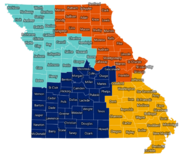
For more information, please visit the Family Partnership webpage. If you have questions or concerns, please contact your Family Partner. Click the thumbnail to select your county and locate contact information. |
|
 |
This project is/was funded in part by the Missouri Department of Health and Senior Services Title V Maternal Child Health Services Block Grant and is/was supported by the Health Resources Services Administration (HRSA) of the U.S. Department of Health and Human Services (HHS) under grant #B04MC52935, Maternal and Child Health Services for $12,742,189, of which $0 is from nongovernmental sources. This information or content and conclusions are those of the author and should not be construed as the official position or policy of, nor should any endorsements be inferred by HRSA, HHS or the U.S. Government.
|