|
Partners,
February is more than Valentine’s Day—it’s also American Heart Month, a time to focus on the health of our hearts. Heart disease remains the leading cause of death in the US and Missouri, but the good news is that many risk factors are preventable. This month, let’s take a moment to share tips, resources and reminders that help us—and the communities we serve—make heart-healthy choices every day. Below, you'll see some information compiled by our Division of Community and Public Health experts about the burden of heart disease, how you can protect your heart and what some of our programs are doing to support heart health in Missouri.
Also included in this newsletter:
The Burden of Cardiovascular Disease
Cardiovascular disease (CVD) remains the leading cause of death in Missouri, accounting for about 23% of all deaths statewide. While heart disease mortality has declined slightly over the past decade, disparities persist:
-
24% higher death rates among African Americans compared to whites.
-
62% higher among males compared to females.
- Rural counties experience 19.7% higher heart disease death rates than urban areas.
Hospitalization trends show progress:
- Heart attack hospitalizations decreased by 23.4% from 2016 to 2024.
- Stroke hospitalizations decreased by 6.8% during the same period. However, African-American stroke hospitalization rates remain 84% higher than white rates, and male rates exceed female rates by 22%.
Key Risk Factors
Recent Behavioral Risk Factor Surveillance System (BRFSS) data reveal:
- 36% of adults report hypertension.
- 38.5% have high cholesterol.
- 5–6% report coronary heart disease or heart attack history.
- 4.3% have experienced a stroke.
DHSS Programs Driving Change
Oral Health Integration
Poor oral health is linked to heart disease and stroke. DHSS emphasizes:
- Education on oral-systemic health connections.
- Expanding preventive dental services and medical-dental integration.
- Addressing access barriers in rural and low-income communities.
HIV & Heart Health
People living with HIV face double the risk of CVD. DHSS promotes:
- Monitoring heart health in HIV care.
- Educating providers on updated clinical guidelines.
Physical Activity & Nutrition
The Missouri Physical Activity and Nutrition (MPAN) Program works to:
- Expand fruit and vegetable voucher programs.
- Promote breastfeeding continuity of care.
- Support active transportation and Complete Streets policies.
School Health
School-based programs target early prevention through:
- Nutrition education.
- Physical activity promotion.
- Tobacco cessation resources for youth.
Tobacco Prevention
The Tobacco Prevention and Control Program (TPCP) combats high smoking and vaping rates through:
-
Quit services for all Missourians.
- Smoke-free policy advocacy.
- Youth prevention education and media campaigns.
Cardiovascular Disease Program (CVDP)
Focuses on:
- Hypertension and cholesterol management.
- Team-based care and community-clinical links.
- Self-measured blood pressure monitoring programs.
Health Equity & Minority Health
The Office of Minority Health and Health Equity (OMHHE) collaborates with partners like the American Heart Association to improve education and health literacy. Initiatives include:
- CPR training programs in rural and underserved communities.
- Webinars on EMS data and cardiac emergency preparedness.
Why it Matters
Despite progress, CVD prevalence remains high and inequitable across Missouri. DHSS continues to lead efforts in prevention, education and access to care—working toward a healthier future for all Missourians.
What Can You Do to Protect Your Heart?
- Know Your Numbers
- Monitor blood pressure, cholesterol and blood sugar regularly.
- Participate in Self-Monitoring Blood Pressure Programs available in your area.
- Eat Heart-Healthy
- Choose a diet high in fiber and low in saturated fat and cholesterol.
- Limit salt/sodium to help control blood pressure.
- Increase intake of fruits and vegetables—programs like produce prescription and voucher initiatives can help.
- Stay Active
- Aim for regular physical activity—walking, biking or active transportation.
- Support community initiatives like Complete Streets policies that make physical activity easier.
- Quit Tobacco
- Smoking and vaping double or quadruple the risk of heart disease and stroke.
- Use free resources like Missouri Tobacco Quit Services and My Life My Quit for cessation support.
- Maintain a Healthy Weight
- Combine balanced nutrition and physical activity to reduce stress on the heart.
- Seek programs that promote healthy eating and active living in schools and communities.
- Manage Stress & Chronic Conditions
- See your doctor regularly to manage hypertension, diabetes and high cholesterol.
- Ask about team-based care and community resources for support.
- Limit Alcohol & Avoid Secondhand Smoke
- Reduce alcohol intake and ensure your environment is smoke-free—communities with smoke-free laws see up to 17% fewer heart attack hospitalizations.

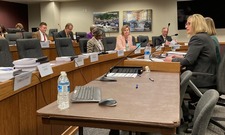
House Budget Committee Reviews DHSS FY 2027 Proposal
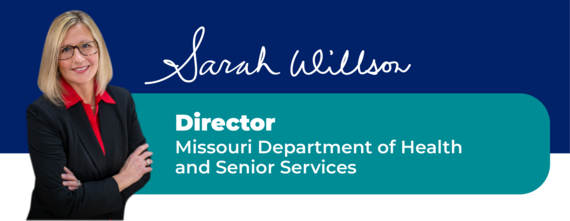
On Feb. 9, the Missouri House Budget Committee held a hearing on the DHSS proposed $2.2 billion budget for fiscal year 2027, which begins July 1. The proposal reflects a $280 million reduction from the current year, with DHSS Director Sarah Willson emphasizing the department’s commitment to maintaining essential services while exercising fiscal responsibility. Approximately 69% of DHSS’s funding comes from federal sources, and 80% of general revenue supports home and community-based services for seniors and individuals with disabilities—programs that serve about 68,000 Missourians monthly.
Willson highlighted Missouri’s low investment in public health—just $7 per person, the lowest in the nation—and stressed the need for future investments to strengthen public health infrastructure, improve rural health access, and address disparities in maternal and child health. Priorities include expanding workforce capacity, modernizing data systems and enhancing emergency response capabilities.
Committee members raised questions about budget lapses, fund transfers between DHSS and the Department of Mental Health, and core reductions affecting programs such as tobacco cessation, local public health, and fetal infant mortality review. DHSS leaders explained that lapses often occur due to strict federal spending requirements, unpredictable needs like disease outbreaks, and delays in launching new programs. The hearing also covered division-specific issues, including nutrition services for seniors, substance use disorder funding, and the growth of cannabis regulation programs.
|

Chief People Officer
We’re excited to welcome Sarah Morrow, JD, SPHR, as our Chief People Officer, effective March 2. She brings more than 20 years of progressive HR leadership, with strengths in employee engagement, talent development, change management, workforce planning and legal compliance.
Sarah Morrow has led HR at MU Health Care and Capital Region Medical Center, guiding enterprise initiatives including cultural transformation, benefits optimization, large-scale integration and centralized operations.
Upon her arrival, please join us in welcoming Sarah Morrow and supporting her work to advance a people‑first, high‑performance culture across the department.
|
2026 Missouri Leadership Academy
I am delighted to announce the DHSS members of the 2026 Missouri Leadership Academy. Classes 16 and 17, like those before them, exemplify the outstanding talent within our state government. The Academy plays a crucial role in developing the next generation of state government leaders. The Academy alumni's impact is clear—they have fostered cross-department collaboration, addressed statewide challenges, and many have advanced to serve as Department Directors.
Congratulations to Sarah Bashore, Heather Davenport, Tracy Klug, Nicole Sinderman and Maddie Starnes!
|
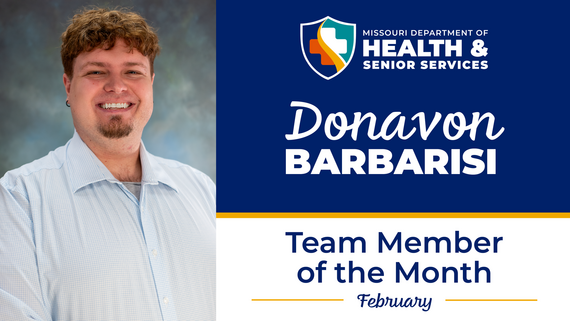 February Team Member of the Month
Donavon Barbarisi has been selected as the Team Member of the Month for February! Donavon is a Public Health Program Specialist in the Division of Community and Public Health.
Donavon is an inspiring thought leader for the entire department. He embodies the qualities of an emerging leader, constantly demonstrating initiative, integrity and a deep commitment to continuous improvement. He made an immediate strategic switch to Microsoft Teams and mastered the platform before teaching the rest of his program staff about more efficient project management. Others within DCPH quickly realized the skill that Donavon was bringing to his work and asked for his expertise as well. His contributions have directly improved the ability to track project outcomes, meet performance goals, maintain accountability and work effectively as a team. Donavon also enthusiastically accepts new opportunities to learn and grow as a leader, currently serving as an Accessibility Champion, ASPIRE Ambassador and Lean Six Sigma team member.
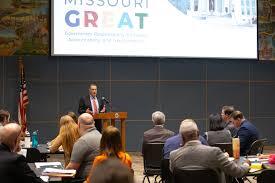
Missouri GREAT
Governor Kehoe's Executive Order 26-03 launched the Missouri Government Responsibility, Efficiency, Accountability, and Transformation (Missouri GREAT) initiative. This as a tremendous opportunity to build on our progress and collectively transform state government to operate at “business speed” and prioritize efficiency, accountability, and fiscal discipline while improving constituent experience.
This initiative is centered on three core goals:
- Promote Efficiency and Accountability: Eliminate outdated practices, burdensome regulations, and duplicative boards and commissions
- Enhance Fiscal Stewardship: Ensure programs deliver measurable impact and sustainable ROI; review expenditures and contracts for alignment with strategic goals
- Improve Constituent Experience: Streamline interactions and incorporate customer feedback to remove systemic bottlenecks
A taskforce was established to lead initiatives across and within departments. It was requested that a senior leader and operational excellence leader from each department participate on the taskforce. Tim VanZandt, Deputy Director, and Brenna Davidson, Operational Excellence Leader, will be representing DHSS on the taskforce.
The department pushed “reset” on this work early in 2025. We initiated the Performance Management Framework Project which aims to establish quality outcome indicators for the work performed by the department as well as around our strategic priorities. While the department was used to measuring and reporting data, the Framework project sought to make measures more meaningful and utilize the AchieveIt platform to track and dashboard our progress. Over 1000 measures from 128 department units have been reviewed and loaded. The finishing touches are being applied and will formally launch in April 2026.
AchieveIt will serve as our quality warehouse streamlining data across programs, units, and strategic priorities. A huge shout-out to Shawnee Duncan, Performance Management Coordinator, and all of the team members across the department who worked collaboratively to improve our metrics and process.
|

Workforce Development
The department’s strategic priorities also include strengthening the health care workforce in Missouri, not just within the department. We are pleased to announce that Pat Simmons assumed the role of Director of Health Care Workforce Transformation on January 12, 2026. Pat will provide cross-division leadership and strategic direction to create a more cohesive and effective department health care workforce strategy. The position also works with other state agencies and community partners to break down silos and improve effectiveness of workforce related initiatives. This position will be integral in setting the strategic direction for the Rural Health Transformation Program workforce initiatives. Congratulations, Pat!
|
KFF Polling on Trust in CDC
A recent poll by KFF found that fewer than half of Americans now say they trust CDC at least “a fair amount” to provide reliable vaccine information – a decline by over 10% since the 2024 elections. Approximately half of the public (and half of parents) reported hearing of at least some of the changes to federal recommendations for childhood vaccines.
The decline is influenced by partisan differences, though the public was at 85% (and Republicans at 90%) prior to the COVID-19 pandemic and there has been a general decline across all populations since that time.
The outcome of the KFF poll aligns well with the Missouri Public Health Institute survey that found only 48% of Missourians said they trust national public health organizations, though 58% said they trust Missouri DHSS and 60% said they trust their local public health department.
It’s interesting that the CDC was the entity encouraging vaccine and trust diminished. Now, physician groups, states (like Missouri), and LPHD are the ones promoting the historical vaccination schedule. With trust already being low, how we communicate changes, if any, will be especially important.
|

Tell Your Story Well...
Developing trust when it comes to public health is heavily dependent on how individuals assess the credibility of health authorities and their recommendations. Understanding the various mental models of trust can help public health officials connect and relay messages in such a way that builds trust. There are various mental models of trust and no one model is the “right” model. As Department Director, my interest in mental models of trust grew when we learned of the results of a 2025 survey conducted by Missouri Public Health Institute relaying there was a reported high level of trust in their local public health department. This finding is similar to the findings in Public Health Communication and Trust: Opportunities for Understanding from March 2025. The report revealed 2 out of 3 Americans reported a moderate to high level of trust in their local public health. However, that same number could not clearly identify what local public health does. This begs the question as to whether there is a trust issue or a presence problem. As we look to strengthen our health care workforce including local public health, we might consider this.
Additionally, how we talk about health recommendations must be considered. We often lead with data and the scientific basis for what is being said. Mental models of trust may influence us to rethink this strategy and reframe our conversations when discussing more traditional health and safety topics with the public, our patients and legislature.
|
|