Missouri Commission for the
Deaf and Hard of Hearing
The Missouri Commission for the Deaf and Hard of Hearing (MCDHH) works with individuals, service providers, businesses, organizations and state agencies to enhance opportunities and quality of life for Missourians with hearing loss. MCDHH provides information and resources in areas such as:
-
Advocacy – Free training is available for law enforcement, first responders and health care professionals on ways to communicate with individuals who are deaf or hard of hearing during emergency and non-emergency situations.
-
Hearing Aid Assistance – Resources to help locate hearing aid assistance and distribution. If you have questions, you can contact the Hearing Program Manager.
-
Communication Access – Information to locate and hire.
-
Deaf Youth Programs – MCDHH has established the Missouri Deaf Youth Leadership (MODYL) Program to offer learning and leadership opportunities for youth who are Deaf/HH/DeafBlind.
Dori Lennemann, Family Partner for Deaf and Hard of Hearing, shared how MCDHH’s 2025 Deaf/Hard of Hearing Family Camp created lasting memories for her family.
“Having deaf mentors are vital to our family. This experience was truly special—not just for our son, but for all of us. We kayaked, hiked, cooked meals and shared stories around the campfire, and most importantly, we spent the weekend connecting, laughing and simply enjoying time together. Our kids are already counting down the days until next year!”
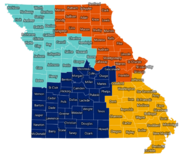
For more information, please visit the Family Partnership webpage. If you have questions or concerns, please contact your Family Partner. Click the thumbnail to select your county and locate contact information. |
|
 |
This project is/was funded in part by the Missouri Department of Health and Senior Services Title V Maternal Child Health Services Block Grant and is/was supported by the Health Resources Services Administration (HRSA) of the U.S. Department of Health and Human Services (HHS) under grant #B04MC52935, Maternal and Child Health Services for $12,742,189, of which $0 is from nongovernmental sources. This information or content and conclusions are those of the author and should not be construed as the official position or policy of, nor should any endorsements be inferred by HRSA, HHS or the U.S. Government.
|