Program Highlights
Comment Corner: State Adolescent Health Leader
Each May, National Adolescent Health Month (NAHM) serves as a valuable opportunity to promote and elevate the strengths, voices and potential of youth. This annual observance emphasizes the importance of meaningful youth engagement while promoting key topics that impact youth well-being. This year’s theme, Taking Action to Advance Adolescent Health, emphasized the need to engage parents, caregivers and trusted adults as partners and ensure they have access to information and tools to support the health and development of youth in their lives. Although NAHM has passed, this theme provides an ongoing reminder of the role we all play in supporting youth across every stage of life. As part of the FFY 2026-2030 MCH State Action Plan, the priorities of Adult Mentor and Transition to Adult Health Care will be addressed in the Adolescent Health domain to build well-coordinated, youth-centered systems of care and services that guide youth through their development and transition into adulthood.
Adolescence is filled with development, change and challenges. Adult mentors, when equipped with the right tools, trainings and support, can play a crucial role in helping adolescents build confidence, foster skill and positive youth development, navigate challenges and systems and feel a sense of belonging. This priority also elevates youth leadership by ensuring youth have a voice in shaping the mentoring experiences and broader public health efforts that matter most to them. Our goal is to strengthen mentoring opportunities, foster cross-sector collaboration and promote authentic youth-adult relationships to enhance adolescent psychological well-being and empower youth with the tools and training to reach their full potential.
The transition to adult health care is a milestone that can greatly influence a young person’s long-term health and well-being. Without early planning and support, youth face increased risks of care gaps, poor outcomes and uncertainty navigating adult systems. This priority focuses on equipping youth with the knowledge, skills and confidence to manage their own care and make informed decisions. Simultaneously, it encourages providers, caregivers and trusted adults to create and promote youth-centered processes that support readiness and continuity of care. While health care is one component, we also recognize the importance of supporting the broader shift into adulthood and aim to foster programs, partnerships and systems that prepare and support youth for a smooth and successful transition into adulthood.
Together, these priorities reflect a shared vision to build responsive, youth-oriented systems that are coordinated and sustainable. By investing in mentorship, supporting the transition to adult health care and addressing the broader needs of youth, we aim to ensure Missouri’s youth have access to the tools, relationships and opportunities needed to thrive, now and into the future.
Comment Corner: MCH Family Leader
Father and partner engagement is increasingly recognized as a vital component of maternal and child health, especially in addressing health disparities and improving family well-being. During the 2025 Mom and Baby Action Network (M-BAN) Virtual Summit, Jesse Davis, MD, David Fakunle, PhD, Chris Lima, Jonathan Webb, Kenn Harris, Charles Johnson and other “dadvocates” shared their lived experience as fathers and the importance of more practices that include fathers in health care systems during pregnancy, childbirth and throughout the child’s lifespan.
Additionally, these individuals have highlighted that traditional maternal health models often exclude or overlook fathers—particularly Black fathers—despite evidence of their critical influence on family health. These “dadvocates” encouraged culturally responsive care models that challenge stereotypes and practices that may prevent partners from being fully engaged in care. When fathers are involved during pregnancy, negative maternal health behaviors are reduced, rates of breastfeeding are increased and the risk of preterm birth, infant mortality and low birth weight is decreased, leading to healthier babies1,2.
Clinics, hospitals and other public health systems should adopt father-friendly policies, such as including fathers in prenatal education and activities, addressing both parents during prenatal visits and ensuring educational materials and signage reflect diverse family structures. Flexible scheduling during prenatal visits, outreach through community organizations and partnerships with fatherhood initiatives can also help engage fathers who may feel excluded or unwelcome in traditional maternal health settings. Staff training on culturally responsive care and family engagement strategies can further normalize father participation. By institutionalizing practices that center both parents, health care systems can play a transformative role in addressing maternal and child health disparities and strengthening family engagement.
1) Alio, A. P., Lewis, C. A., Scarborough, K., Harris, K., & Fiscella, K. (2013). A community perspective on the role of fathers during pregnancy: a qualitative study. BMC pregnancy and childbirth, 13(1), 60.
2) Harris, K. (2025, June 17). The Role of Fathers and Partners in Maternal and Infant Health Equity [Presentation]. The 2025 Mom and Baby Action Network Virtual Summit. Virtual.
MCH Services Program Launches Contract Work Plan Toolkit
The MCH Services Program developed a MCH Services Contract Work Plan Toolkit showcasing activities completed by Local Public Health Agency (LPHA) partners during Federal Fiscal Year (FFY) 2024 (October 1, 2023-September 30, 2024). This toolkit, supported by the Title V MCH Block Grant, provides an opportunity to increase the visibility of LPHA work, grow peer-to-peer sharing and expand knowledge of evidence-based strategies to address MCH priorities.
Missouri’s Annual Maternal Mortality Report Published
The Department of Health and Senior Services (DHSS) has published A Multi Year Look at Maternal Mortality in Missouri: 2018-2022 Annual Report on behalf of the state’s Pregnancy-Associated Mortality Review (PAMR) Board. The PAMR Board is a multidisciplinary board of experts from across the state tasked with examining the causes and contributing factors associated with maternal mortality and ultimately forming recommendations to help prevent future maternal deaths. The report is an aggregate of five years’ worth of work of the PAMR Board and is based upon the most recent data available.
The 2018-2022 report contains data, including the timing and leading causes of pregnancy-related deaths, and factors that contributed to these deaths, such as mental health conditions and substance use disorders. The report also reflects existing disparities in maternal deaths in Missouri and among our most vulnerable populations, including Black and publicly insured communities. Finally, the report includes recommendations from the Board for a variety of stakeholders including lawmakers and health care providers.
Analysis of data and related patient records indicates mental health conditions (including substance use disorders) were the leading underlying cause of pregnancy-related deaths, followed by cardiovascular diseases. An average of 70 Missouri women died while pregnant or within one year of pregnancy each year over five years (2018-2022), with the highest number recorded in 2020 (85 deaths).
Other key findings include the following:
From 2018-2022 (350 deaths total):
- The pregnancy-related mortality ratio (PRMR) was 32.3 deaths per 100,000 live births.
- The PRMR for Black women was 2.5 times the ratio of white women. This is a continued decline from the previous three reports.
- The PAMR Board determined 80% of pregnancy-related deaths were preventable.
- Mental health conditions were the leading underlying cause of pregnancy-related deaths, followed by cardiovascular diseases.
- The PAMR Board determined all pregnancy-related deaths due to mental health conditions, including substance use disorder (SUD), were preventable.
- Women living in micropolitan counties had the highest ratio of pregnancy-related deaths (38.7 per 100,000 live births).
Additional maternal mortality data is available online through the statewide, interactive PAMR Dashboard.
Ask Me 5

The Missouri Perinatal Quality Collaborative launched a statewide initiative called Ask Me 5 to improve maternal health outcomes during pregnancy and the postpartum period. Missouri has one of the highest maternal mortality rates in the country, with the majority of pregnancy-related deaths deemed preventable.
Ask Me 5 seeks to change these outcomes by promoting five essential health questions that build trust, open dialogue and address critical health concerns. These issues are outlined in an easy-to-recall acronym, H.E.A.R.T.
-
High blood pressure/preeclampsia
-
Emotional and mental health
-
Access to health care
-
Recognizing substance use
-
Trauma, abuse and safety
By asking questions designed around H.E.A.R.T., providers can address sensitive topics with patients, provide them with resources and empower them to understand and prioritize their health during pregnancy and the postpartum period.
|
Ongoing Missouri Maternal Health Action Network Updates
The latest updates from the Maternal Health Action Network can be explored on the Weekly Snapshot page, where you’ll find network updates, systems updates, nutrition resources, resource highlights, program highlights, upcoming training and development opportunities and ways to submit system updates and organizational news. Contact Danielle Chiang, PhD, Principal Investigator, at mo_actionnetwork@umkc.edu with any questions about the action network.
 Program Spotlight
Perinatal Hepatitis B Prevention Program
Hepatitis B is the most common severe liver infection in the world. It is caused by the hepatitis B virus (HBV), which attacks and injures the liver. HBV is transmitted through blood and infected bodily fluids. It can also be passed from an infected woman to her newborn during pregnancy or childbirth (perinatal HBV). Hepatitis B is a “silent epidemic” because most people do not have symptoms when they are newly or chronically infected.
HBV infection in a pregnant woman poses a serious risk to her infant at birth. Without post-exposure prophylaxis (PEP), approximately 40 percent of infants born to HBV-infected mothers will become infected with HBV. One-fourth of these infected infants will die from chronic liver disease, such as cirrhosis or liver cancer.
The Perinatal Hepatitis B Prevention Program (PHBPP) within DHSS’ Bureau of Genetics and Healthy Childhood is grant-funded through the Centers for Disease Control and Prevention (CDC) National Center for Immunization and Respiratory Diseases. The program works to prevent transmission of HBV infection from the mother to the baby by conducting parent and health care provider education, identifying all pregnant women with HBV, providing case management and ensuring appropriate care for mothers and infants, including timely administration of hepatitis B vaccine and hepatitis B immune globulin (HBIG) at birth, completion of the hepatitis B vaccine series and coordination and completion of Post Vaccination Serology Testing (PVST). PVST consists of Hepatitis B Surface Antigen (HBsAg) and Hepatitis B Surface Antibody (HBsAb) lab tests to confirm immunity or progression to disease state.
How does the PHBPP Program support the maternal-child population?
The PHBPP supports the MCH population by promoting timely HBV testing during every pregnancy to ensure every infant born to a HBV-positive mother is identified and receives PEP within 12 hours of birth, along with the full scope of follow-up care. The PHBPP also promotes the importance of administering a birth dose of the hepatitis B vaccine to all medically stable newborns within 24 hours of birth.
LPHAs and contractors engage directly with the MCH population, including families and communities, and spend time within the community attending health fairs, working with refugee programs and presenting information to local providers and employers. The PHBPP equips them with resources to educate individuals diagnosed with HBV and help them understand the disease, the associated risks associated and ways to prevent the spread of hepatitis infection.
Please share any challenges you have encountered in your work with the PHBPP.
The PHBPP faces a few challenges. One is tracking families to ensure infants complete their hepatitis B vaccine series. Another is ensuring infants who have completed their series also receive PVST. While providers may order the testing, many parents do not take their infants in to get their blood drawn. Since many providers no longer draw blood in their offices, parents must go to a different area of the clinic or a separate location entirely. This creates barriers for some parents and results in a reduced number of infants whose blood samples are obtained. The last challenge is buy-in from pediatric providers, as many do not understand the protocol that should be followed. This includes the specific timeframes for hepatitis B vaccination, why the infants need PVST and what two lab tests comprise PVST for verification of immunity or progression to disease state.
Please share a PHBPP success story.
The PHBPP recently partnered with the Managed Care Health Plans (Healthy Blue, Home State Health and United HealthCare) through MO HealthNet to verify pregnancies submitted through the MO HealthNet Notification of Pregnancy (NOP) and Risk Screening Portal. If a client is indicated as high risk when the prenatal case managers are completing their medical backgrounds, and if the client is identified as having HBV, the PHBPP is notified. The benefit from this partnership will be twofold: possible missed cases may be found, and prenatal case managers will work with the providers to test for viral load during the third trimester and treat with antivirals as indicated. Treatment with antivirals during the third trimester, when needed, lowers the risk of transmission from the mother to the baby during pregnancy, childbirth or breastfeeding.
With whom do you partner with to implement the activities/goals of the PHBPP and improve MCH?
The PHBPP partners with all LPHAs and contracts specifically with the Kansas City Health Department, the St. Louis City Health Department and the St. Louis County Health Department. These contracted counties have the largest populations in the state and a larger volume of clients, conduct home visits with clients and engage providers and hospitals to provide education and resources.
What does the PHBPP hope to accomplish within the next few years?
With the recent addition of the NOP Portal and the partnership with the Managed Care Health Plans, the Program aims to increase the number of women and infants participating in case management. In addition to fulfilling vaccine requirements for infants, the Program also seeks to increase the number of infants who complete PVST.
 News of Note
Missouri DHSS Names New Chief Dental Consultant
DHSS announced Megan Krohn, DDS, as the new Chief Dental Consultant, effective June 16th. Under the direction of Sarah Willson, DHSS Director, Krohn will develop and oversee core public health activities aimed at improving oral health in Missouri. “We are pleased to welcome Dr. Krohn as Chief Dental Consultant and part of the DHSS team,” said Willson. “Dr. Krohn will work with professional organizations, education leaders, public health officials and other stakeholders to bring oral health to the forefront of public health and how it impacts the overall health of Missourians.”
Dr. Krohn brings 9 years of experience in the dental industry, most recently serving as the Executive Vice President of Dental Services at Swope Health, one of Missouri’s largest Federally Qualified Health Centers. There, Dr. Krohn increased access to patient care through clinic expansions, mobile dental care and the development of innovative practices such as integrated care models. She graduated from UMKC School of Dentistry in 2016 with oral surgery honors.
Dr.Krohn’s position is located within the Office of Dental Health, which has secured five grants over the past five years to strengthen Missourians’ oral health and the oral health workforce. These grants assisted the state in being one of the first to bring teledentistry to schools, increase the use of fluoride varnish, provide dental services to veterans and long-term care facility residents and explore solutions to the oral health provider workforce shortage. The Office also oversaw the first-ever screening survey among individuals with intellectual and developmental disabilities, giving clarity to the oral health needs of the population. The Office additionally provides free fluoride varnish, oral care supplies, oral health education and oral health reviews to tens of thousands of school-aged children each year through the Preventive Services Program (PSP). Children participating in the PSP have seen a 4% decrease in cavities.
New Missouri Tobacco Quit Services Resources
DHSS announced the addition of new services and resources available to help Missourians quit using any form of commercial tobacco or nicotine products. Tobacco use remains the leading cause of preventable deaths in Missouri. Missouri has one of the highest smoking rates in the nation, and over half of Missourians who smoke try to quit each year.
Free and confidential telephone and web-based tobacco cessation services are available 24/7 to Missourians ages 13 and older. Additional support is available for pregnant and postpartum women, individuals with behavioral health conditions, American Indians, young adults and adolescents (ages 13-17). Pregnancy and postpartum participants, as well as adolescent participants, can earn incentives along their quit journey. Educational resources specific to these services are free to order online.
Individuals can enroll in Missouri Tobacco Quit Services (MTQS) by visiting YouCanQuit.org, calling 1-800-QUIT-NOW (784-8669) or by chatting with a coach. Referrals to MTQS can be made through an online referral form or by faxing the referral forms to 1-800-261-6259. Health care organizations can use the contact form to learn more about implementing an eReferral system into their existing Electronic Health Record (EHR) or Electronic Medical Record (EMR). Both HIPAA-covered and non-HIPAA-covered entities, including community-based organizations, can refer individuals to MTQS. For additional information regarding MTQS and available resources, contact the DHSS Tobacco Prevention and Control Program at motobaccoprogram@health.mo.gov or (573) 522-5029.
MO HealthNet Notification of Pregnancy and Risk Assessment Portal
As of November 1, 2024, MO HealthNet enrolled providers (including Fee-For-Service (FFS) and Managed Care (MC) Health Plan providers) who provide obstetric care/services, primary care and emergency care can submit a participant’s NOP and Risk Screening in one easy step through the new NOP and Risk Screening Portal. This new NOP and Risk Screening process is intended to not only notify the MO HealthNet Division and the appropriate MC Health Plan of the participant’s pregnancy, but also of the participant’s non-clinical risk factors to ensure support is provided to participants as early as possible. The NOP and Risk Screening Portal should be completed for all initial encounters during which the pregnancy is diagnosed and/or confirmed — including provider offices, LPHAs and emergency departments. Additionally, several new resources for the NOP and Risk Screening process, including a short informational video, PowerPoint presentation and FAQs webpage, are now available online. For any questions about the new portal process, as well as billing and reimbursement, please click here or contact MHD.NOP@dss.mo.gov.
Callaway County WIC Champions Breastfeeding-Friendly Businesses
Callaway County Health Department has been working diligently to make breastfeeding families more comfortable in their community. In just two months, Callaway County WIC inspired six different businesses to take the Breastfeeding Welcome Here pledge! The Breastfeeding Welcome Here Toolkit is a resource for local advocates looking to engage businesses and public spaces in creating welcoming environments for breastfeeding families. Facilities that choose to take an active role in creating communities supportive of breastfeeding may follow the guidelines of the toolkit and complete the Breastfeeding Welcome Here Pledge. Those who do so will receive a certificate, window cling and recognition on the DHSS website. Learn more about the Breastfeeding Welcome Here initiative here.
Vaccines for Children Program – Information for Providers
The Vaccines for Children (VFC) Program, funded by the CDC, is designed to help protect all children against vaccine-preventable diseases by providing free vaccines to children who qualify. Unfortunately, many children are not vaccinated because their parents either do not have health insurance or their health insurance does not cover vaccines. All vaccines recommended by the Advisory Committee on Immunization Practices and approved by the CDC and the Department of Health and Human Services are provided, at no cost, to participating medical providers.
There is no charge to medical providers to participate in the program, and any medical provider authorized to prescribe vaccines in Missouri may become a Vaccines for Children provider. While vaccines are provided free of charge, administrative fees may be charged to patients to cover the cost of vaccine administration.
Children are eligible to receive free vaccines before their 19th birthday if they:
- are Medicaid-eligible;
- do not have health insurance;
- are an American Indian or Alaskan Native; or
- are underinsured.
Underinsured children must receive VFC vaccines at a deputized LPHA or a Federally Qualified Health Center or Rural Health Clinic. A child is considered underinsured if they have health insurance, but the plan does not provide vaccine coverage, does not cover certain vaccines or covers vaccines but has a fixed dollar limit or cap for vaccines, in which the patient is eligible once the limit or cap is reached. Underinsured does not include those with an unmet deductible or who are unable to pay the deductible. Follow these links to learn more about the VFC Program and becoming a VFC provider.
It’s Okay to Not Be Okay: New CDC Youth Focused Substance Use Prevention Campaign

The CDC's Division of Overdose Prevention launched Free Mind, an exciting new campaign designed to help connect young people to resources on mental health, substance use and overdose prevention. Grounded in research and built with teens in mind, Free Mind delivers powerful tools to educate youth on the impact of drug use and promote open conversations with their parents and caregivers about mental health.
Recognizing that substance use can co-occur with mental health problems like anxiety and depression, it is essential to provide youth with the tools to navigate these challenges. From shareable fact sheets to educational web content, video PSAs, social media graphics and an interactive graphic novel experience, the campaign offers a fresh, youth-friendly approach to help them cope and find healthy alternatives to substance use. A conversation-starting card game is also coming soon.
Encouraging youth to talk about mental health and substance use can help more young people seek the support they need and prevent overdose deaths. By helping youth feel seen, supported and empowered to speak up, we can make a real difference.
|
Funding Opportunity: Maternal Peer-Based Recovery Support Program
Notice of Grant Opportunity (NGO) 2601
BID DUE DATE: September 15, 2025
Issue Date: August 8, 2025
The Missouri Department of Health and Senior Services, Division of Administration (Department), is issuing a NGO, Maternal Peer-Based Recovery Support Program, for the provision of implementing or expanding peer-based recovery support for the maternal population to reduce substance misuse and substance use disorder within Missouri, improve maternal behavioral health outcomes (specifically substance use disorder or co-occurring substance use and mental health disorders), and reduce deaths during pregnancy and in the year after birth.
This funding cycle will be Notice of Award through June 30, 2026.
If you are interested in submitting a competitive application to provide the needed services for the Department, you may obtain a copy of the NGO document from the Department’s website at: https://health.mo.gov/living/wellness/substance-use/index.php
The NGO 2601 document will be listed on the website at https://health.mo.gov/living/wellness/substance-use/funding-opportunities.php. After downloading the entire document, it will also be necessary for you to check the website location periodically until the time of bid closing to obtain amendments to the NGO that may be issued later.
In the event you are unable to download the NGO document from the Internet or have questions regarding the NGO, please contact Nathan Ridenhour at Nathan.Ridenhour@health.mo.gov or by phone at 573-751-6026.
 Save the Date
2025 CityMatCH MCH Leadership Conference
September 15-17, 2025 | In-person | St. Louis, MO
The 2025 CityMatCH Maternal and Child Health Leadership Conference is tailored for health departments, professionals and epidemiologists interested in maternal-child health, public health and leadership. Attendees can expect a conference that provides opportunities for learning, networking and collaboration. Additional information can be found here.
2025 Optimizing Benefits for Maternal and Infant Health Meetings
September 16th, 2025 | In-person | Cape Girardeau, MO
October 22nd, 2025 | In-person | Joplin, MO
All MO HealthNet providers and community partners are invited to join the MO HealthNet Division, our Managed Care health plans, Show-Me ECHO and the Office of Oral Health for a unique in-person networking opportunity. Attendees will learn about valuable benefits, incentives and resources available to pregnant women and their families, including individualized case management, Doula coverage, Non-Emergency Medical Transportation and more. Click here to learn more and register.
Joint Public Health Conference
September 23-25, 2025 | In-person | Columbia, MO
The Joint Public Health Conference, hosted by the Missouri Public Health Association, Section for Public Health Nursing, DHSS, Missouri Center for Public Health Excellence and Missouri Institute for Community Health, centers on this year’s theme: It Starts Here: Investing in Public Health. Registration and additional information can be found here.
Missouri Maternal Health Action Network 3rd Annual Summit
September 26th, 2025 | In-person | Maryland Heights, MO
Join the Missouri Maternal Health Action Network for the 3rd Annual Action Network Summit. This year’s theme, ‘Bridging the Gaps: Policy, Advocacy, and Prevention for Maternal Mental Health and Substance Use Disorders’, will center on maternal mental health and substance use disorders, with a focus on policy change, advocacy and prevention. The Summit aims to highlight the voices of those with lived experiences, facilitate insightful discussion, share groundbreaking ideas, create networking opportunities and foster cross-system collaboration to drive systems change and improve behavioral health outcomes for mothers, children and families affected by perinatal substance use. Click here to learn more and register.
2025 Missouri Perinatal Quality Collaborative (MO PQC) Maternal and Infant Symposium
October 28-30, 2025 | In-person | Blue Springs, MO
The MO PQC Maternal and Infant Symposium seeks to engage clinical and community care providers and leaders, quality professionals and executive leaders invested in maternal-infant health, patients and families, provider association staff and policy and reimbursement leaders to present their patient quality and workforce improvement work, engage in networking activities to support rapid spread and scale of effective interventions and care models and support skill building for clinical providers and teams. If you desire to learn from the those leading this work, share your innovative strategies with others, strengthen your skills and capacity as a provider and be part of the growing Missouri movement to achieve the mission of the MO PQC – Healthy Moms, Healthy Babies, Healthy Missouri – then this is an event not to be missed! Learn more and register here.
2025 Governmental Public Health Summit
December 9-10, 2025 | In-person | Camdenton, MO
The 2025 Governmental Public Health Summit is a two-day gathering designed to strengthen our state’s public health infrastructure through shared learning, meaningful connections and forward-thinking strategy. The Summit brings together Missouri’s LPHAs, state partners and public health champions to explore what’s working, what’s next and how we get there—together. This event centers on focused conversations that drive strategic, actionable change, local solutions that meet Missouri’s unique needs and partnered approaches that unite systems and stakeholders. To learn more, click here.
 MCH Resources and Tools
MO PQC Interactive Birthing Hospital Map
Visit the MO PQC’s website to explore the interactive Missouri Birthing Hospital Map. The map can be used to find the nearest birthing-friendly hospitals and see which ones are participating in the MO PQC’s quality improvement initiatives, including severe hypertension, obstetric hemorrhage, substance use disorder, perinatal mental health conditions and cardiac conditions in obstetric care.
AIM: For Safer Birth Podcast
Join Alliance for Innovation on Maternal Health (AIM) as they dive deeper into the rising severe maternal morbidity and maternal mortality rates in the United States through a data-driven, quality improvement lens. Each episode will foster discussion with those committed to improving maternal health outcomes and saving lives. You can catch up on previous podcast episodes here.
AMCHP: MCH Bridges Podcast
MCH Bridges is designed to help listeners create new connections to MCH leaders and organizations to inspire and guide listeners toward actions that will improve the systems that impact MCH populations. You can catch up on previous episodes of the Podcast here.
Mental Health Hotlines
 |
|
National Maternal Mental Health Hotline: 1-833-TLC-MAMA (1-833-852-6262)
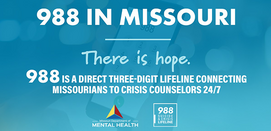
988 Suicide & Crisis Lifeline: 988
|
|