|
Population
growth threatens native species, but everyone can help prevent it.
CAPE GIRARDEAU,
Mo. –
Researchers with the Missouri Department of Conservation (MDC) report the first
documented evidence of invasive black carp reproduction in the wild in North
America. This means big problems for native river species, according to MDC
Resource Scientist Quinton Phelps.
“The finding of
reproductive-capable black carp means their population will expand possibly
unchecked,” Phelps said.
The finding
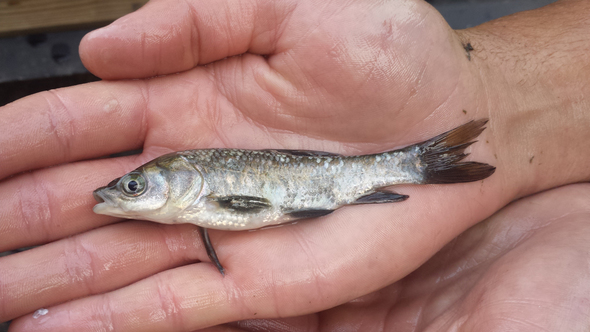
resulted after two small unidentified carp were collected in a ditch directly
connected to the Mississippi River near Cape Girardeau in November. After
genetic analysis, they were determined to be juvenile black carp and were also tested to determine
their reproductive capability. Both juvenile black carp were found to be capable of reproduction.
Scientists are able to determine future reproductive capability of juvenile
fish through chromosome analysis.
Black carp are
just one species of invasive Asian carp that are found in many rivers in
Missouri. They originally arrived in the United States mistakenly in shipments
of grass carp and were introduced into farm ponds first for control of
parasites, then as a food fish. When they were
introduced, regulations specified they be altered so they could not reproduce. Due
to flooding, and cases of accidental release in bait buckets, they’ve spread in
recent decades and thrive in many rivers.
This newly
confirmed information about their reproductive capability suggests there are
likely more adults present in the river than biologists originally anticipated,
Phelps said, which is a big problem. Invasive
species in Missouri can be detrimental to the survival of native species. For
example, Asian carp compete with native fish species for food sources. They’re
voracious eaters of native mussels, which are a vital species to the health of
river habitat.
“Given that
many of our mussel populations in the state are currently in jeopardy,
additional consumption by black carp could drastically reduce their numbers,”
Phelps said.
Nearly two-thirds of the 65 species of mussels
found in Missouri are of conservation concern. These freshwater mussels are
filter feeders, meaning they clean impurities from the water. They provide food
for native muskrats, raccoons, river otters, some birds, and many native fish
species. Through their gills, mussels filter out small particles from the water
and transform them into food for fish and other animals.
Black carp consumption of native mussels and
competition with native species could lead to an overall poor water quality system,
directly affecting humans as well as native fish.
Although this news paints a discouraging
picture, Phelps said it doesn’t mean the fight is over against black carp.
Instead, he said everyone can get involved in reducing their spread by avoiding
accidentally introducing the species into new bodies of water when they dump
bait, ensuring stocked fish come from licensed vendors, and sharing information
about these practices with others.
Black carp sightings should be reported to the
MDC, either by contacting a fisheries biologist at the Southeast Regional
Office at (573)290-5730, or by contacting Phelps and his colleagues at the Big
Rivers and Wetlands Field Station in Jackson at (573)243-2659. For general
information about black carp, go online to http://mdc.mo.gov/node/10336.
|