|
|
This January, we are highlighting the vital role that safe and healthy housing plays in supporting overall health and well-being. A healthy home serves as the foundation where families can grow, learn, and thrive, underscoring the importance of creating environments free from hazards that can harm health.
In Minnesota, 2 in 5 homes have elevated radon levels, posing a significant health risk. Radon is an odorless, colorless gas that can seep into homes and is the second leading cause of lung cancer in the United States. Alongside radon, other common but serious threats such as carbon monoxide and mold can compromise the safety of living spaces, leading to respiratory illnesses, allergic reactions, and even long-term complications.
Addressing these issues is essential to protecting individuals and families from preventable health risks. Testing for radon, installing carbon monoxide detectors, and addressing moisture problems to prevent mold are critical steps in making homes safer and healthier.
To learn more about radon, click the buttons below to visit our website or watch the latest HealthTalk episode where we interviewed Dan Tranter, Indoor Air Unit Supervisor for the Minnesota Department of Health.
|
|
Take Action Against Radon
Radon is a colorless, odorless gas that originates from the soil and can accumulate inside homes. When radon gas decays, it produces fine radioactive particles. Inhaling these particles over time can damage the lungs and significantly increase the risk of lung cancer. In Minnesota, 2 in 5 homes have high radon levels. Because Minnesota homes are often closed up or heated for much of the year, radon levels can become even higher.
Testing your home is the first step to ensuring safety. Steele County Public Health offers free radon test kits to help residents take action. Start with a short-term test, which measures radon levels over 2 to 7 days. If your test results show levels between 0 and 1.9 pCi/L, it’s recommended to retest every 2 to 5 years. For levels between 2 and 3.9 pCi/L, consider consulting a professional about installing a radon mitigation system. If levels reach 4 pCi/L or higher, installing a mitigation system is strongly recommended.
To learn more about radon, testing, and mitigation, click the button below or visit the Minnesota Department of Health’s website.
|
Understanding Mold and Carbon Monoxide
Mold can be a hidden danger in many homes, posing significant health risks if left unaddressed. Exposure to mold can lead to respiratory issues, allergies, skin irritation, and even more severe health problems for individuals with compromised immune systems or pre-existing conditions. Mold thrives in damp, humid environments, making areas like bathrooms, basements, and kitchens particularly vulnerable. The Minnesota Department of Health does not recommend mold testing because any mold growing inside is a problem—it does not matter what specific type of mold is present. To ensure mold safety, it’s essential to promptly address water leaks, maintain proper ventilation, and clean and dry wet areas within 24–48 hours. If mold is discovered, it’s crucial to take action quickly, using appropriate cleaning methods or seeking professional remediation for larger infestations. Protecting your home from mold not only improves indoor air quality but also creates a healthier, safer environment for you and your family.
For more information on mold, visit the Minnesota Department of Health's website.
Carbon monoxide (CO) is an invisible, odorless gas that can be deadly if undetected, making it one of the most dangerous hazards in a home. It is produced by burning fuel in appliances like dryers, furnaces, stoves, water heaters, and fireplaces. Exposure to high levels of CO can cause symptoms like headaches, dizziness, nausea, confusion. To ensure safety, install CO detectors on every level of your home and test them regularly. Never use outdoor equipment, like grills or generators, indoors or in enclosed spaces. Properly maintaining fuel-burning appliances and ensuring adequate ventilation are also key to preventing carbon monoxide buildup.
For more information on carbon monoxide, visit the Minnesota Department of Health's website.
|
|
Pertussis Cases are on the Rise
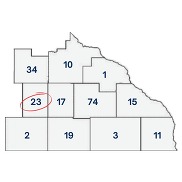
As of December 31st, 2024, Steele County has reported 23 cases of pertussis, also known as whooping cough, making it one of the top counties with the highest rate in the Southeast Region of Minnesota. Pertussis is highly contagious and spreads through the air via droplets from coughing or sneezing. With cases on the rise, it’s more important than ever to ensure your child is up-to-date on their vaccinations and that adolescents and adults receive the necessary booster shots. Vaccination is the most effective way to protect yourself, your family, and our community from this preventable disease. If your child has not yet been vaccinated for pertussis, Steele County Public Health offers the vaccine on Monday afternoons and Friday mornings. Protect your family—schedule an appointment today and help keep our community safe.
|
Protect Yourself and Others: The Importance of Handwashing
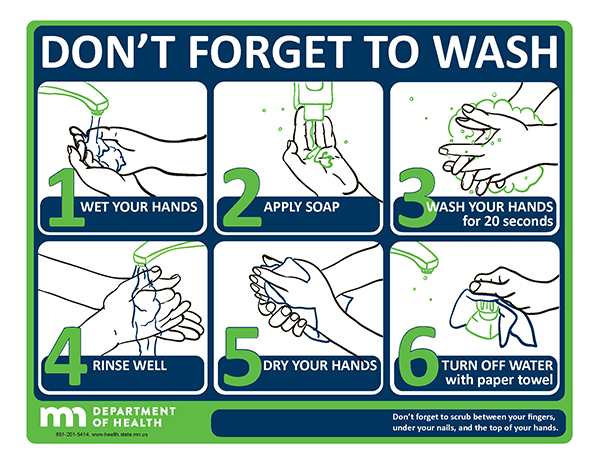
With Norovirus cases on the rise in Minnesota, it’s more important than ever to practice proper hand hygiene to protect yourself and those around you. Washing your hands thoroughly with soap and water is one of the most effective ways to prevent the spread of this highly contagious virus. Be sure to wash your hands after using the bathroom, before and after eating, after coughing or sneezing, after playing with animals, and any time your hands might be contaminated. Follow these steps for effective handwashing: wet your hands with clean water, apply soap, lather for at least 20 seconds (don’t forget under your nails and between your fingers), rinse thoroughly, and dry with a clean towel. Keep in mind that hand sanitizer is not effective against norovirus; if soap and water are not immediately available, use a hand sanitizer with at least 60% alcohol as a temporary measure until you can wash properly.
For more information on the Norovirus, please refer to the Minnesota Department of Health's website.
|
|
 Community Conversation: The Anxious Generation
Join the conversation on the impact of social media on youth mental health. Over three engaging sessions, you will explore The Anxious Generation by Jonathan Haidt, a compelling book that delves into the effects of the virtual world on today’s youth. Each session offers food and child care, ensuring a welcoming environment for all attendees. This is your chance to contribute to meaningful change in our community, helping our youth navigate the digital age safely and confidently. Register using the link below, and if you need a copy of the book, it’s available for pickup at the designated locations listed on the link.
|
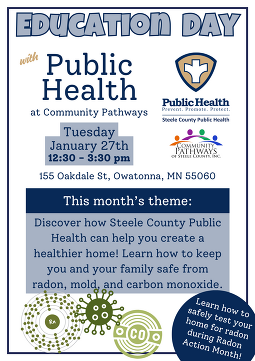 Education Day with Public Health Community Pathways
This month, discover the environmental services offered by Steele County Public Health! Whether it’s raising awareness about radon, addressing mold concerns, understanding carbon monoxide safety, or testing your well water, we’re here to help you protect your home and loved ones. Learn how to test for radon, understand safe versus unsafe levels, safely remove mold, test your well water, and safeguard your family from the dangers of high carbon monoxide exposure.
|
|
|
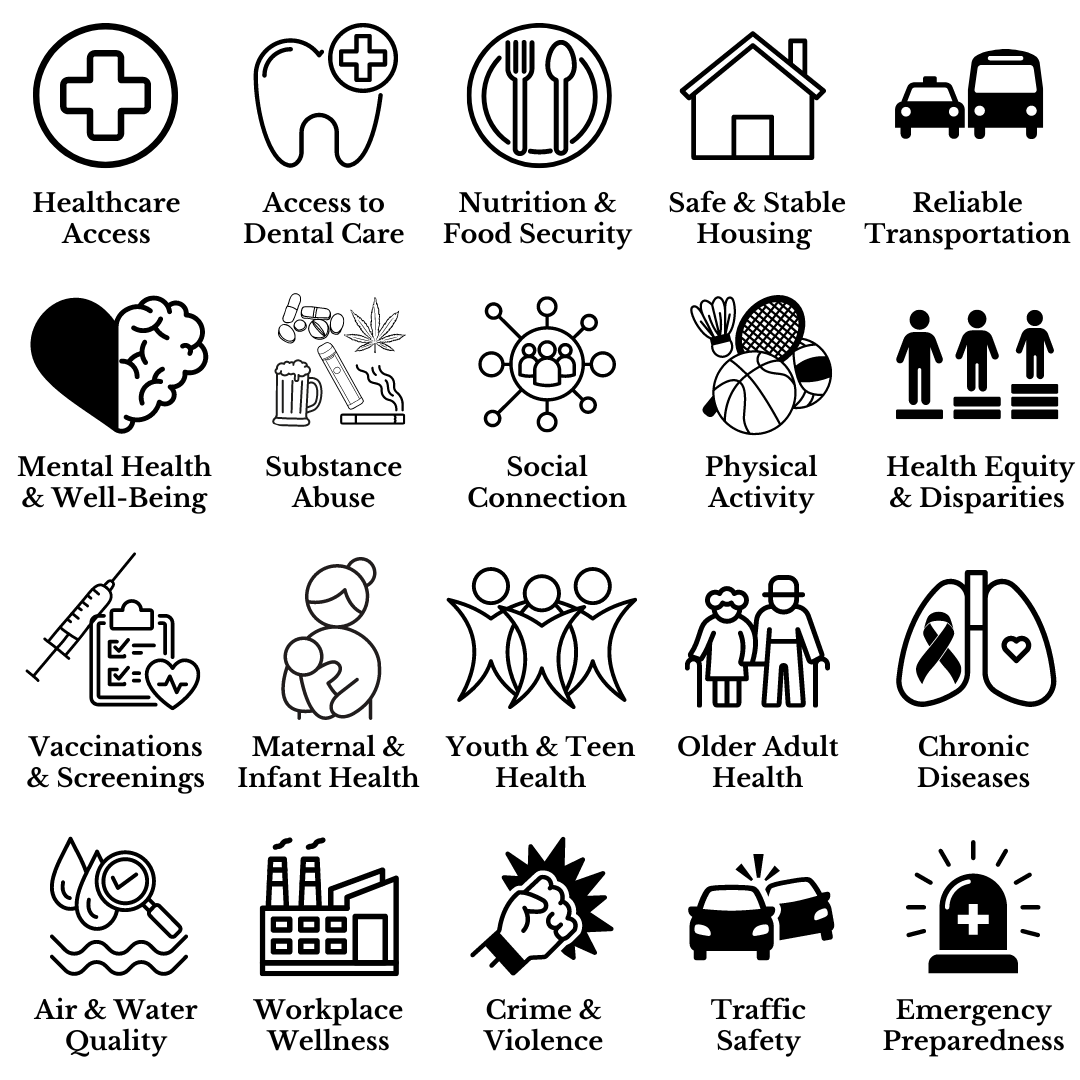
Help Steele County Public Health define our community’s top health priorities by choosing the 5 issues you believe are most important for us to address by clicking the button below! This is a unique opportunity to help shape the future of health and wellness in our community. Your input will directly influence the programs and services we prioritize, ensuring they meet the needs and concerns of those we serve.
|
|
Steele County Public Health (SCPH) is dedicated to preventing disease, promoting wellness, and protecting the health of Steele County residents through a variety of services such as family health programs, immunization clinics, and home health care. SCPH also provides resources for radon and water testing, health education, and emergency preparedness to realize its vision of Healthy People in Healthy Communities. |
|
|
|
|